
1. Q: What Is the Taoist “Bai Dou” Ritual?
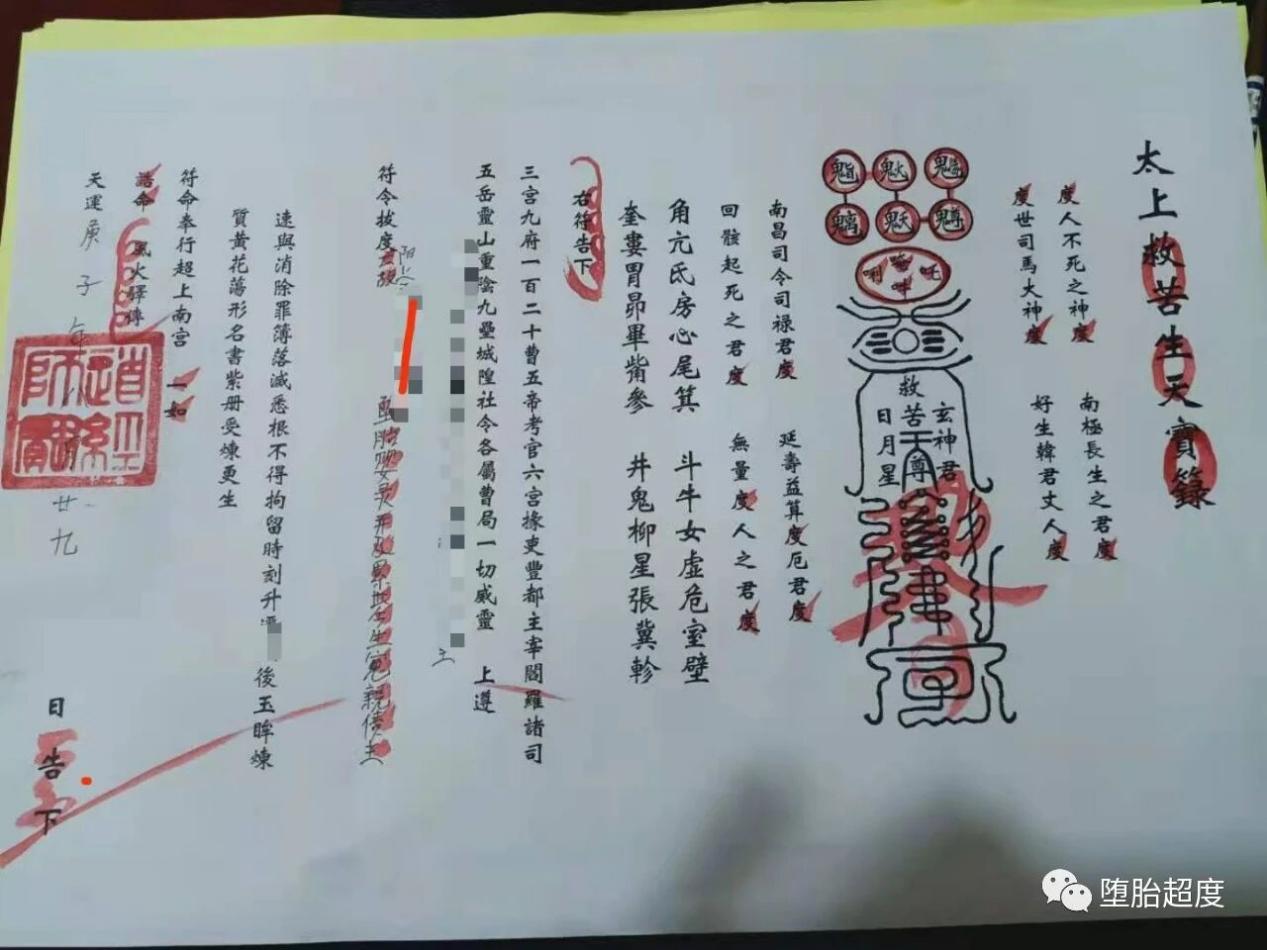
A: “Bai Dou” (worshipping the Dipper) is a liturgy unique to Taoism, performed to dispel calamity and resolve misfortune for people and for praying for blessings and prolonged life. Its proper name is “Chaoyuan Lidou” (paying court to the Origin and worshipping the Dipper).
2. Q: Which Tradition Does “Bai Dou” Belong To?
A: “Bai Dou” is a liturgy unique to Taoism. As the saying goes, “Buddhists do not worship the Dipper, and Taoists do not perform the ‘Flaming Mouth’ (yankou) rite.” Other religions have no Dipper worship liturgy at all.
3. Q: What Are the Historical Origins of “Bai Dou”?
A: Dipper worship has very ancient origins. It was first established by the Celestial Master Zhang Daoling of the Han dynasty. According to the Scripture of the Northern Dipper: “On the seventh day of the first lunar month in the first year of the Yonghan era, Lord Lao the Most High (Taishang Laojun) ascended the Jade Bureau seat and conferred on Celestial Master Zhang the ‘Secret Formula of the Northern Dipper for Prolonging Life.’” The Northern Dipper is the “Tianshu” (Celestial Pivot) star; the Tianshu star governs the gods and rules over human lifespan, wealth, and rank.
4. Q: What Is the Relationship Between the Dipper and Human Beings?
A: Taoism holds that the source and the final destination of human life and death, and of the hun and po souls, both lie in the “Dipper Palace.” Thus the first month of pregnancy is called the “womb,” the second month the “embryo,” the third month the “hun soul,” and the fourth month the “po soul”—all owing to the Dipper Pole's work of firing the hun soul and casting the po soul. After death, too, a person returns to the Northern Dipper. For this reason the ancients likened a person cultivating the Tao “ascending as a feathered immortal” to “a star sinking into the Northern Dipper.” The “Dipper” is a person's own natal star (benming yuanchen).
5. Q: Why Take Part in “Bai Dou”?
A: Taking part in Dipper worship means paying homage to one's own natal star. It can make the natal star shine more brightly, drive away calamity and draw in blessings, and bring prayers for peace and safety.
6. Q: What Do the “Seven Stars of the Northern Dipper” or the “Nine Stars of the Northern Dipper” Refer To?
A: The Northern Dipper has nine stars in all, called the “Nine Stars of the Northern Dipper.” Seven of them are clearly visible and the other two are hidden, which is why it is also called the “Seven Stars of the Northern Dipper.” Each Star Lord corresponds to particular zodiac signs:
1. The Tanlang (Greedy Wolf) star (people born in the year of the Rat);
2. The Jumen (Great Gate) star (people born in the year of the Ox or the Pig);
3. The Lucun (Emolument Keeper) star (people born in the year of the Tiger or the Dog);
4. The Wenqu (Literary Melody) star (people born in the year of the Rabbit or the Rooster);
5. The Lianzhen (Pure Chastity) star (people born in the year of the Dragon or the Monkey);
6. The Wuqu (Martial Melody) star (people born in the year of the Snake or the Goat);
7. The Pojun (Army Breaker) star (people born in the year of the Horse);
The two hidden stars are the “Fu” (Assistant) star and the “Bi” (Helper) star.
7. Q: What Do the Ritual Implements in the Dipper Signify?
A:
(1) The dou (grain measure)—represents the universe (heaven is round and earth is square, so the dou, representing heaven, is made round).
(2) Rice—represents the myriad stars (the universe is filled with countless stars).
(3) The ruler—represents the Azure Dragon (belonging to Wood, positioned in the east; traditional rulers were made of green bamboo).
(4) The steelyard—represents the White Tiger (belonging to Metal, positioned in the west; its scale markings look like a tiger's tail).
(5) Scissors—represent the Vermilion Bird (belonging to Fire, positioned in the south; shaped like a bird's beak).
(6) The mirror—represents the Dark Warrior, or Black Tortoise (belonging to Water, positioned in the north; its form is like a tortoise and snake joined in one body).
The ruler, steelyard, scissors, and mirror above represent the four spirits of heaven (the Azure Dragon on the left, the White Tiger on the right, the Vermilion Bird in front, and the Black Tortoise behind).
(7) Chopsticks—wound with red silk thread—symbolize the myriad stars winding along their courses.
(8) The five seeds inside the dou—symbolize “five sons passing the imperial examinations.”
8. Q: When Can “Bai Dou” Be Held?
A:
(1) On the joyous occasion of the principal deity's sacred birthday.
(2) When celebrations or festivities are held, or during fasts and offerings (zhaijiao).
(3) On every new moon and full moon (the first and fifteenth days of the lunar month), when the Dipper is worshipped on schedule; this is also called the “Monthly Dipper.”
(4) From the first to the ninth day of the ninth month of the lunar calendar, which joyously coincide with the descent of the Star Lords of the Southern Dipper and the Northern Dipper and with the sacred birthday of the Heavenly Worthy Yuanming Daomu (the Dipper Mother).
9. Q: What Is the “Bai Dou” Liturgy Like?
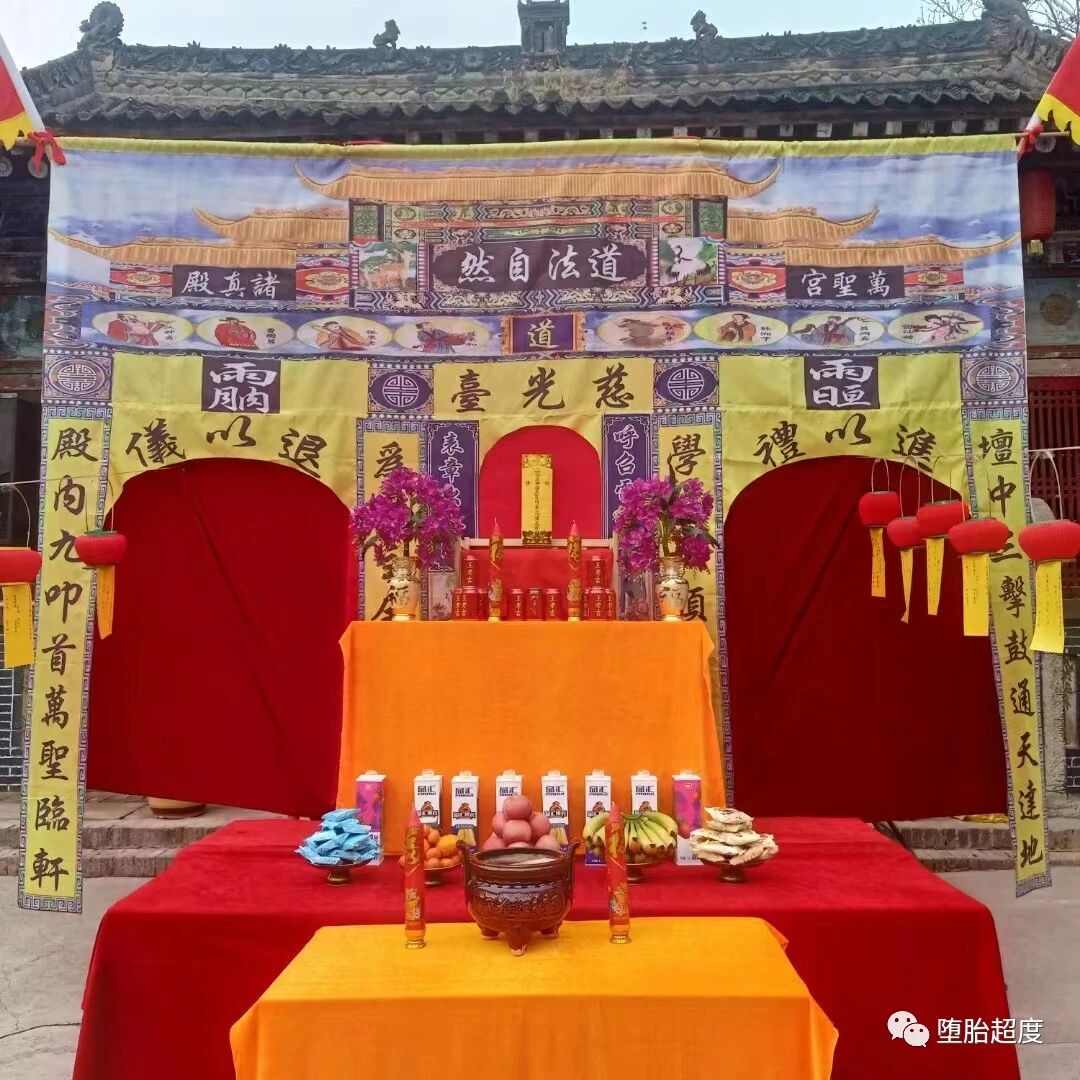
A: “Bai Dou” is an extremely sacred and profound ceremony. A high priest (gaogong) must be invited to preside and perform the rites. The common expression “pacing the stars of the Dipper” is in fact a metaphor for “Bai Dou.” This is no simple liturgy.
10. Q: How Does One Take Part in “Bai Dou”?
A: First, register the names of all family members and the BaZi (Four Pillars of Destiny) birth data of the “Dipper head” (the principal petitioner) with the host temple, so that the petition can be written. It is used when the petition is presented. During the Dipper worship, keep the fast and bathe, devoutly prepare fresh flowers and five kinds of fruit, go to the temple to pay homage, and put into practice the Five Admonitions for Taoists.
Do many good deeds and sow widely in the field of blessings, and you will surely receive divine protection.