
Chiyang Daoren, Eastern Taoism
Taoist culture is indigenous to China and an important part of traditional Chinese culture. Taoism takes the Huang-Lao learning of the Yellow Emperor and Laozi as its theoretical foundation, and absorbs ideas from the Hundred Schools of Thought, including the study of the Changes, Confucianism, Buddhism, Mohism, Chinese medicine, the school of yin and yang, the occult arts, and the lore of the immortals. Its goals are helping the world and saving people, long life without aging, and attaining the Tao through cultivation. Its main ideas are concentrated in Taoist classics such as the Tao Te Ching, the I Ching (Book of Changes), and the Yellow Emperor's Classic of the Hidden Talisman (Yinfu Jing).
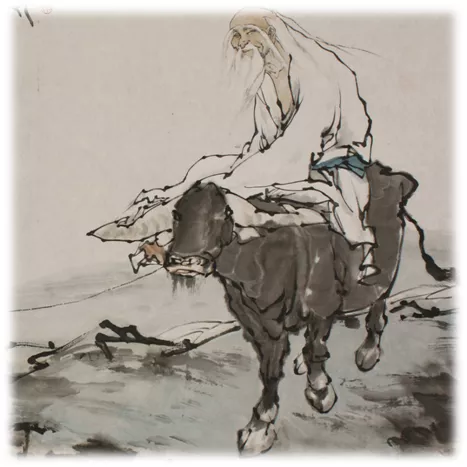
The Celestial Master Founds the Teaching
The Founding Celestial Master, Zhang Daoling, refined elixirs on Mount Yunjin, a blessed land of green hills, clear waters, and tranquil scenery. When the elixir was complete, a dragon and a tiger appeared, and he ascended, becoming an immortal. Mount Yunjin was therefore renamed Mount Longhu (Dragon and Tiger Mountain), in present-day Yingtan, Jiangxi Province, China. Around 141 CE, the Founding Celestial Master Zhang Daoling began taking disciples and establishing his teaching. Those who followed his way had to contribute five pecks of rice, and so it was called “the Way of the Five Pecks of Rice.” This is what later generations came to call Taoism.

In the first year of the Han’an era of the Han dynasty (142 CE), according to tradition, Lord Lao the Most High (Taishang Laojun) descended in person and conferred on Zhang Daoling the “True Method of the Three Heavens,” appointing him “Celestial Master.” In the same year he also conferred the “Essential Ritual Texts of the Zhengyi Rites and Arts” and the “Wondrous Scripture of the Orthodox Unity Covenant with the Powers,” appointing him “Ritual Master of the Three Heavens, Perfected of Orthodox Unity.”
After this, the Celestial Master Zhang Daoling subdued demons and monsters in the Ba and Shu region and established the twenty-four parishes. Taoism now had a formal religious organization: the Way of the Celestial Masters.
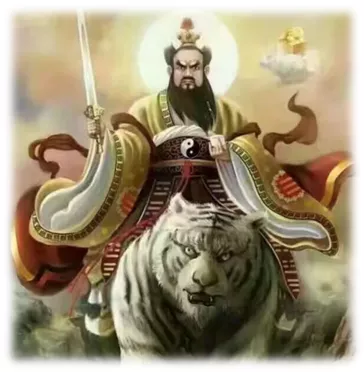
Rise in the Wei and Jin Periods
At the end of the Eastern Han dynasty (around 195 CE), the third Celestial Master, Zhang Lu, established a theocratic regime in Shu. Cao Cao led an expedition to Ba and Shu and, wary of the power of Taoism, moved large numbers of its followers to the Central Plains. Taoism, on the contrary, branched out and spread in the Central Plains.
In the twenty-first year of the Jian’an era of the Eastern Han (216 CE), the fourth Celestial Master, Zhang Sheng, returned to Mount Longhu to spread the teaching, and from then on the Mansion of the Celestial Masters on Mount Longhu became the residence of the Celestial Masters through the ages. In the Jin dynasty, Taoism was consolidated and developed, and many nobles at court became Taoists.
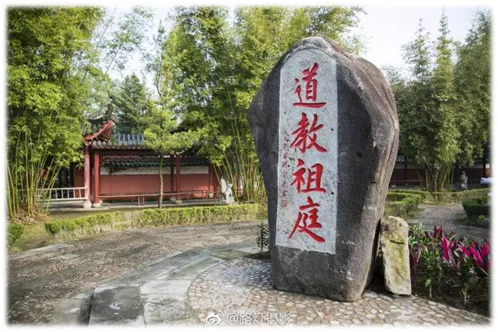
Development in the Northern and Southern Dynasties
During the Northern and Southern Dynasties, Lu Xiujing and Kou Qianzhi standardized and reorganized the various religious activities of the Way of the Celestial Masters, revised the Taoist classics, and corrected a number of errors. Taoism developed fully during this period.
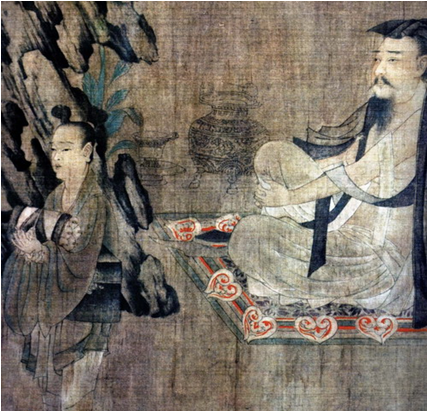
Flourishing in the Sui, Tang, Song, and Yuan
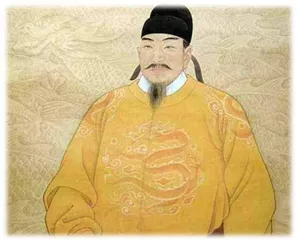
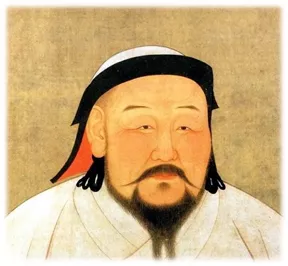
In the Sui, Tang, Song, and Yuan dynasties, thanks to the reverence of the ruling class, Taoism flourished greatly and had enormous social influence. Emperor Gaozu of Tang, Li Yuan, acknowledged Laozi as his ancestor; Emperors Zhenzong and Huizong of Song promoted Taoism as the state religion; and Qiu Chuji expounded the Tao to Genghis Khan and won his deep trust. Celestial Masters of successive generations received imperial titles, rising as high as the first official rank.
The Peak of Development in the Ming Dynasty
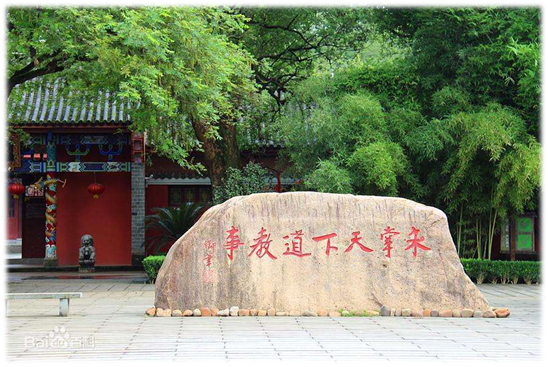
Zhu Yuanzhang, the founding emperor of the Ming, “conferred the title of Master of the Zhengyi Teaching, Heir to the Han Celestial Master, Great Perfected Who Protects the State, Expounds the Patriarchs, Communicates Sincerity, Honors the Tao, and Spreads Virtue, in charge of Taoist affairs, with the standing of the second rank, first class.” From then on, the head of the Way of the Celestial Masters on Mount Longhu rose from leader of Taoism south of the Yangtze to head and spiritual leader of Taoism throughout the realm.
Decline in the Qing Dynasty
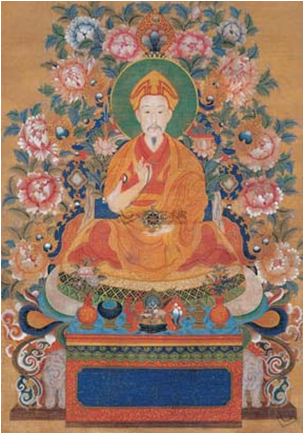
The Manchu rulers of the Qing believed in Tibetan Buddhism and suppressed the Taoism practiced by the Han Chinese.
In modern times, because of war and other causes, Taoism’s development was hampered. In particular, during China’s “Cultural Revolution,” Taoism suffered a catastrophe. After the “Cultural Revolution” ended and Chinese society entered the period of reform and opening up, Taoism finally saw a revival, and Chinese Taoism was able to continue its transmission and development.