
Chiyang Daoren, Eastern Taoism
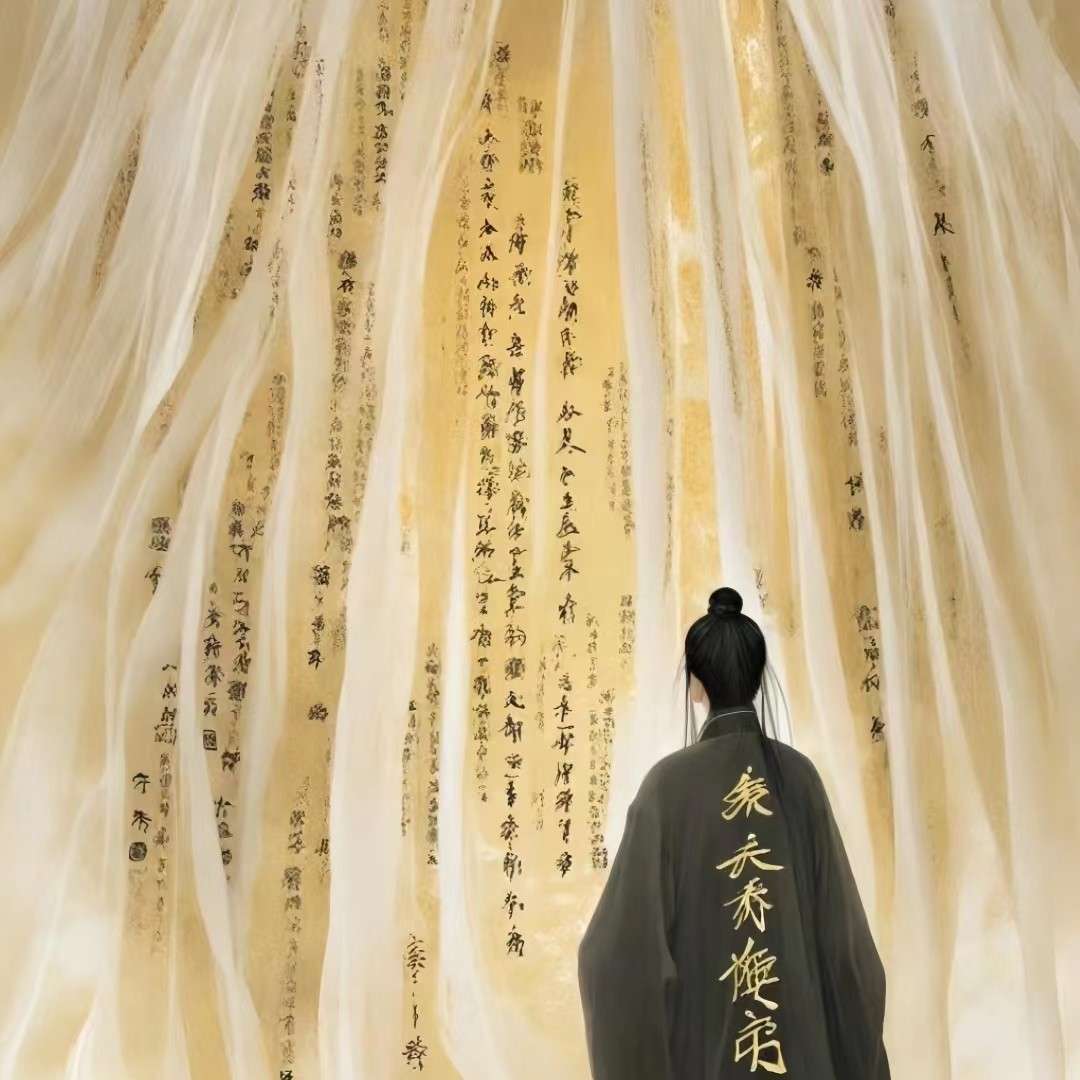
1. The Zhengyi School of Taoism, Also Called the Way of the Orthodox Unity Covenant with the Powers
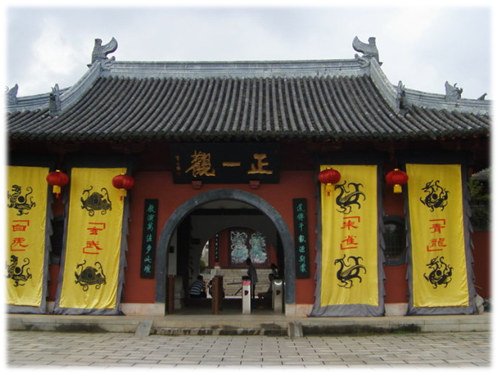
The Zhengyi (Orthodox Unity) school of Taoism (the Way of the Orthodox Unity Covenant with the Powers), also called the Way of the Celestial Masters, is one of the oldest core schools of Taoism. It is the source of the Zhengyi school, one of Taoism’s two mainstream schools (Zhengyi and Quanzhen); its transmission spans more than 1,900 years, and it has had a profound influence on the development of Taoist culture.
The Zhengyi school was founded by the Founding Celestial Master Zhang Daoling at the end of the Eastern Han dynasty (around 141 CE). Upholding the principle “orthodoxy to repel the heterodox, unity to govern the myriad,” it advocates actively engaging with the world in one’s practice, facing life directly, praying for blessings and warding off misfortune for people, dispelling calamities and relieving hardships, spreading the Tao and helping the world, protecting the country and benefiting the people. The Zhengyi school places few requirements on the personal lives of its Taoist priests: apart from going up to the hall to recite scriptures and perform ritual services, they may wear ordinary clothes, marry and have children, and eat meat; they do not keep beards, and their hairstyles follow common custom.
1. Origins and Early Development
During the reign of Emperor Shun of the Eastern Han (126–144 CE), Zhang Daoling, a native of Pei, founded it in Shu. Because believers originally had to contribute five pecks of rice to join, it was also called “the Way of the Five Pecks of Rice.”
Core line of transmission: Zhang Daoling passed on his teachings to his son Zhang Heng, who in turn passed them on to his son Zhang Lu. During the reign of Emperor Xian of Han, Zhang Lu held Hanzhong for more than twenty years and vigorously spread the school, which gained legal status and spread openly, with tens of thousands of believing households. Later its followers were moved with Cao Cao to Chang’an, Luoyang, and other places, and the Way of the Celestial Masters began to take root in the Central Plains.
2. Historical Development and Rise in Status
Consolidation in the Northern and Southern Dynasties: The Northern Way of the Celestial Masters: Kou Qianzhi reformed the Way of the Celestial Masters, abolished hereditary religious offices, and emphasized precepts and fasting practice, forming the “New Way of the Celestial Masters.”
The Southern Way of the Celestial Masters: Lu Xiujing organized the Taoist scriptures and perfected the rituals of fasts and offerings (zhaijiao), making the Way of the Celestial Masters more complete in form and content.
The height of development in the Song and Yuan: In the Song dynasty, the Zhengyi Celestial Masters received titles from the court; from the twenty-fourth, Zhang Zhengsui, to the thirty-fifth, Zhang Keda, at the end of the Southern Song, almost every generation was honored. Emperor Lizong of Song granted the thirty-fifth Celestial Master the great authority of “general superintendent of the talisman-and-register schools,” and the Zhengyi school became the leader of talisman-and-register Taoism.
In the Yuan dynasty: Zhang Yuchu, the forty-third Celestial Master of the Ming dynasty, wrote the Ten Rules for the Taoist Community (Daomen Shigui) as head of Taoism throughout the country, regulating Taoist lineages and the management of Taoist temples and monasteries. Under Emperor Chengzong of Yuan, Zhang Yucai, the thirty-eighth Celestial Master, was granted the title “Master of the Zhengyi Teaching” and put in charge of the three great talisman-and-register schools south of the Yangtze—Mount Longhu, Mount Mao (Maoshan), and Mount Gezao—and the line of Celestial Masters, as “Masters of the Zhengyi Teaching,” led Taoism south of the Yangtze.
3. Characteristics and Present State of the School
Core features: Its main religious activities are talismans and registers, fasts and offerings, bringing down the gods, and exorcising demons. Besides the Tao Te Ching, the Zhengyi Scripture is its principal scripture. Its priests may marry and have children and need not leave home or receive precepts. It honors “the Tao and its virtue and naturalness, guarding the One and cultivating the self,” and so is also called “the Way of Guarding the One.”
Modern transmission: To this day, the Mansion of the Celestial Masters on Mount Longhu in Jiangxi remains the ancestral court of the Zhengyi school, and the descendants of Celestial Master Zhang have inherited the office for sixty-three generations. The Zhengyi school’s beliefs and ways of transmission still continue the traditional model of the Way of the Orthodox Unity Covenant with the Powers.
4. Main Branches
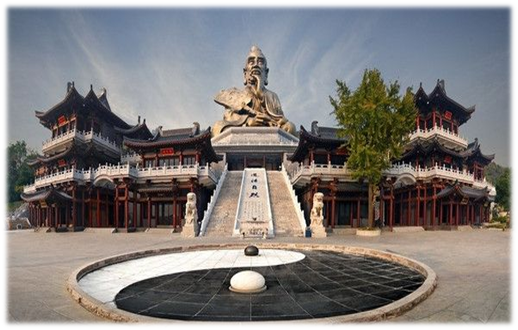
The Zhengyi Way is made up of the old and new talisman-and-register schools—the Longhu school, the Maoshan school, the Gezao school, the Taiyi school, the Jingming (Pure Brightness) school, and the Shenxiao (Divine Empyrean), Qingwei (Pure Subtlety), Donghua, and Tianxin Zhengfa schools—all under the unified administration of the Master of the Zhengyi Teaching. They honor the Celestial Master as their leader.
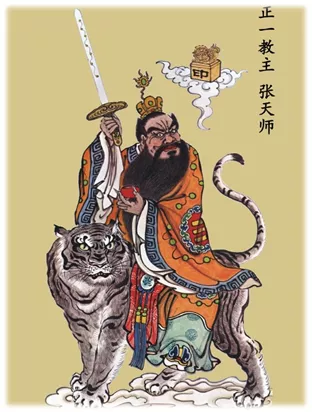
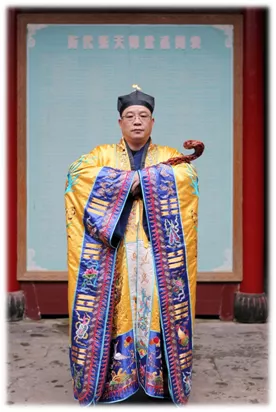
Its leaders are the descendants of the Founding Celestial Master Zhang Daoling, and the Celestial Masters of successive generations have all inherited the office of head of the teaching. Even in the Ming–Qing period, when the title of Celestial Master was abolished and the Master of the Zhengyi Teaching was no longer appointed by imperial decree, Zhang Daoling’s blood descendants were still regarded as the leaders of the Zhengyi Way. The current abbot of the Mansion of the Celestial Masters is Zhang Jintao, vice president of the China Taoist Association and a sixty-fifth-generation blood descendant of the Founding Celestial Master Zhang Daoling.
5. The Mansion of the Celestial Masters
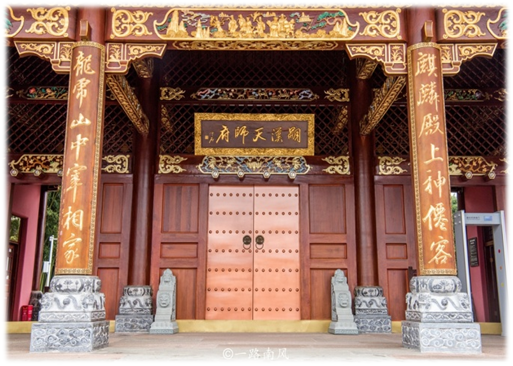
The Founding Celestial Master once refined elixirs on Mount Longhu, and after the fourth Celestial Master returned to Mount Longhu to spread the teaching, the Mansion of the Celestial Masters on Mount Longhu became the residence of the Celestial Masters through the ages. The Mansion is therefore called the Ancestral Altar of the Ten Thousand Methods and the ancestral court of Taoism.
The Mansion of the Celestial Masters is the only place designated by the China Taoist Association for the conferral of registers.
2. The Quanzhen School of Taoism
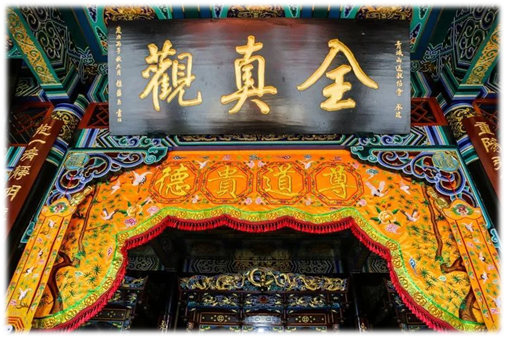
The Quanzhen (Complete Perfection) school of Taoism (also called the Quanzhen Way or Quanzhen teaching) is one of the mainstream schools of Taoism and, alongside the Zhengyi Way, one of its two core traditions. Founded by Wang Chongyang in the Jin dynasty (around 1167 CE), it advocates “dual cultivation of nature and life” and “no-mind and forgetting words, softness and clarity and stillness, a rectified heart and sincere intent, lessening selfishness and having few desires.” Its main practice is the refinement of inner alchemy (neidan). Taking “the perfect harmony of the three teachings, knowing the mind and seeing one’s nature, and preserving one’s truth whole” as its purpose, the Quanzhen school incorporated some Buddhist traditions and precepts into its practice, requiring priests to leave home and live in Taoist temples, dwell in humble rooms, keep their hair long, grow beards, abstain from meat and alcohol, and not marry or have children. It has had a profound influence on Taoist culture, traditional martial arts, and other fields in China.
1. Founding and Main Figures: In the seventh year of the Dading era of Emperor Shizong of Jin (1167), Wang Chongyang founded the Quanzhen school at Ninghai in Shandong (today’s Muping, Yantai), initially using the “Hermitage of Complete Perfection” as the base for spreading the teaching. The founder, Wang Chongyang, came from a Confucian family; after the ups and downs of life, he attained great enlightenment at the foot of the Zhongnan Mountains. He advocated the unity of the three teachings of Confucianism, Buddhism, and Taoism, holding that “the three teachings do not depart from the true Tao,” and combined the best of all three to build the Quanzhen teachings.
The Seven Masters of Quanzhen: Wang Chongyang’s seven great disciples (Ma Yu, Tan Chuduan, Liu Chuxuan, Qiu Chuji, Wang Chuyi, Hao Datong, and Sun Bu’er) are called “the Seven Perfected of the North.” Each founded their own lineage (Qiu Chuji, for example, founded the Longmen lineage), spreading the influence of the Quanzhen school. Qiu Chuji traveled west to meet Genghis Khan and won his respect by “stopping the killing with a single word”; he was appointed to take charge of all Taoism under heaven, bringing the Quanzhen school to the height of its development.
2. Core Teachings and Features of Practice:
The idea of the unity of the three teachings: The scriptures revered by the Quanzhen school span Taoism (the Tao Te Ching, the Classic of Clarity and Stillness), Confucianism (the Classic of Filial Piety), and Buddhism (the Heart Sutra). It holds Taoist philosophy as the foundation, incorporates Confucian ethics and Buddhist meditative wisdom, and seeks the spiritual realm of “the perfect harmony of the three teachings.”
Way of practice: inner alchemy as the main practice, with pure cultivation and strict precepts.
With inner alchemy at its core, it stresses “knowing the mind and seeing one’s nature, removing emotions and casting off desires,” cultivating body and mind through seated meditation, qi refinement, and similar methods, and seeking the “dual cultivation of nature and life” (nature meaning the mind and nature, life meaning the essence of one’s vitality).
Priests are required to leave home and live in temples and observe strict precepts: celibacy and a vegetarian diet, no wives, and daily scripture recitation and meditation—in sharp contrast to the Zhengyi model of “practicing at home, with marriage and meat permitted.”
Scriptural system: The core scriptures include the Tao Te Ching, the Classic of Clarity and Stillness, the Classic of Filial Piety, the Heart Sutra, the Fifteen Discourses for Establishing the Teaching of Wang Chongyang, and the Collected Transmission of the Tao from Zhongli to Lü (Zhong Lü Chuandao Ji). They contain Taoist philosophy while also absorbing Confucian and Buddhist wisdom, showing the school’s inclusive character.
3. Historical Influence and Transmission
The height of the Jin and Yuan: The Quanzhen school was highly revered in the Jin and Yuan periods; its temples spread across north and south, and it became the mainstream force of Taoism. In the Yuan dynasty, after merging with the Southern School (of inner alchemy) of the Golden Elixir, it formed the unified Quanzhen Way, which continues to this day.
Cultural contributions: The Quanzhen school’s ideas of practice (such as inner alchemy and seated meditation) have had a far-reaching influence, and its ideal of “being hard on oneself to benefit others” has become part of popular morality. Figures among the Seven Masters of Quanzhen, such as Qiu Chuji, directly contributed to the formation of traditional martial arts such as tai chi and Quanzhen boxing.