Chiyang Daoren, Eastern Taoism
Wong Tai Sin (Huang Daxian), also known as Chisongzi (Master Red Pine), was a master of medicine and the Tao who “hung up his gourd to help the world,” spending his life giving medical care and medicine to the people. Around 1897, Chen Qidong and others of Daling Village, wishing to give the devotees of Wong Tai Sin a place for their activities, built the Wong Tai Sin Temple in Daling Village, Shilou Town, Panyu District, Guangzhou, Guangdong Province (now at 32 Puquan Road, Panyu District, Guangzhou). With its beautiful surroundings, where wind is sheltered and water gathers, it was an ideal place for religious activity, and so the spread of the Wong Tai Sin faith in the Lingnan region of Guangdong began here.
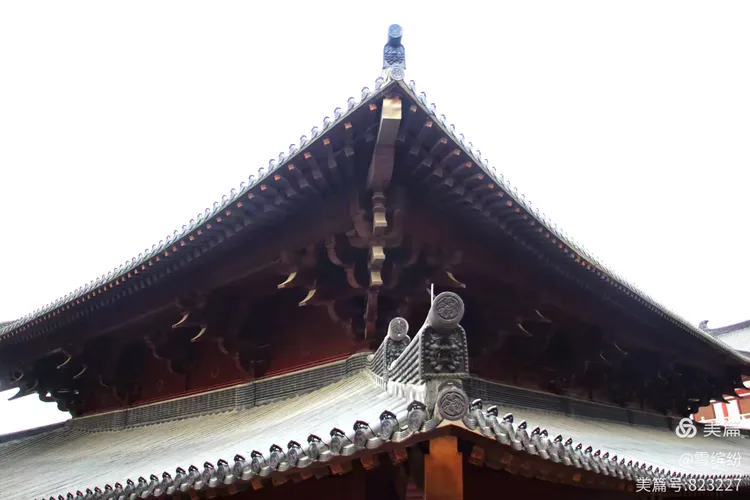
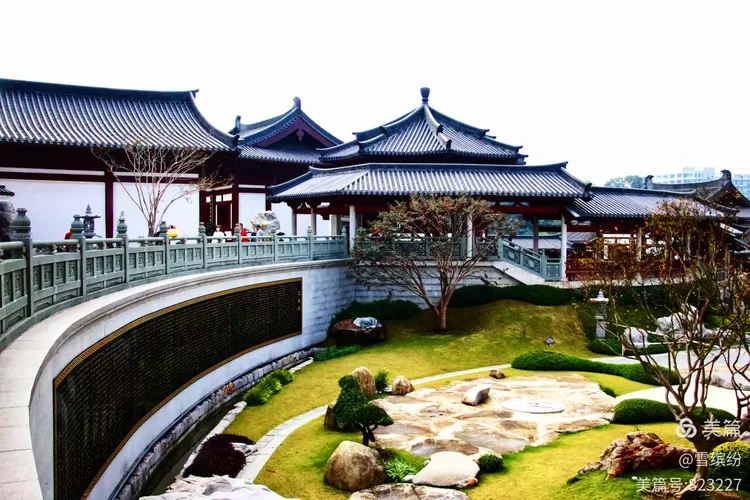
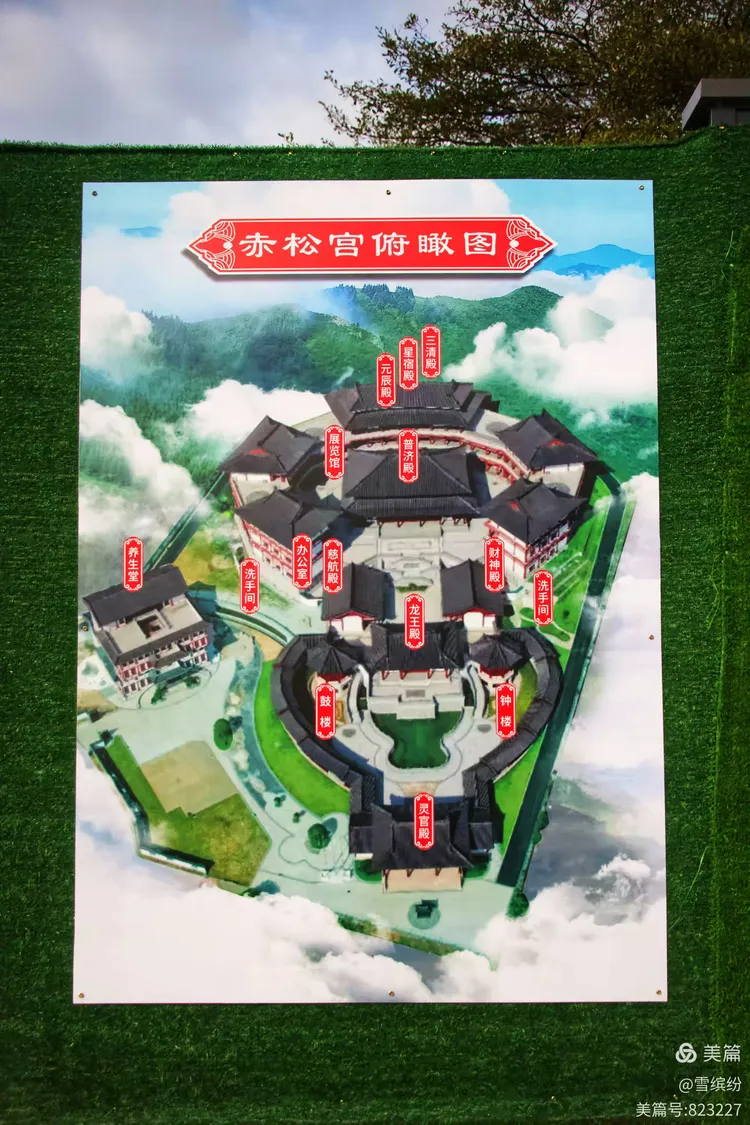
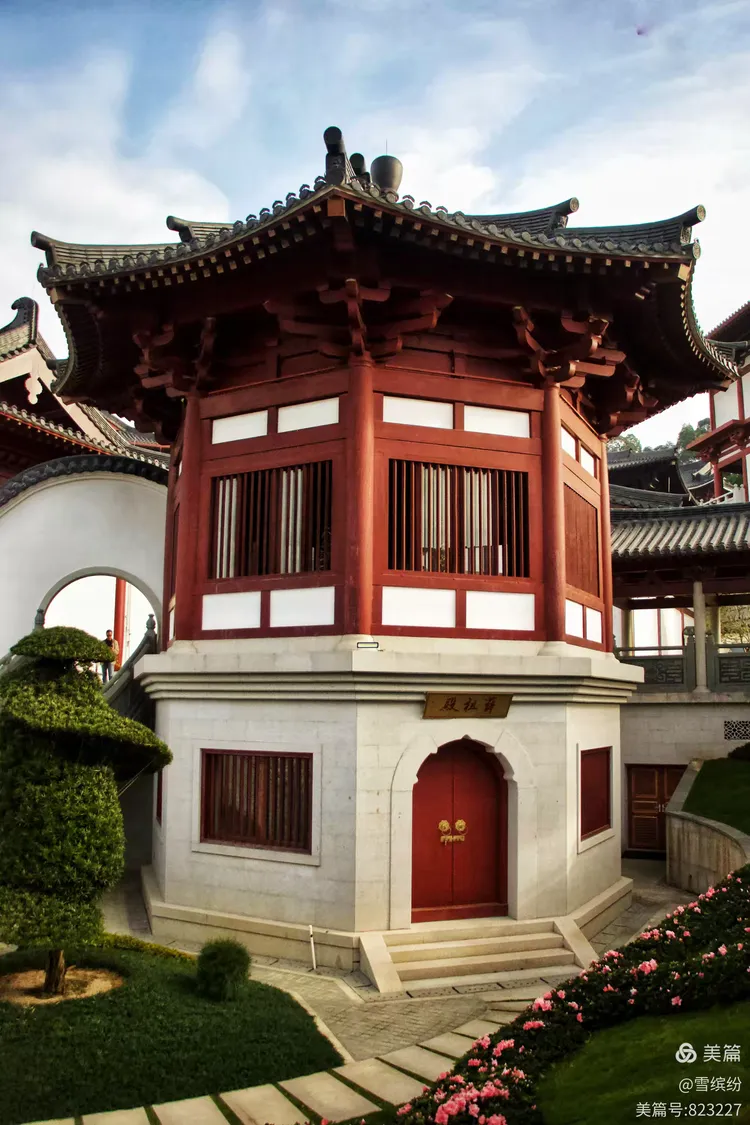
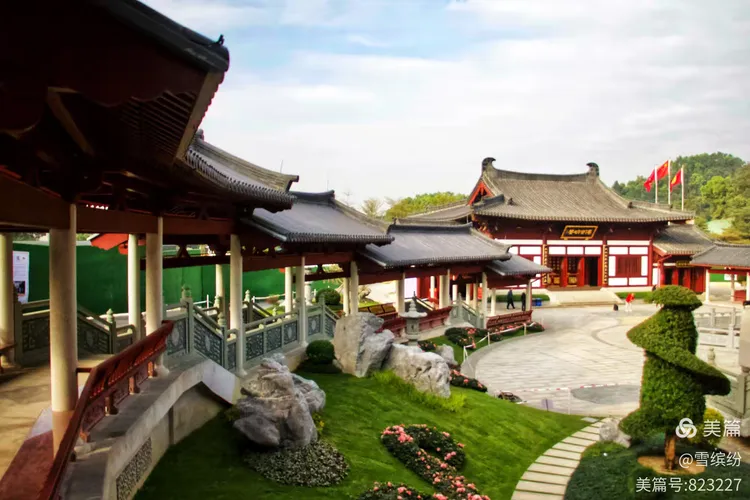
In December 2013, when the Wong Tai Sin Temple was rebuilt, it was renamed the Chisong Palace. The rebuilt Chisong Palace adopts the Tang architectural style, with an overall layout in the shape of a gourd and a ruyi scepter, blending the Lingnan architectural style with the look of the old village of Daling. The gourd and the ruyi represent the gourd gathering qi and the auspiciousness of fortune and emolument, and also carry the philosophical meaning of “a whole universe within the belly.”
The main buildings are based on the Taoist doctrine of heaven and earth: the area in front of the mountain gate represents earth, and the area inside the mountain gate represents the heaven of the immortal realm, divided into the Heaven of Grand Clarity, the Heaven of Highest Clarity, and the Heaven of Jade Clarity. The Taoist culture of the unity of heaven and humanity shines together with the display of fine traditional Chinese culture. The complex comprises 27 main parts, including the Puji Hall, the Lingguan Hall, the Guanyu Hall, the Hall of Lord Guan, the Hall of the God of Wealth, and the Yuanchen Hall, and in the future it will become the largest Taoist holy site in Guangzhou.
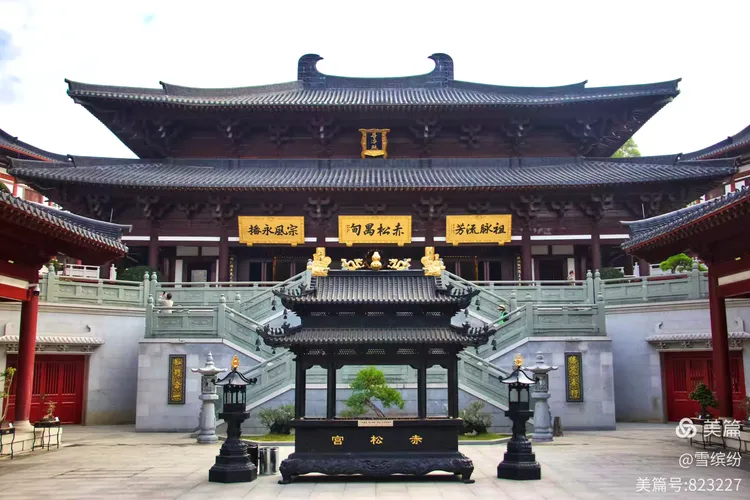
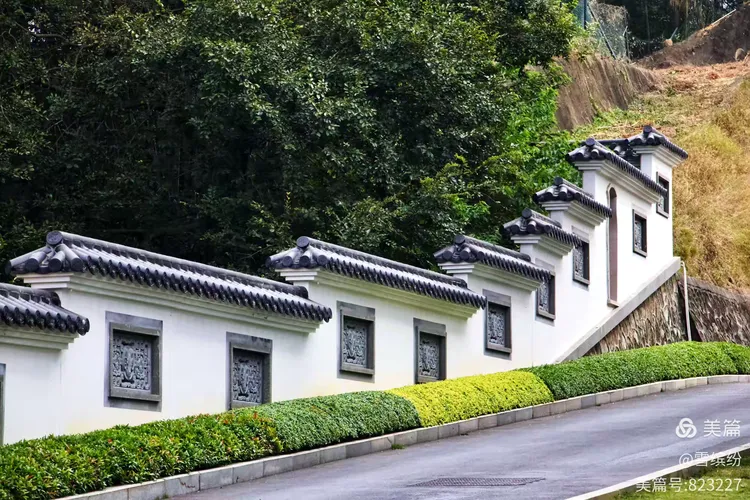
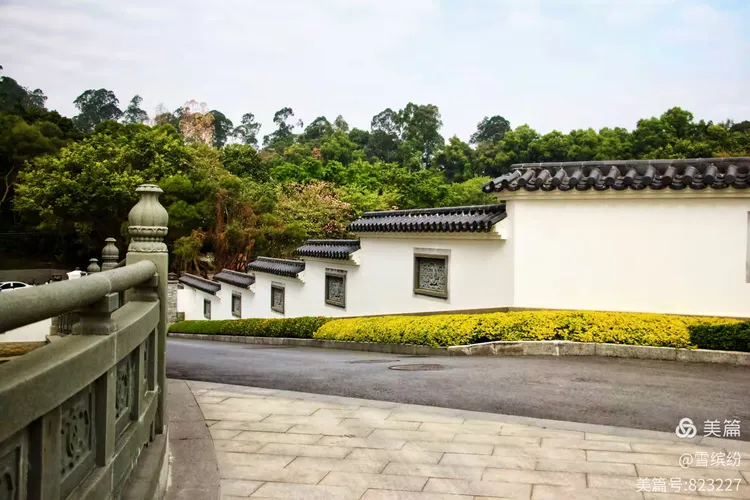
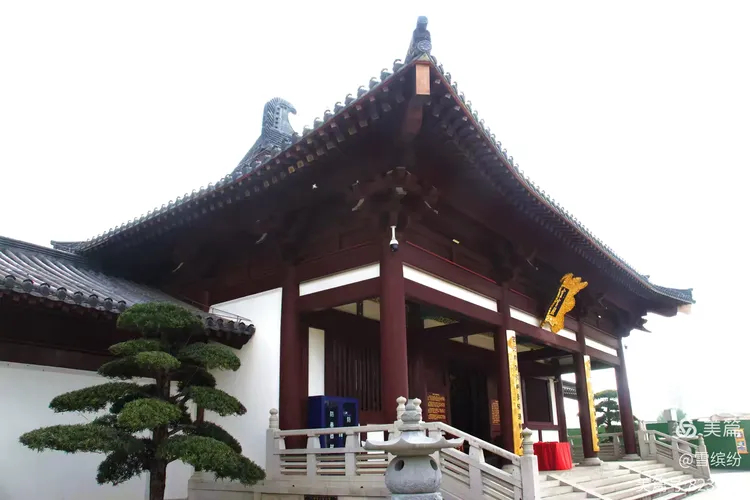
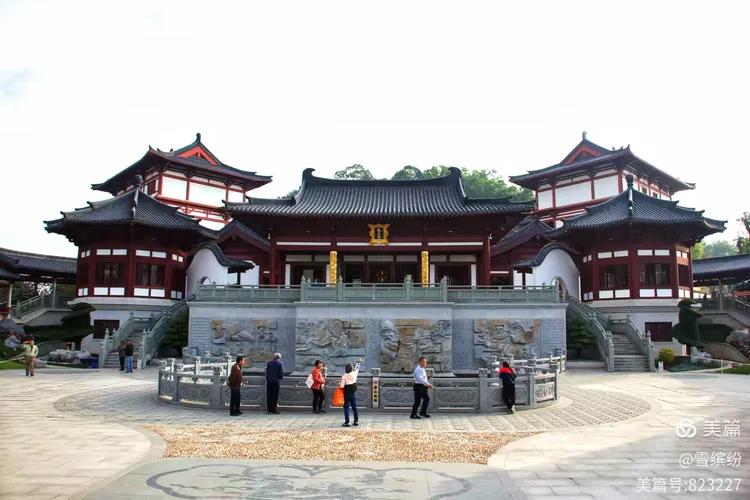
The Chisong Palace photographed from outside
As the aerial view shows, the Chisong Palace is laid out in the shape of a gourd
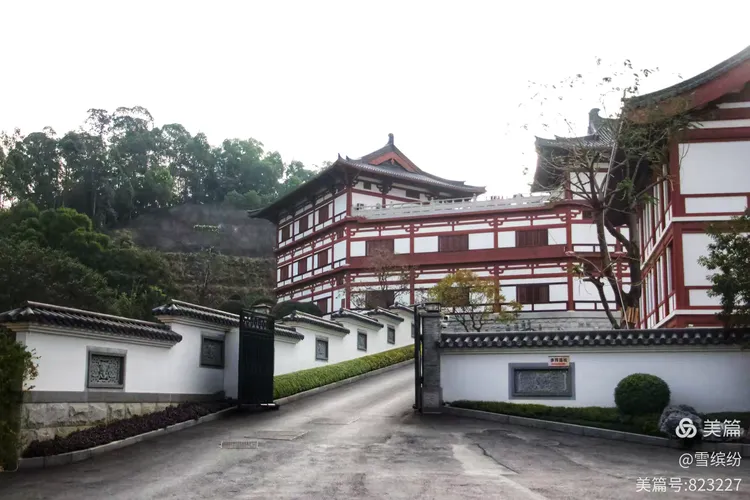
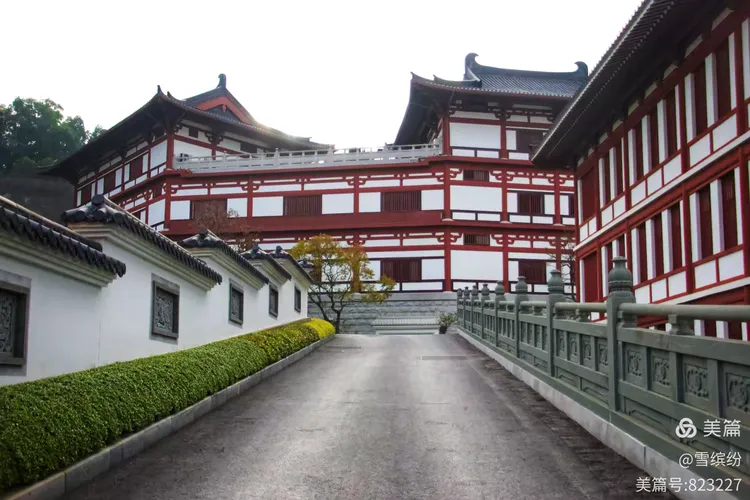
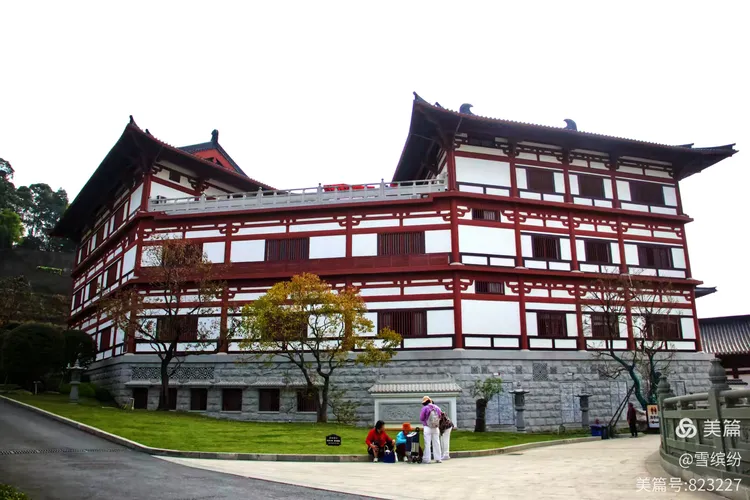
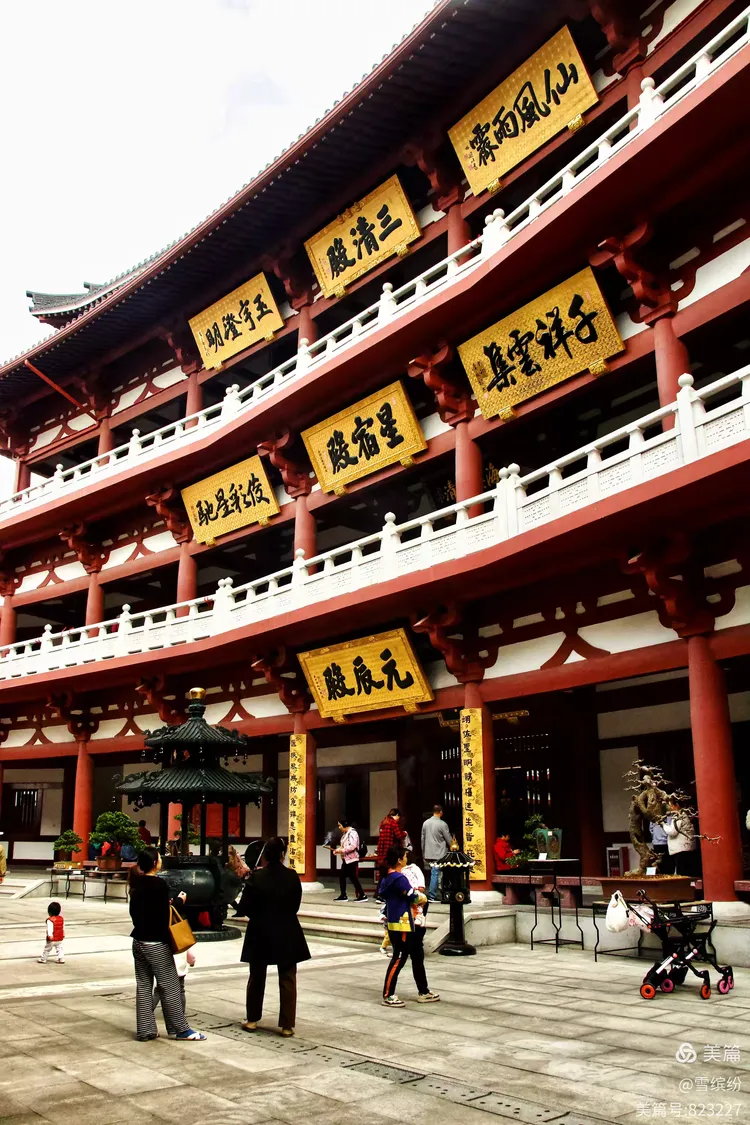
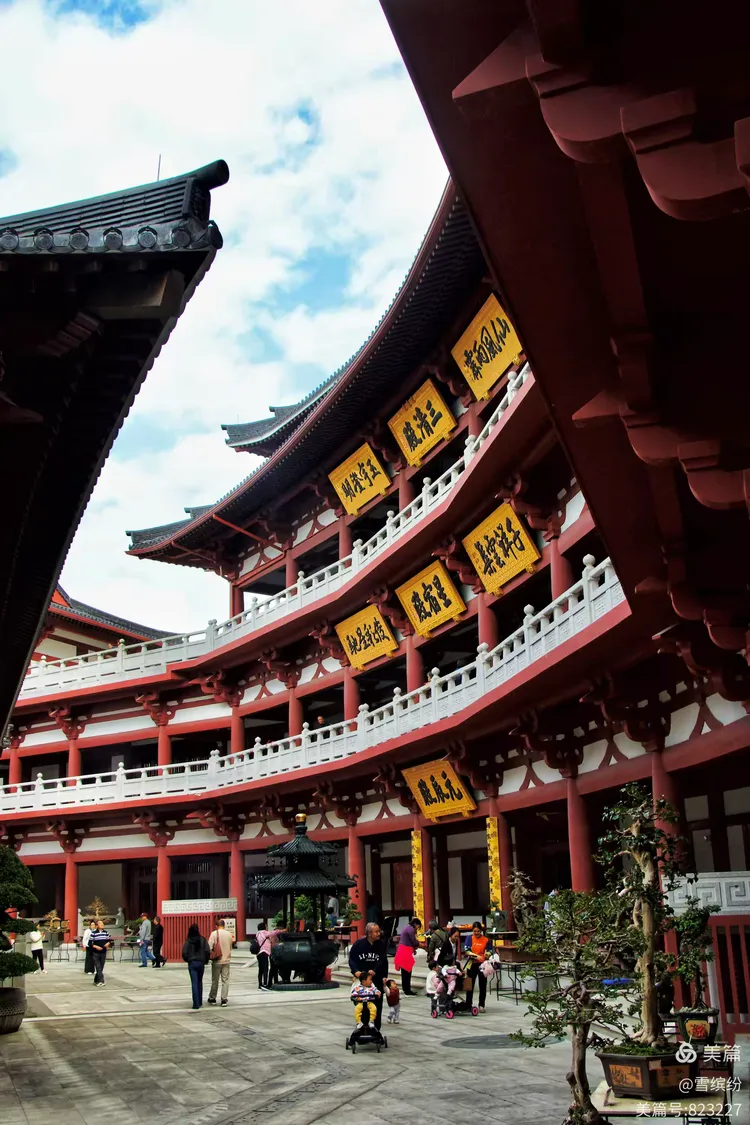
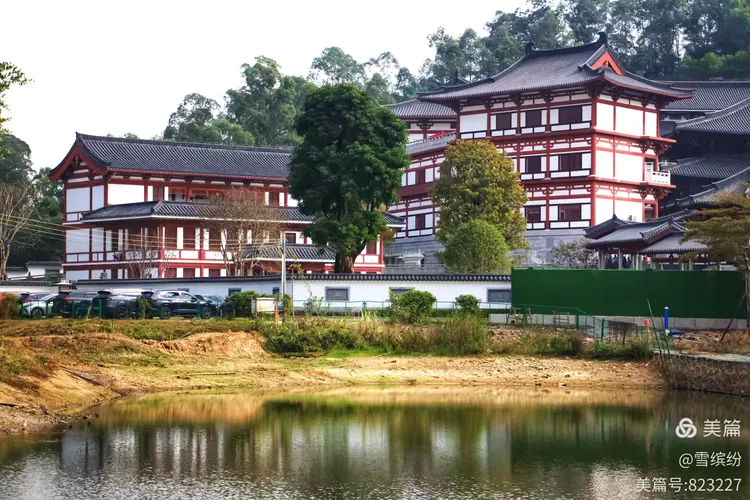
The buildings that meet the eye on entering the Chisong Palace
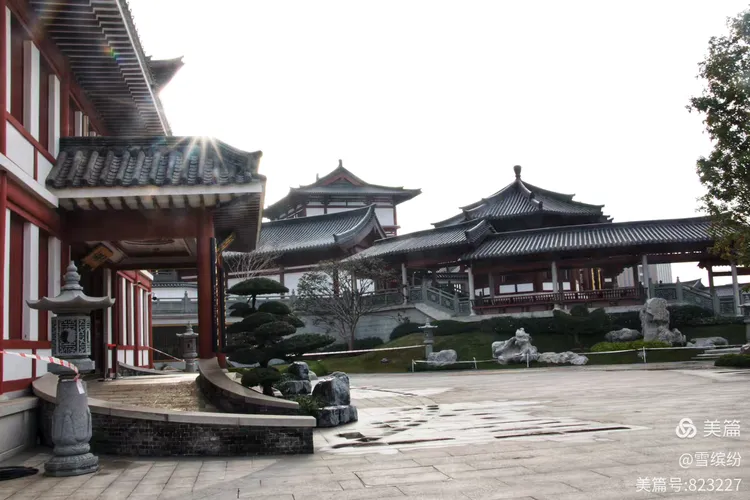
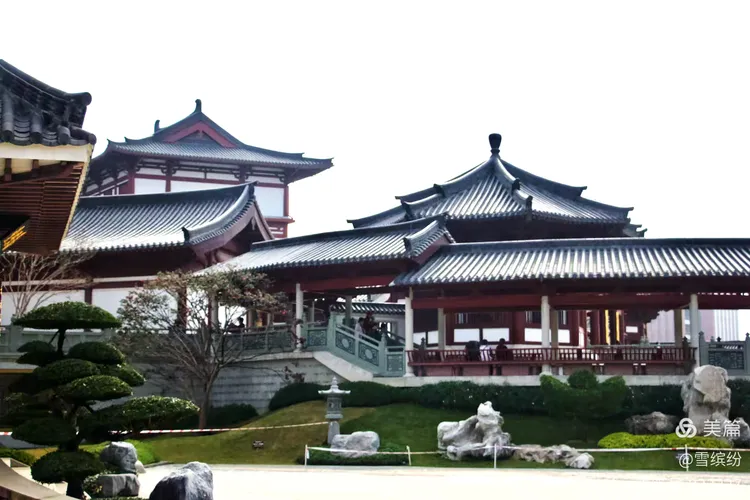
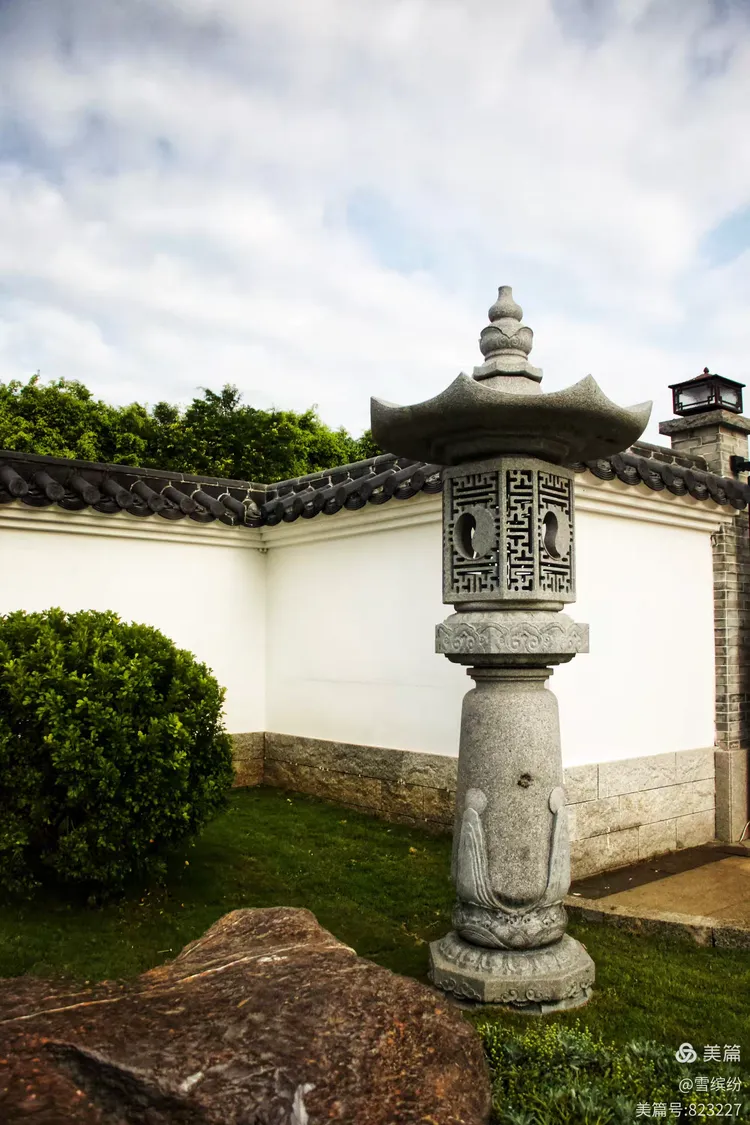
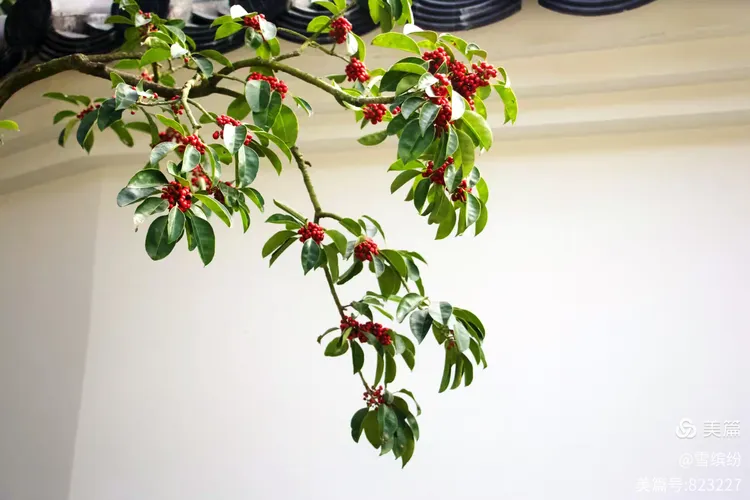
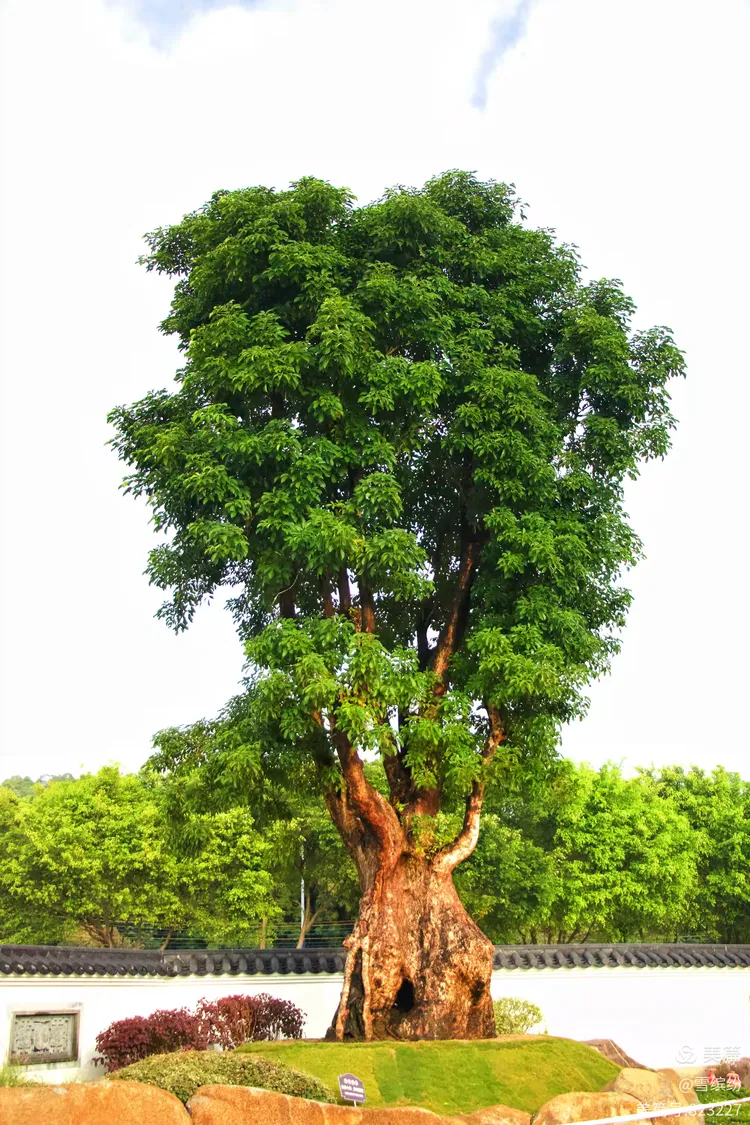
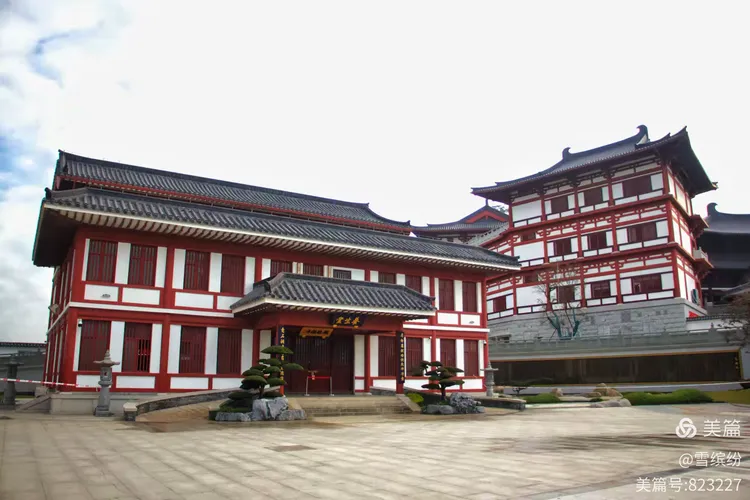
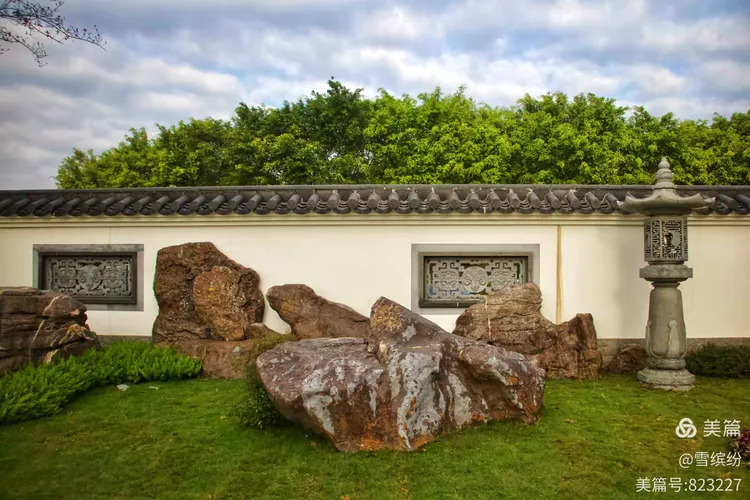
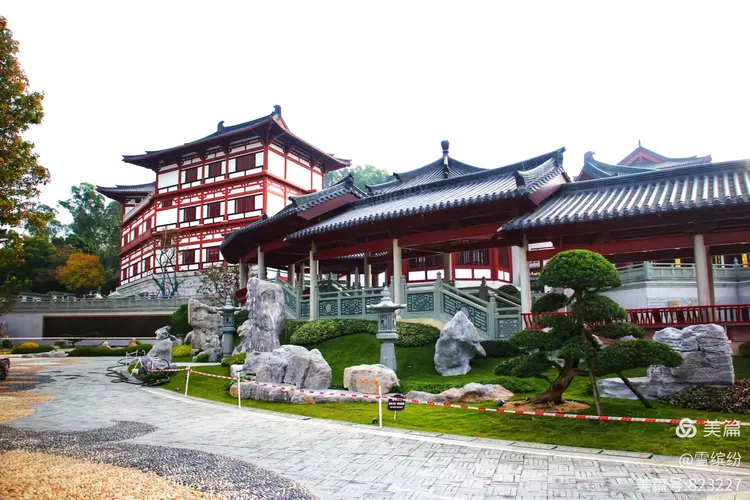
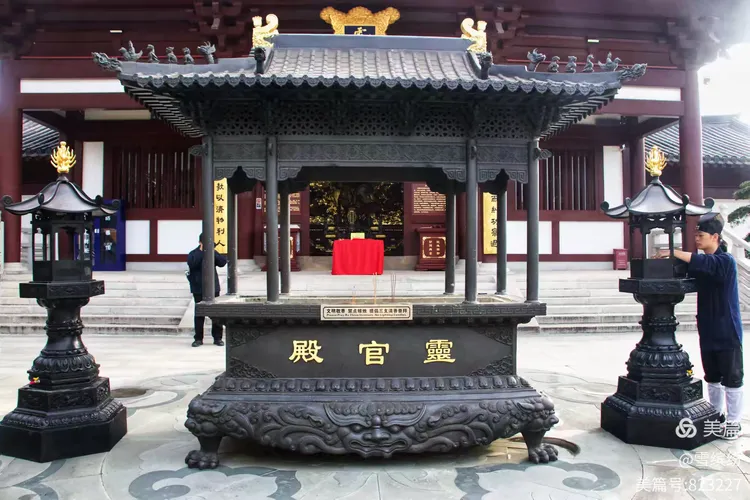
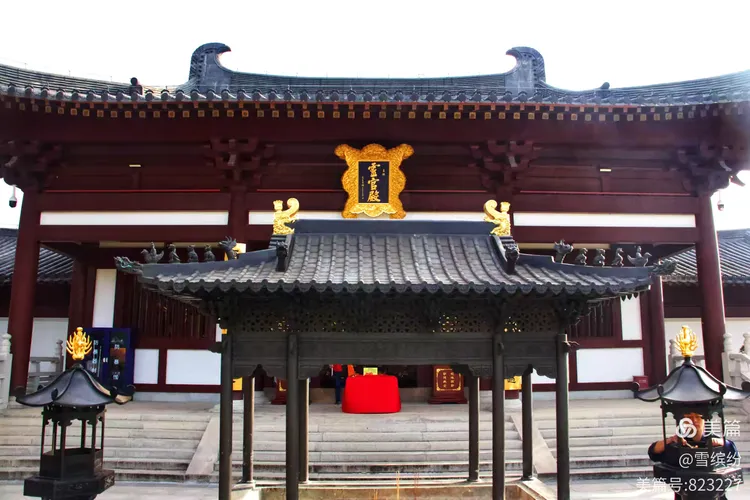
The Lingguan Hall
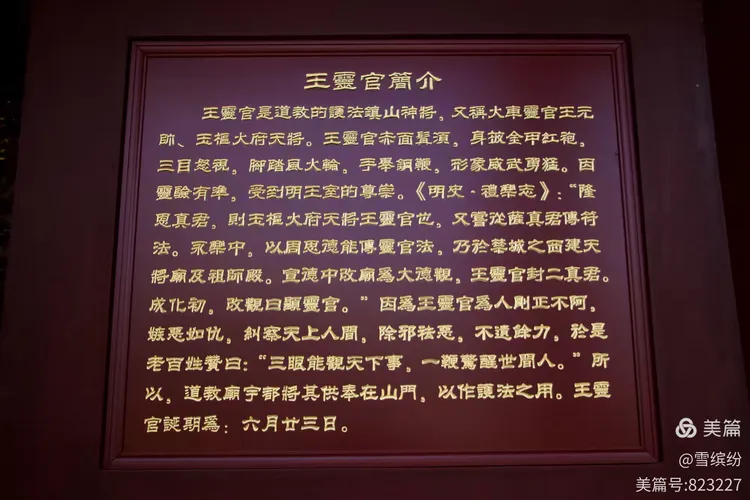
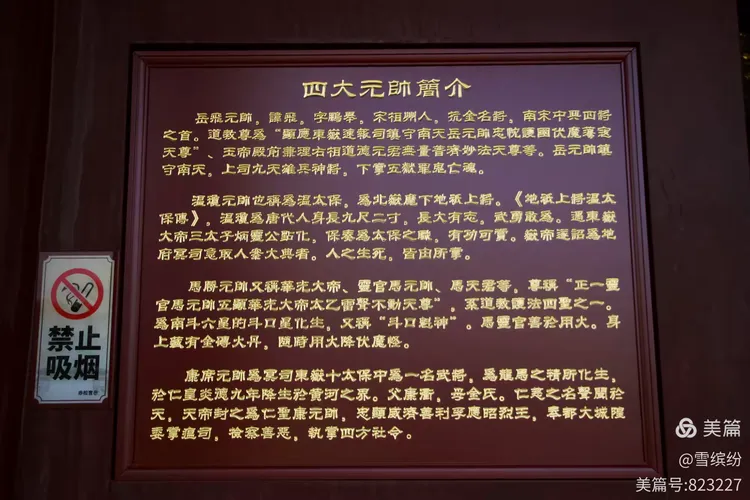
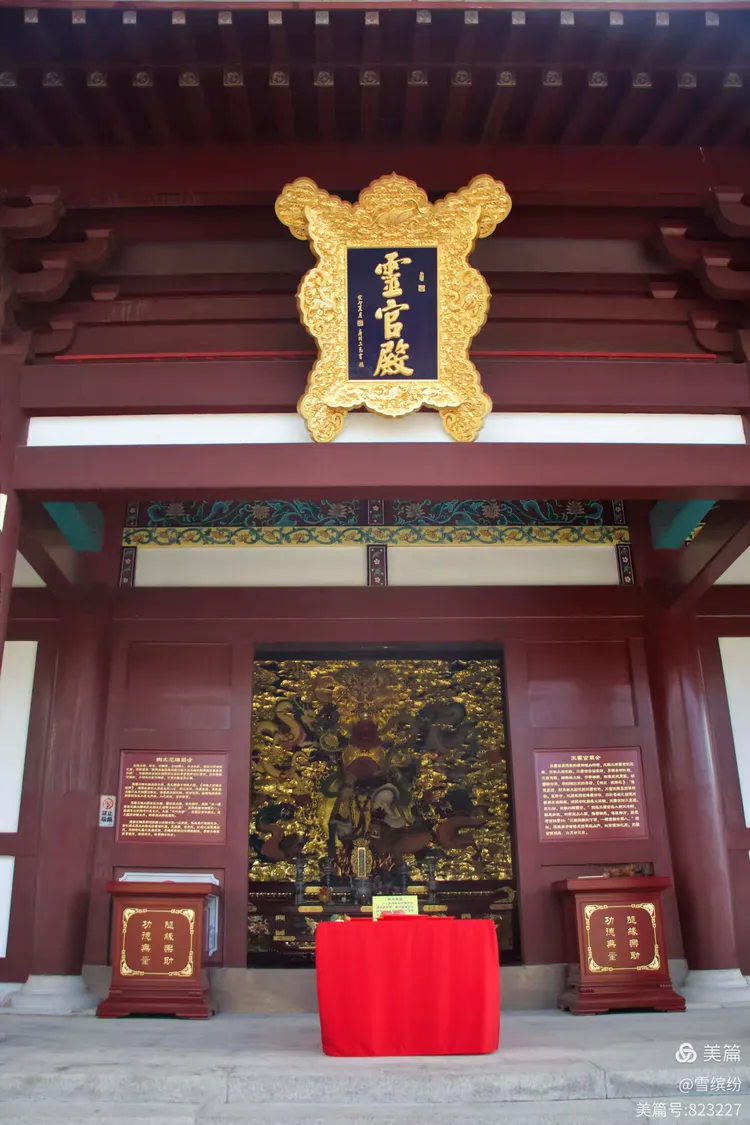
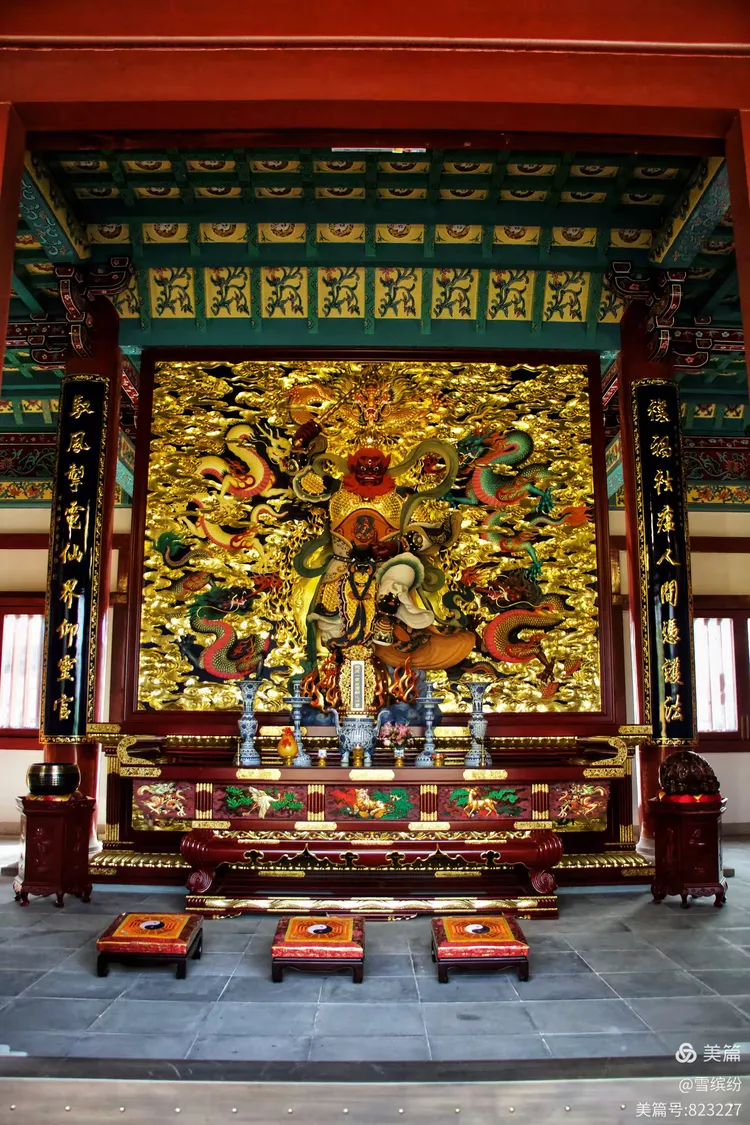
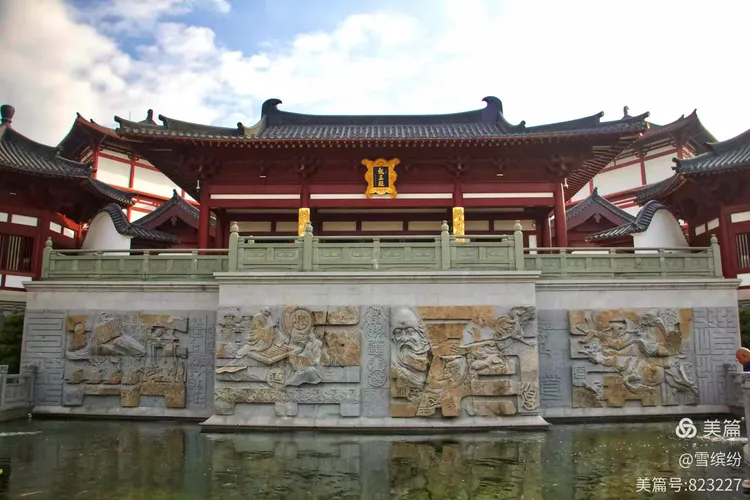
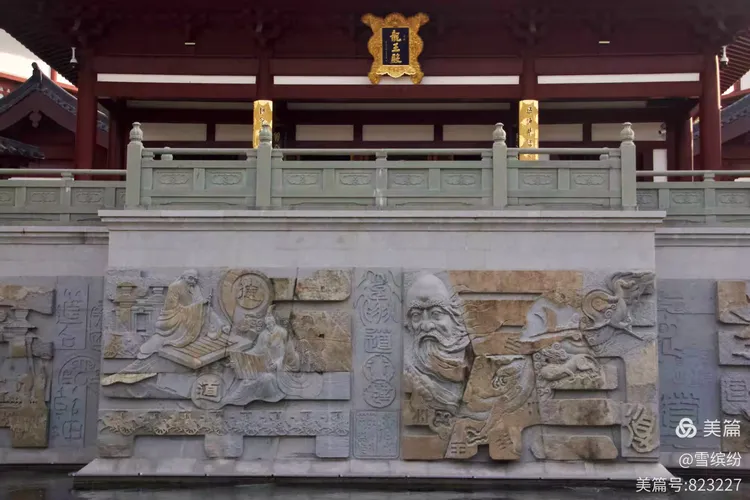
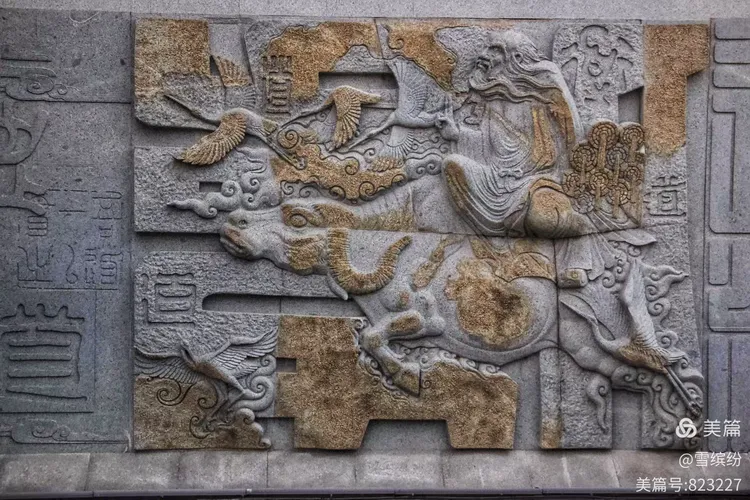
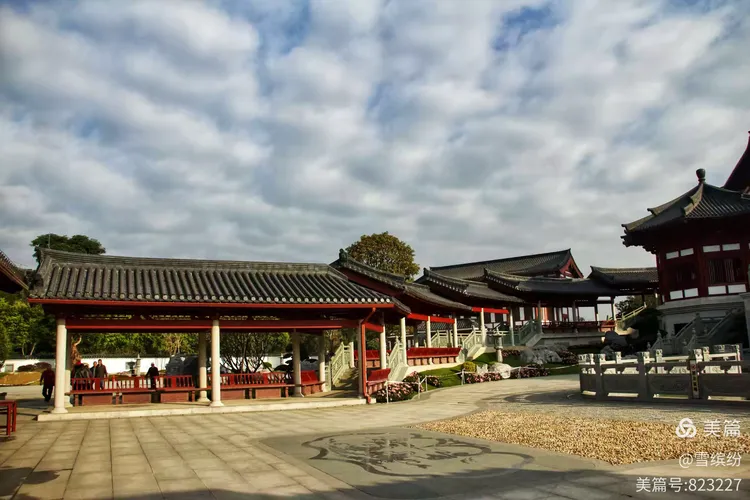
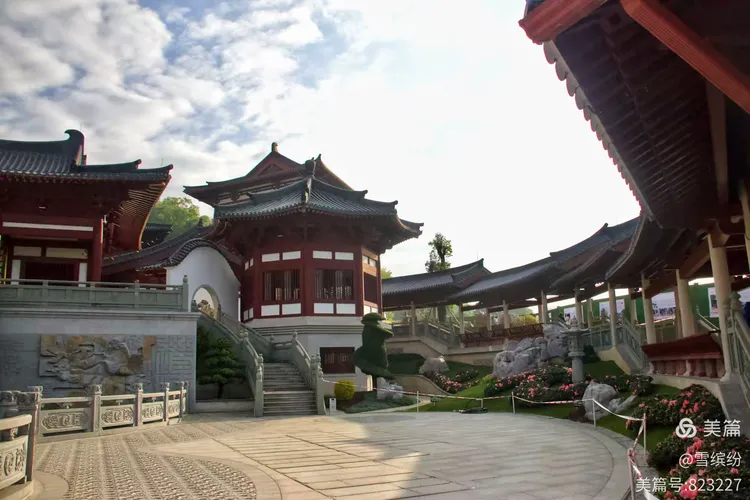
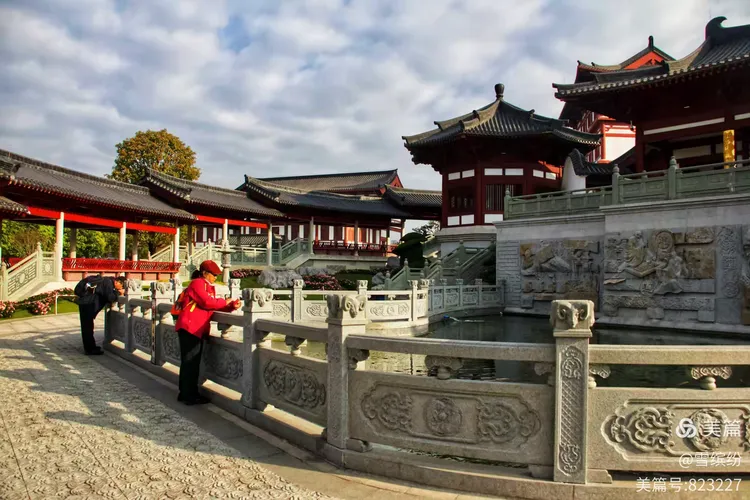
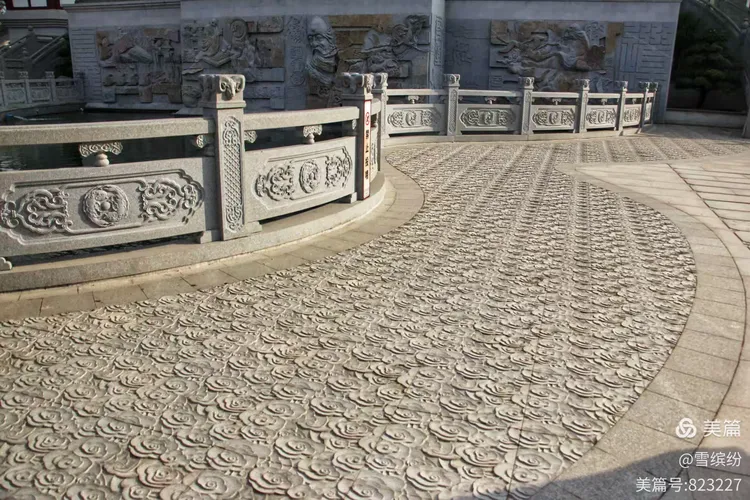
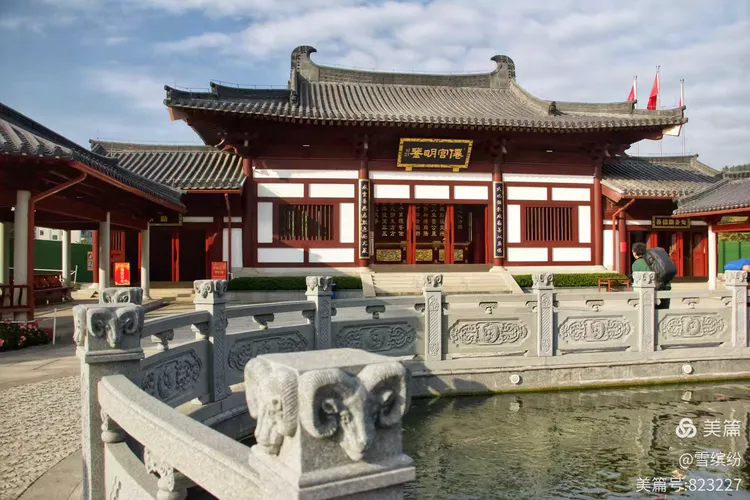
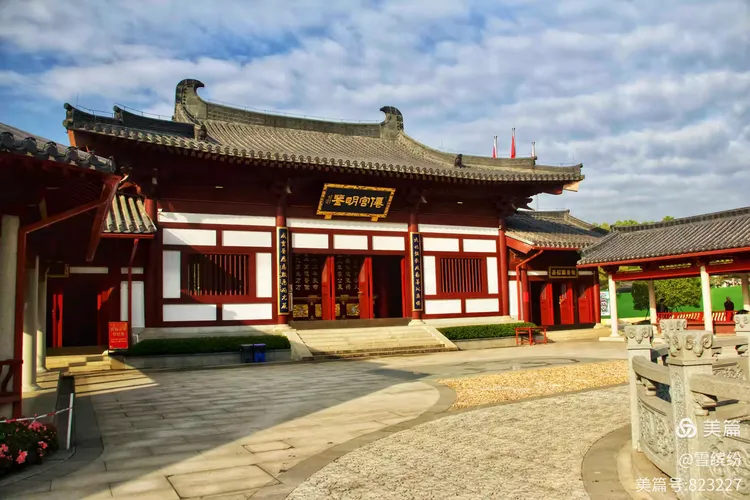
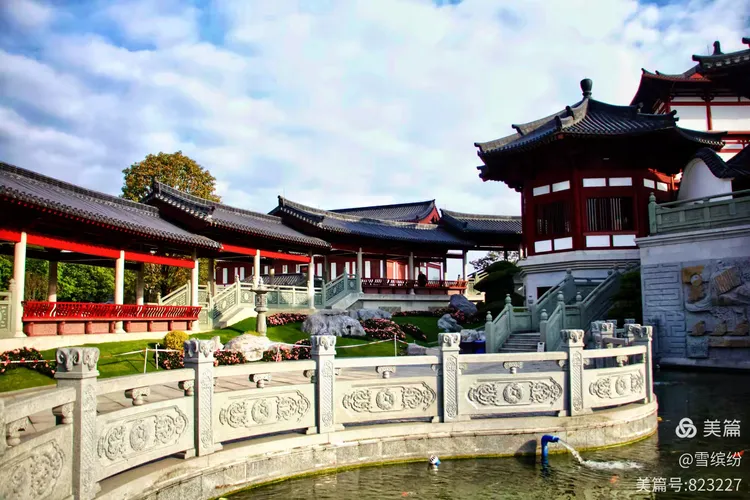
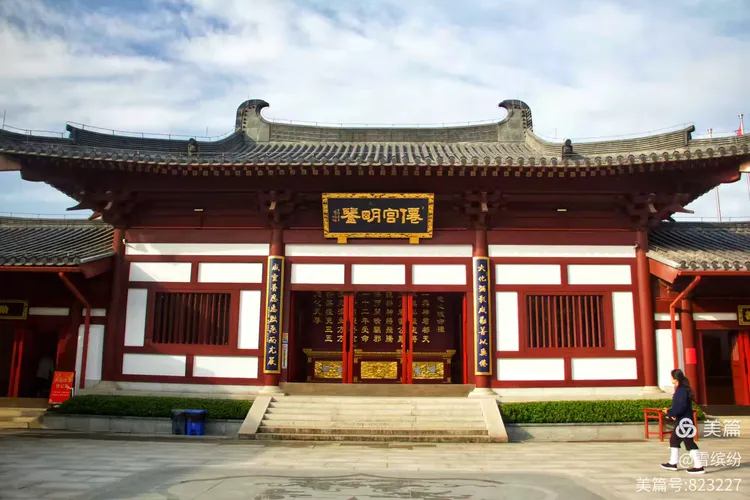
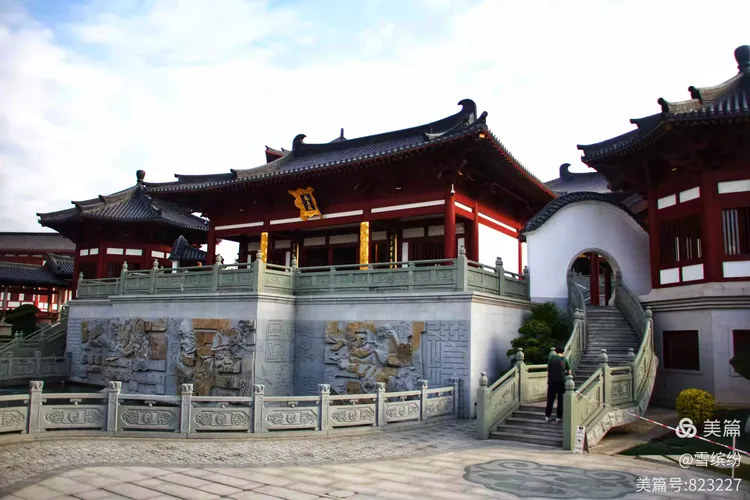
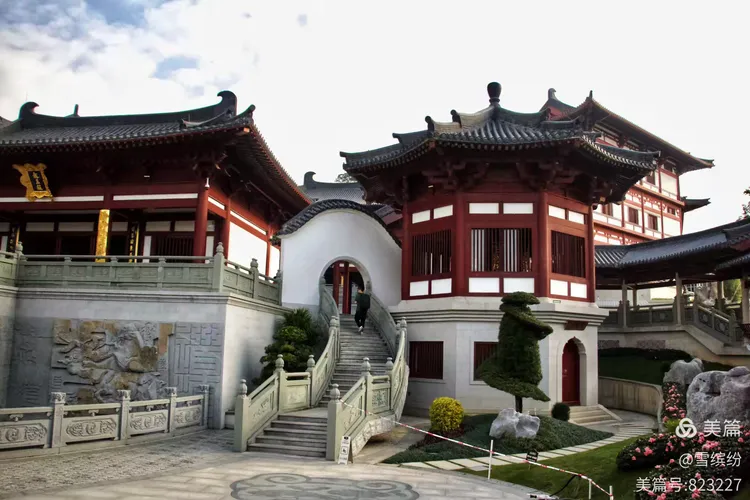
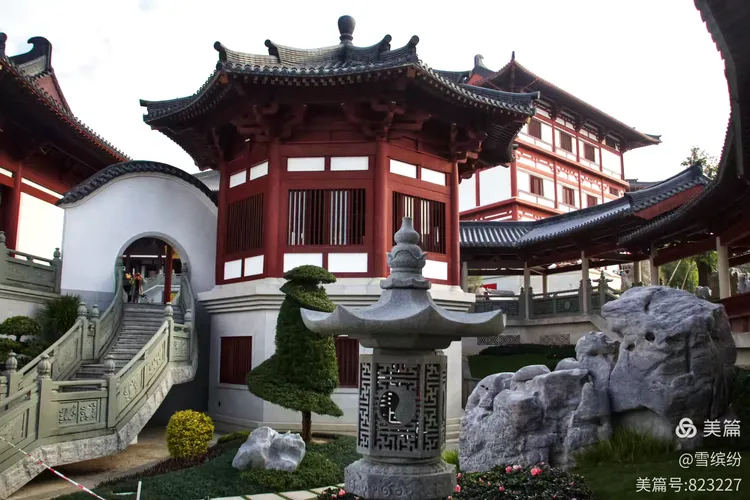
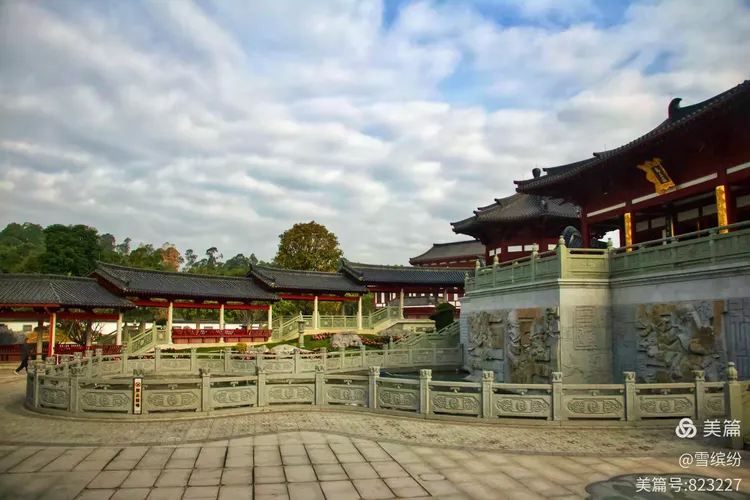
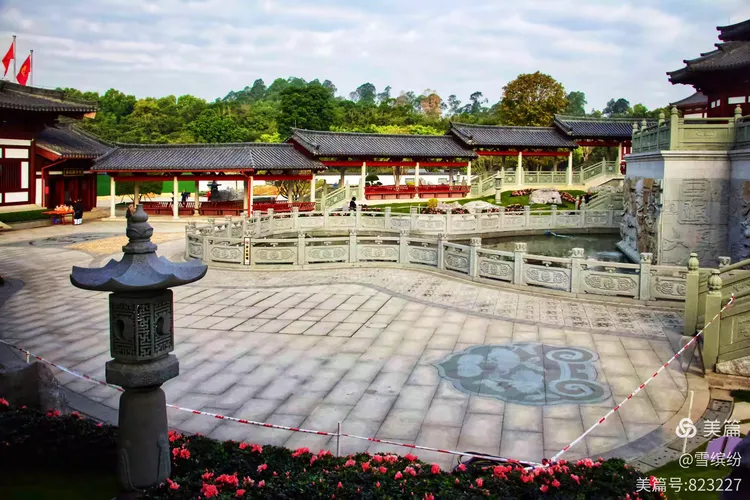
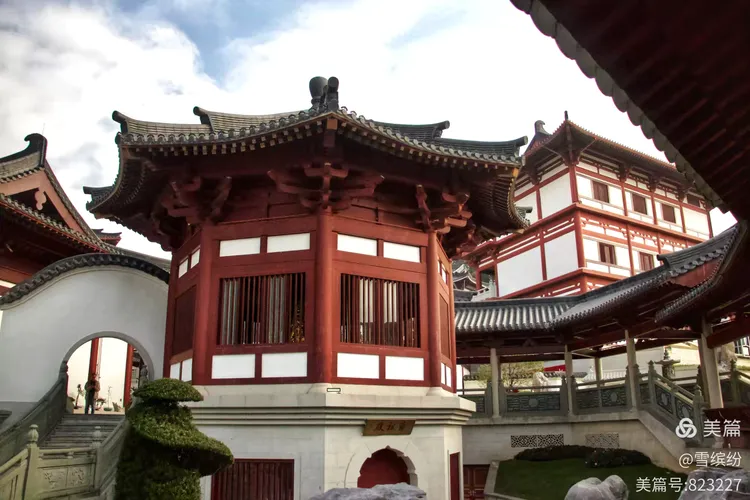
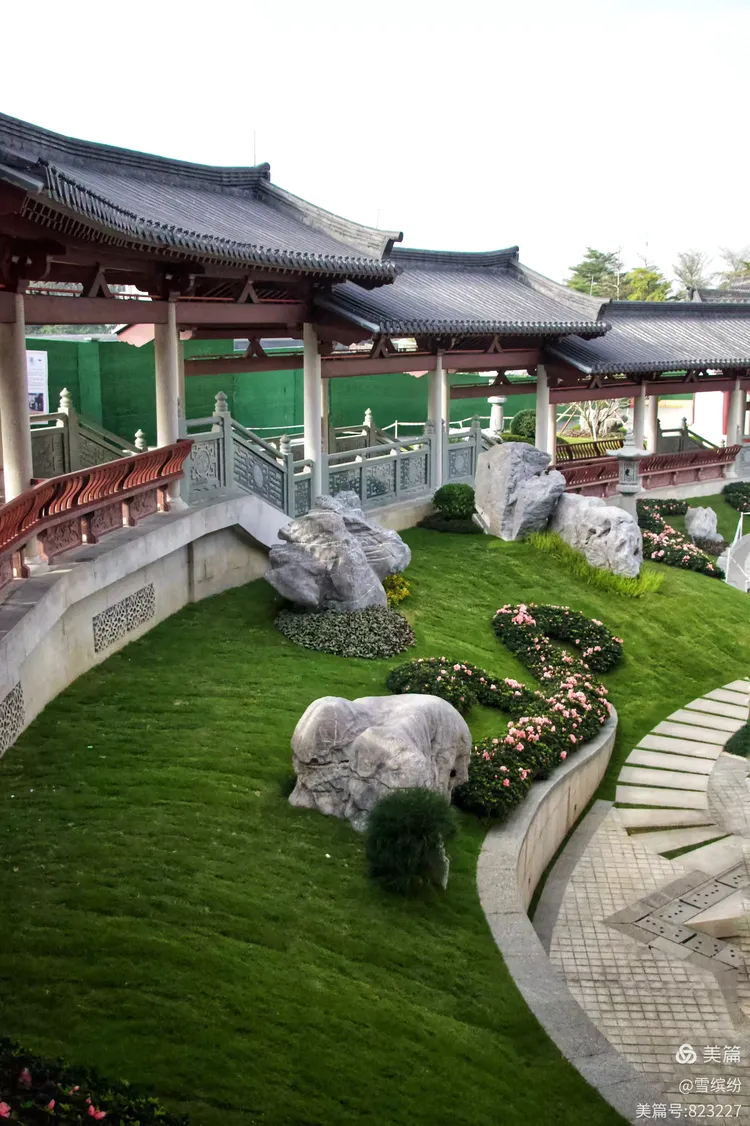
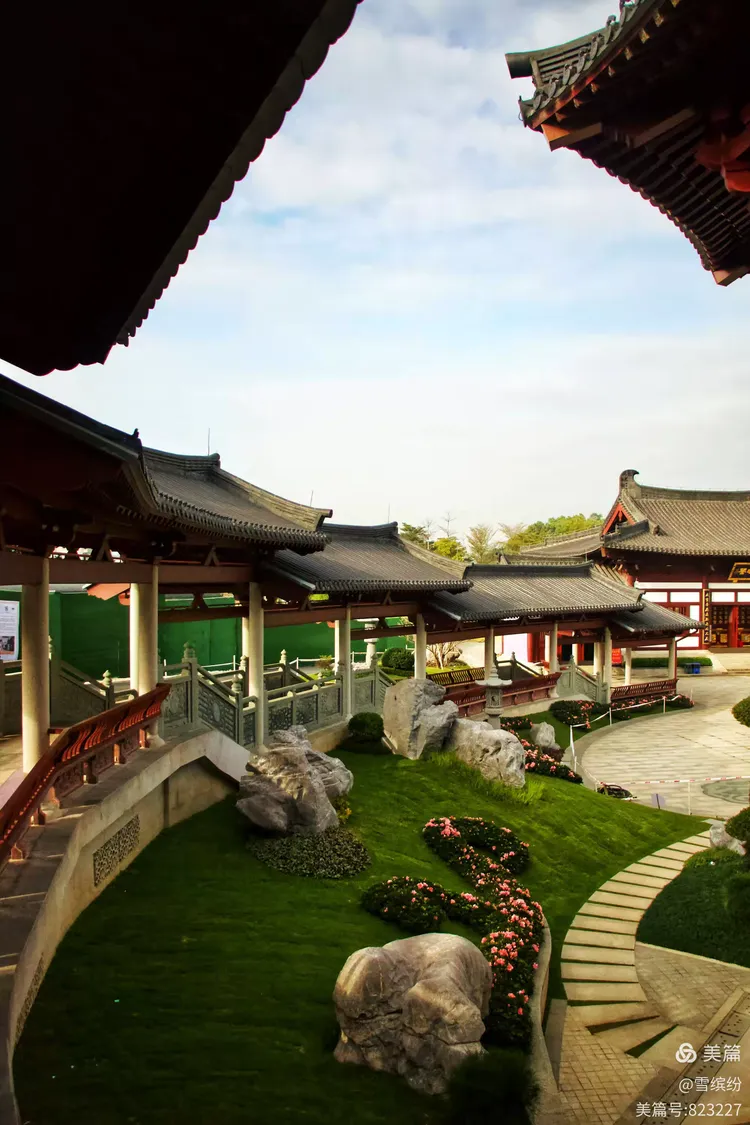
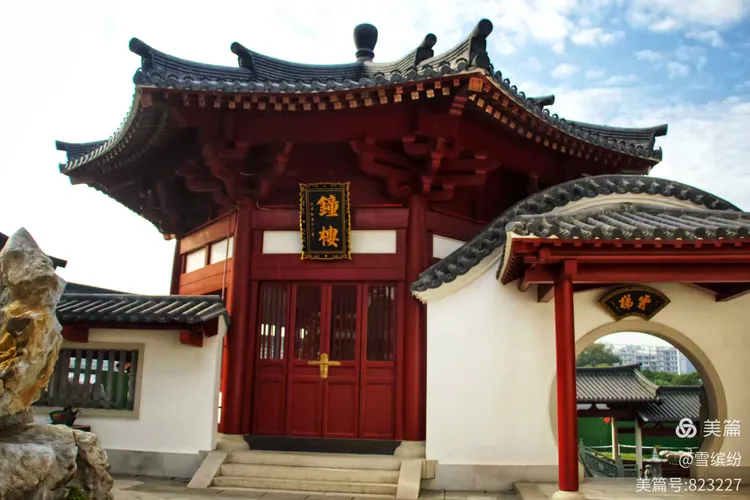
The Bell Tower
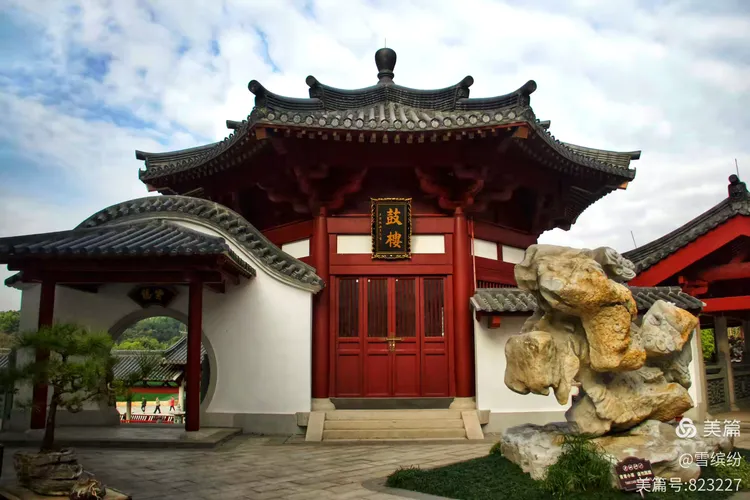
The Drum Tower
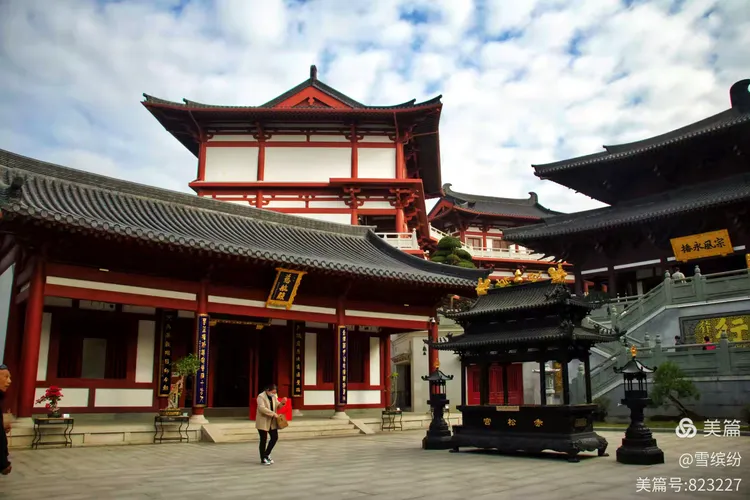
The Cihang Hall
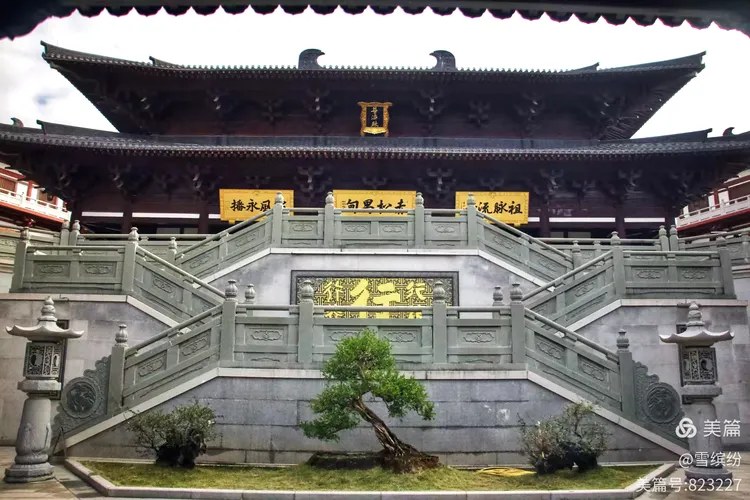
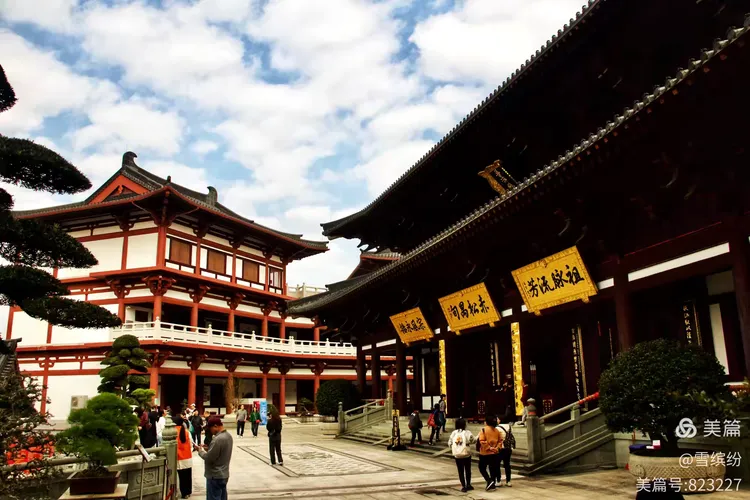
The Puji Hall
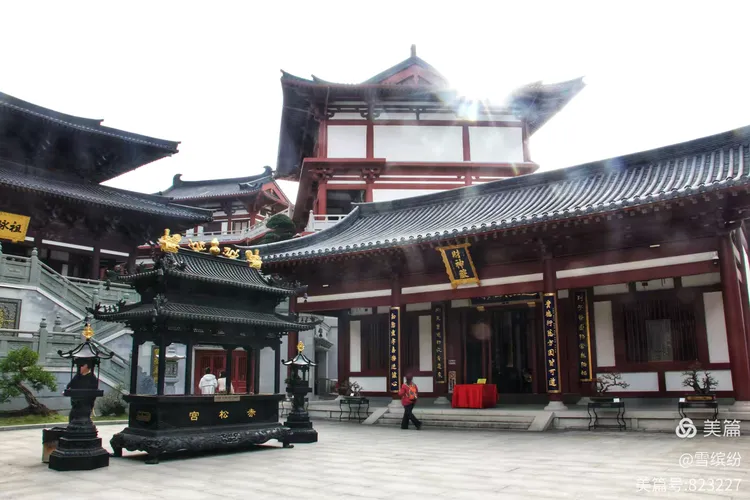
The Hall of the God of Wealth
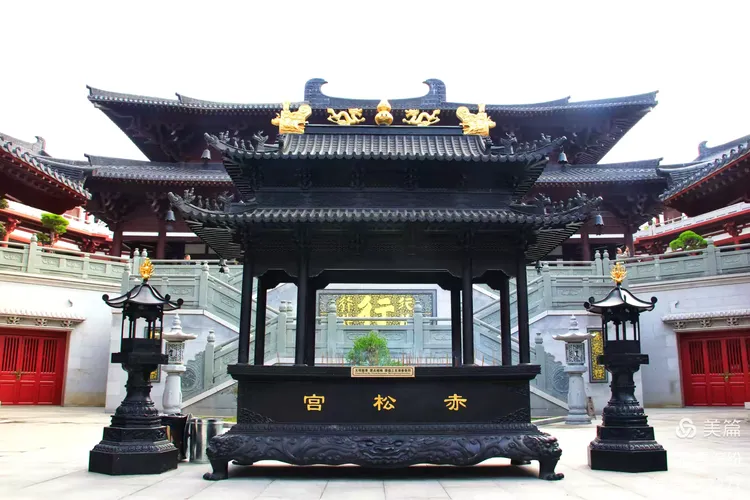
The Chisong Palace
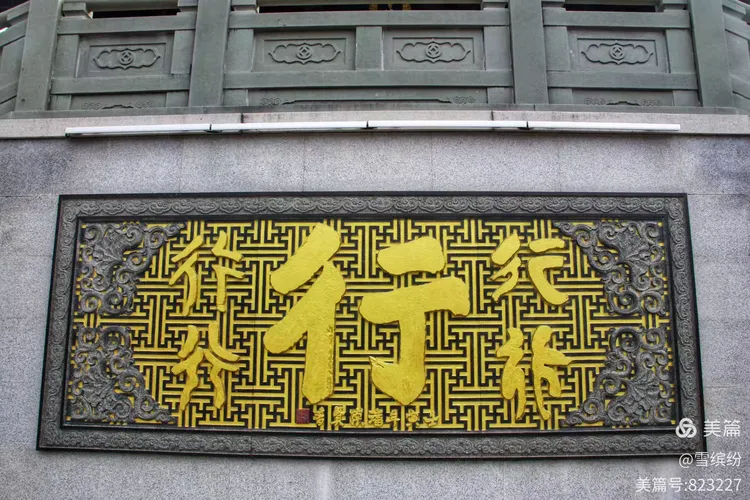
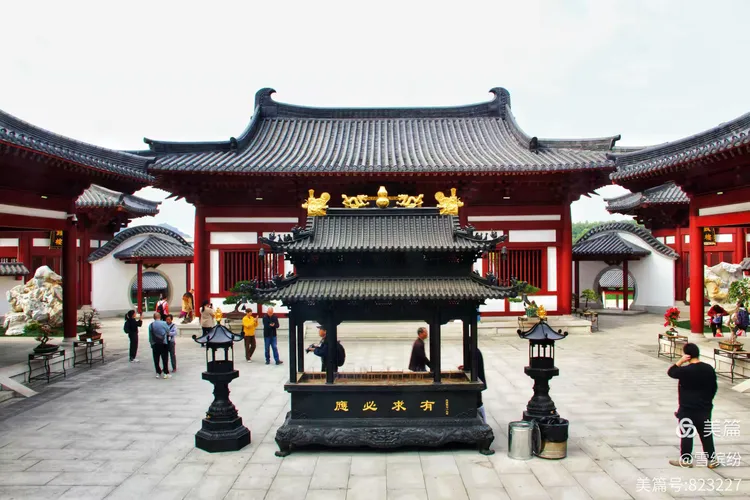
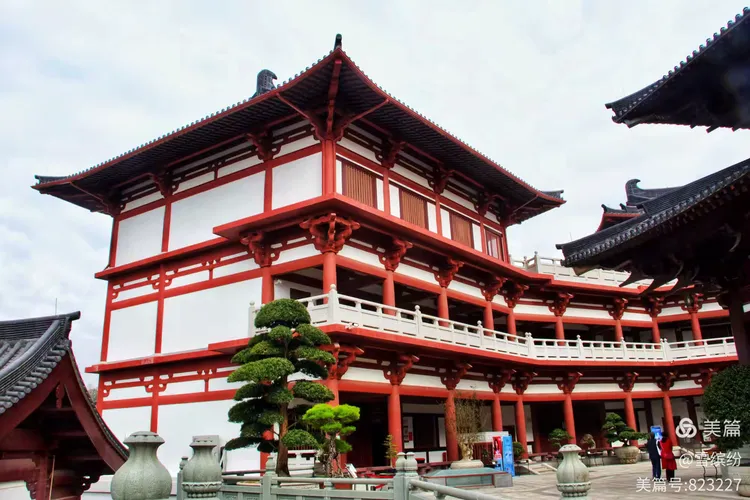
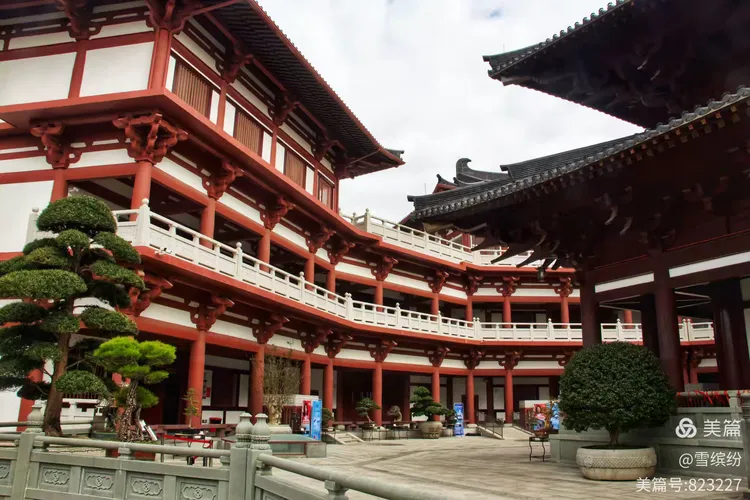
The Puji Hall
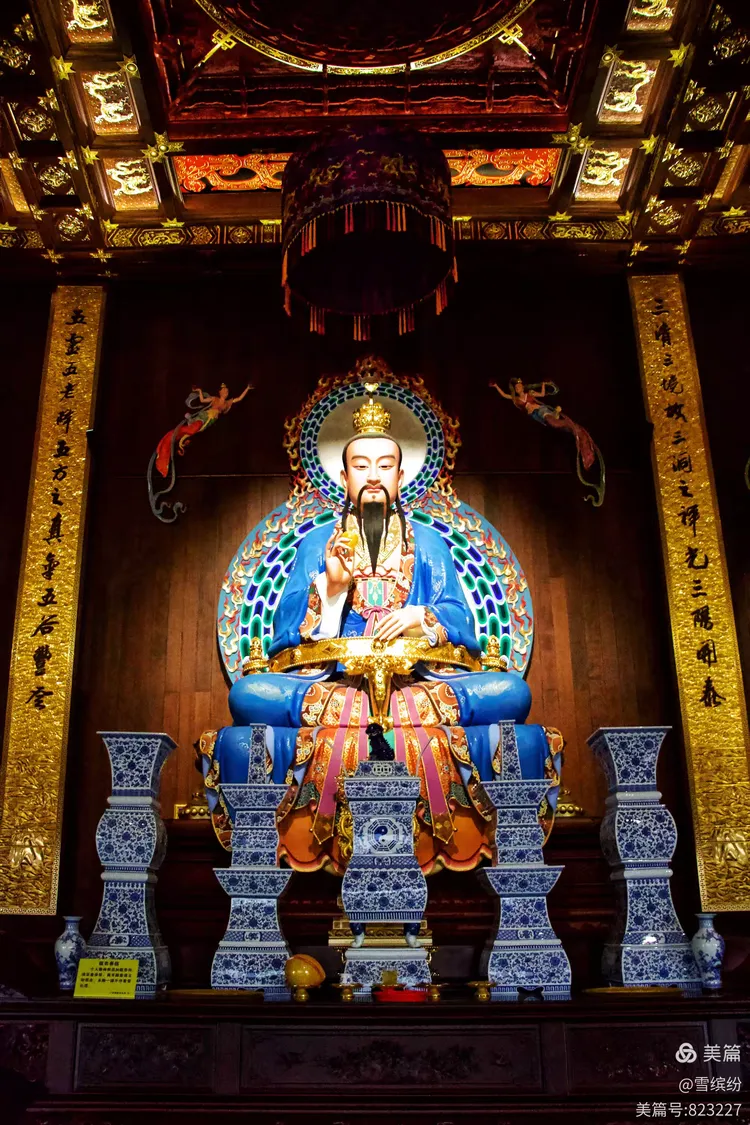
The Puji Hall enshrines Wong Tai Sin (Huang Chuping), also called Wong Tai Sin or Chisongzi. Wong Tai Sin is an important immortal in Taoism. According to the Biographies of Divine Immortals (Shenxian Zhuan), Huang Chuping was a native of Lanxi in Jinhua, Zhejiang. At 15 his family sent him up the mountain to herd sheep, where he met a Taoist priest who led him into a cave on Mount Jinhua, where he cultivated for more than forty years. Having succeeded in his cultivation, he came out of the mountains and spent the rest of his life giving medical care and medicine to the people, accumulating good deeds and virtue far and wide and winning the hearts of the people.
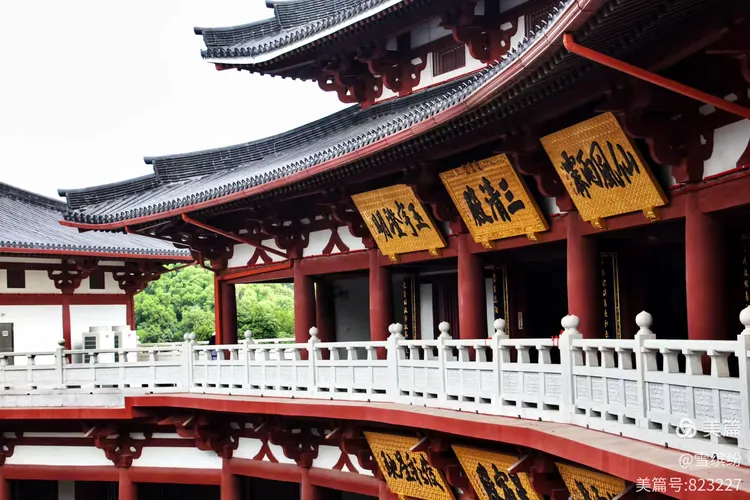
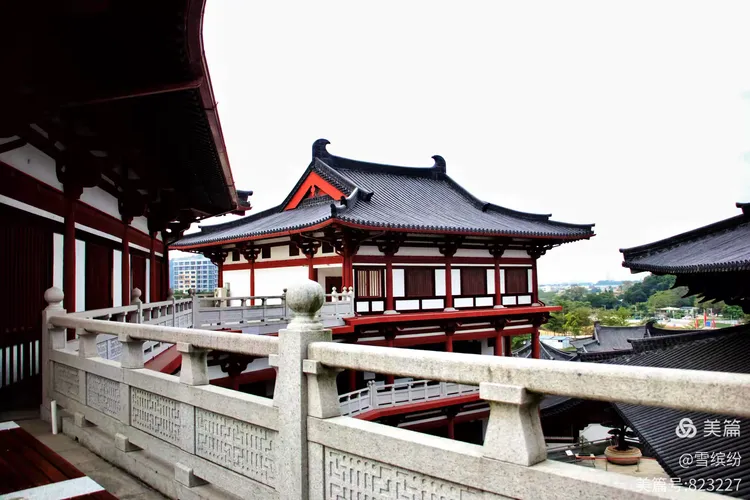
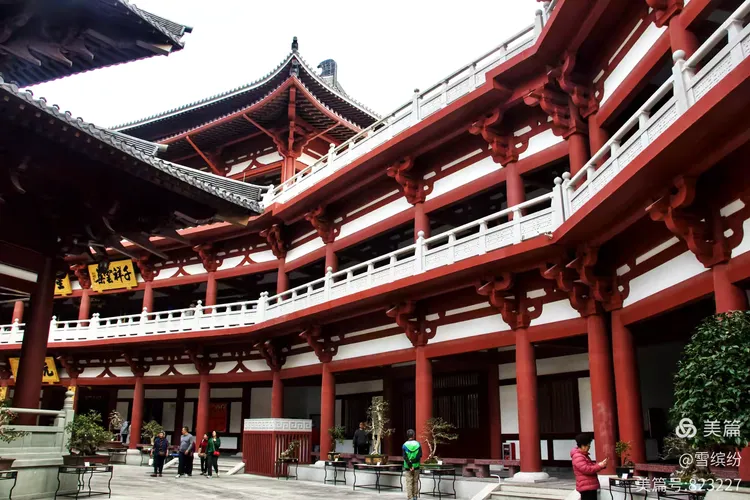
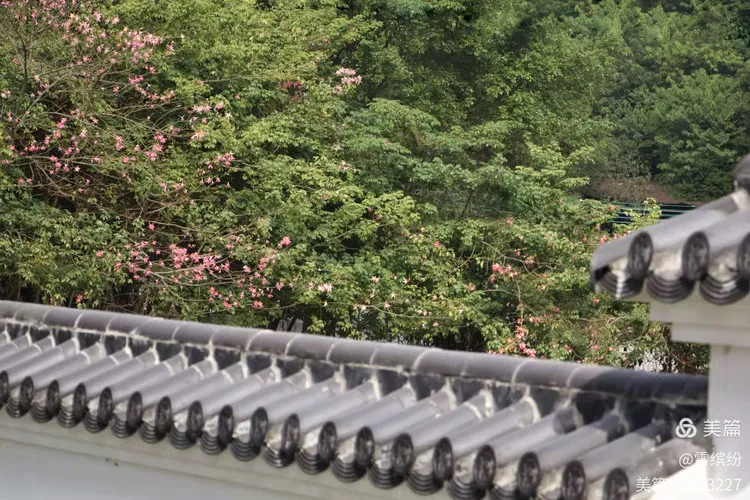
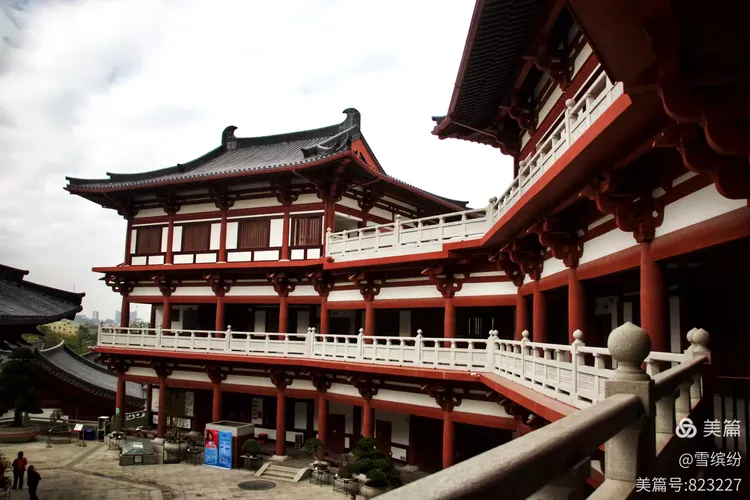
The Chisong Palace is the principal place of worship of Wong Tai Sin. Its architecture combines traditional brick-and-timber construction with modern reinforced concrete, and its Tang-style design is eye-catching.
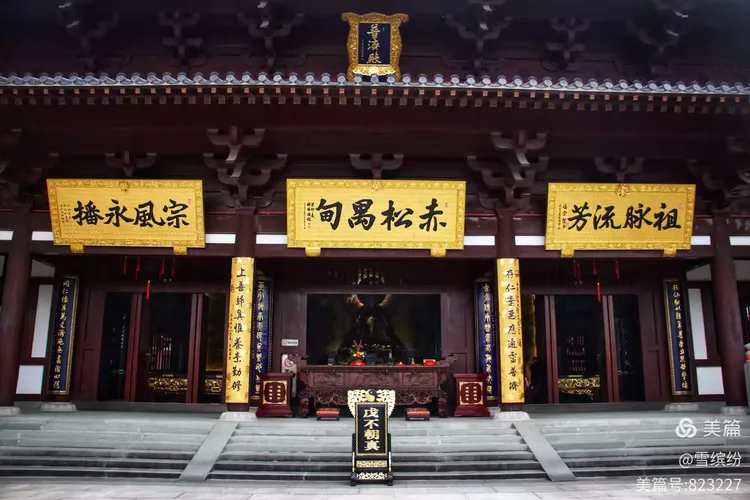
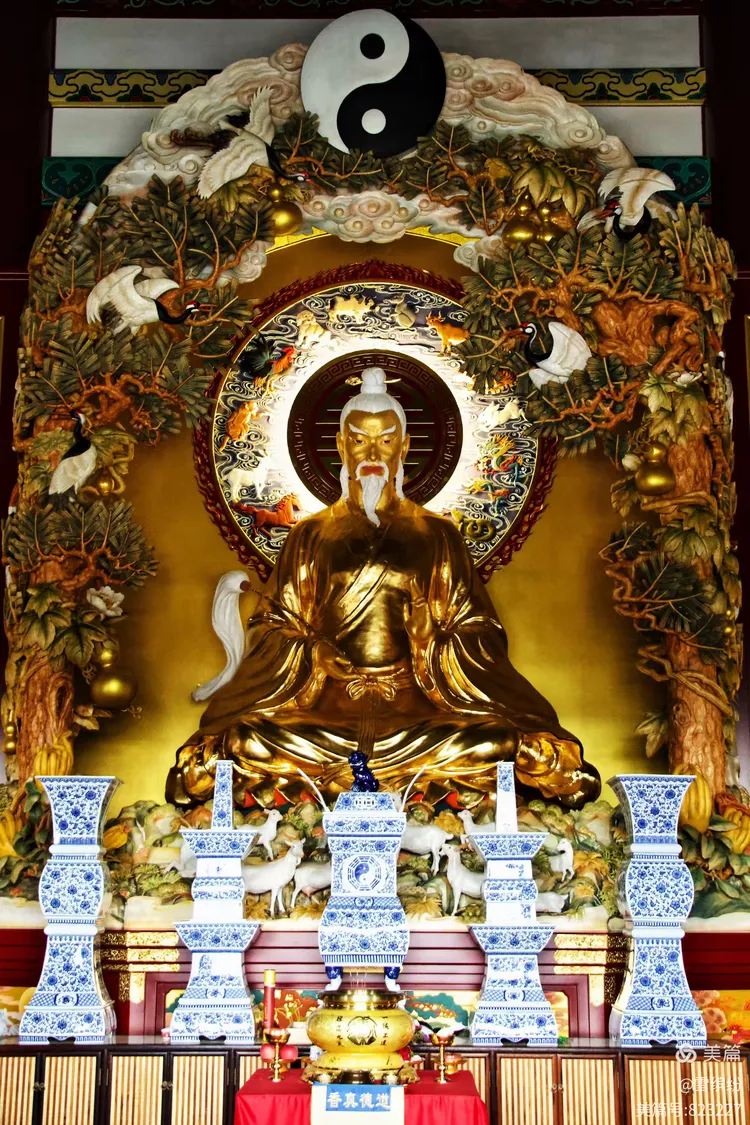
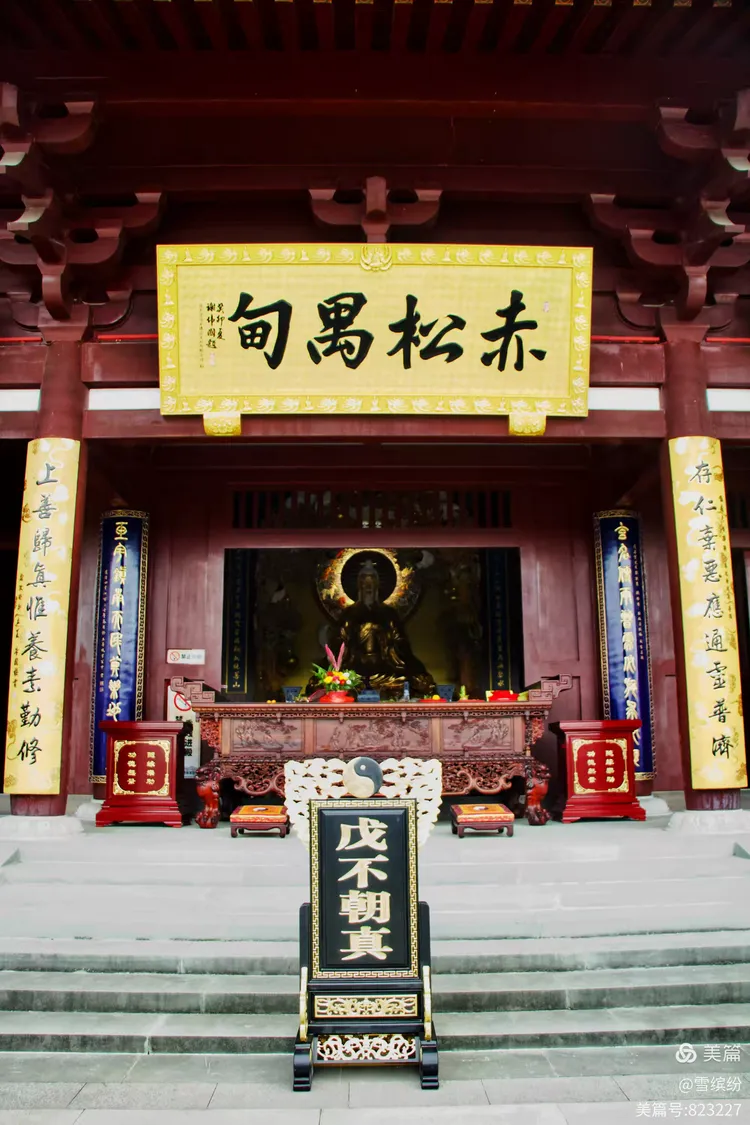
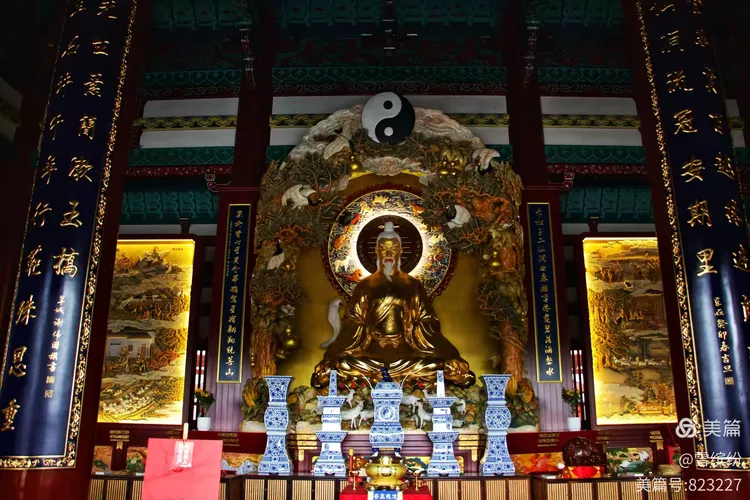
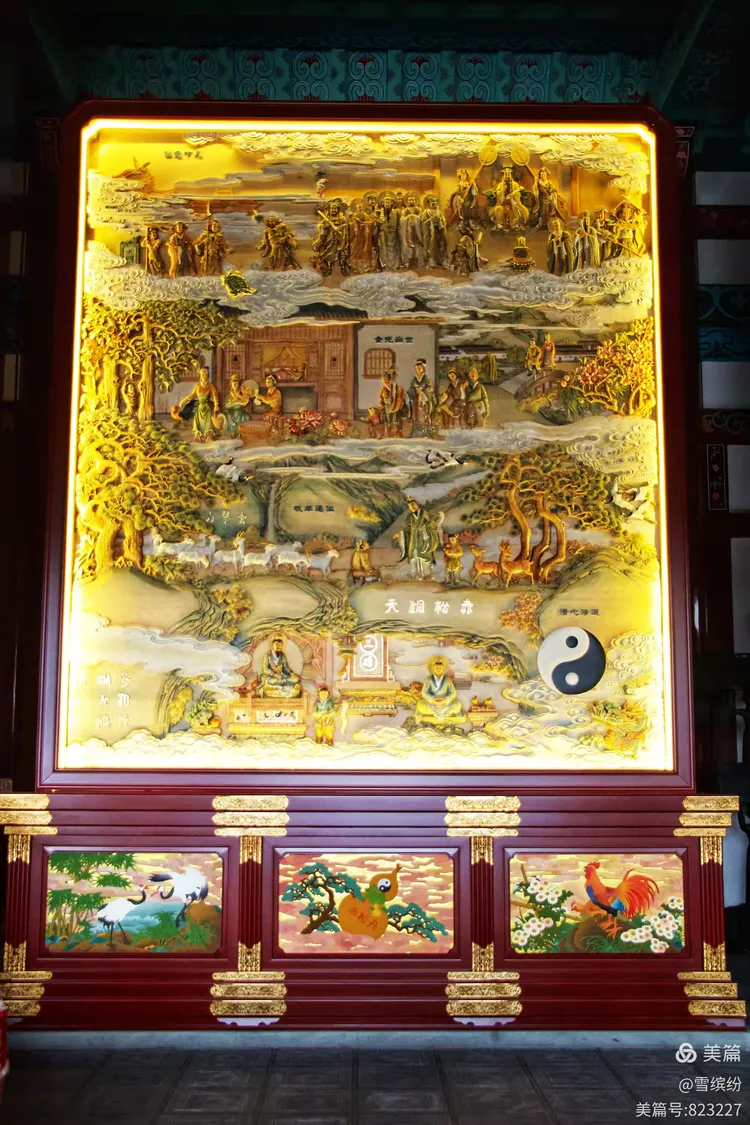
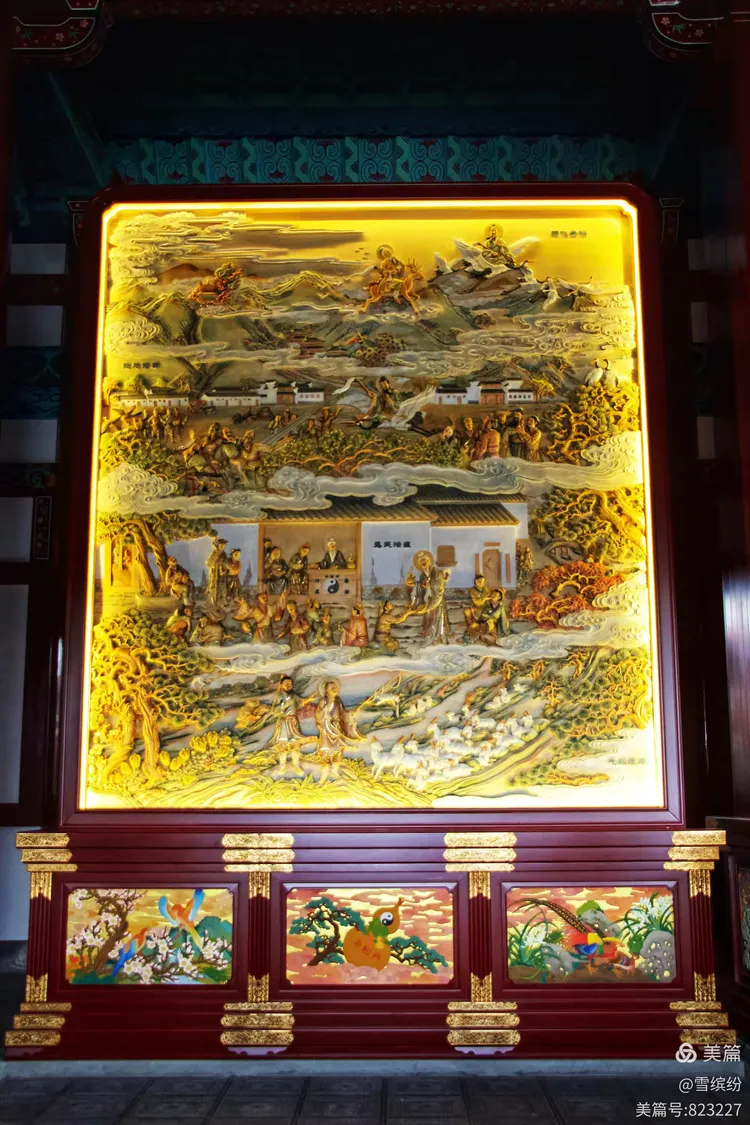
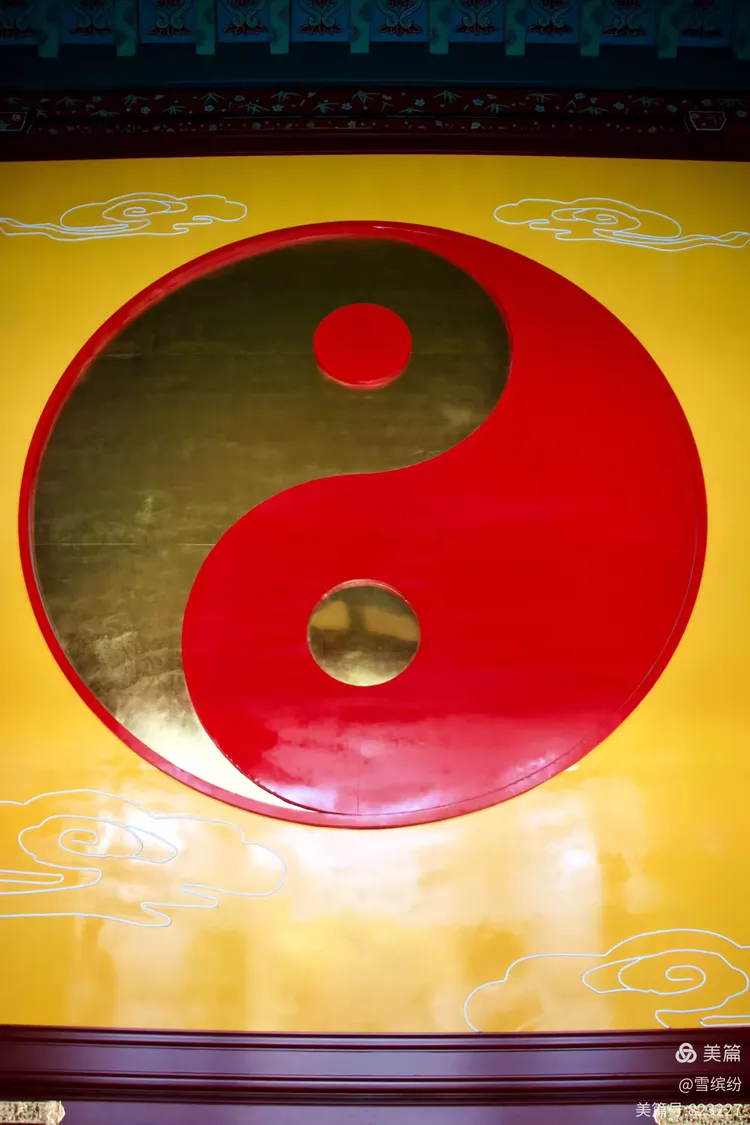
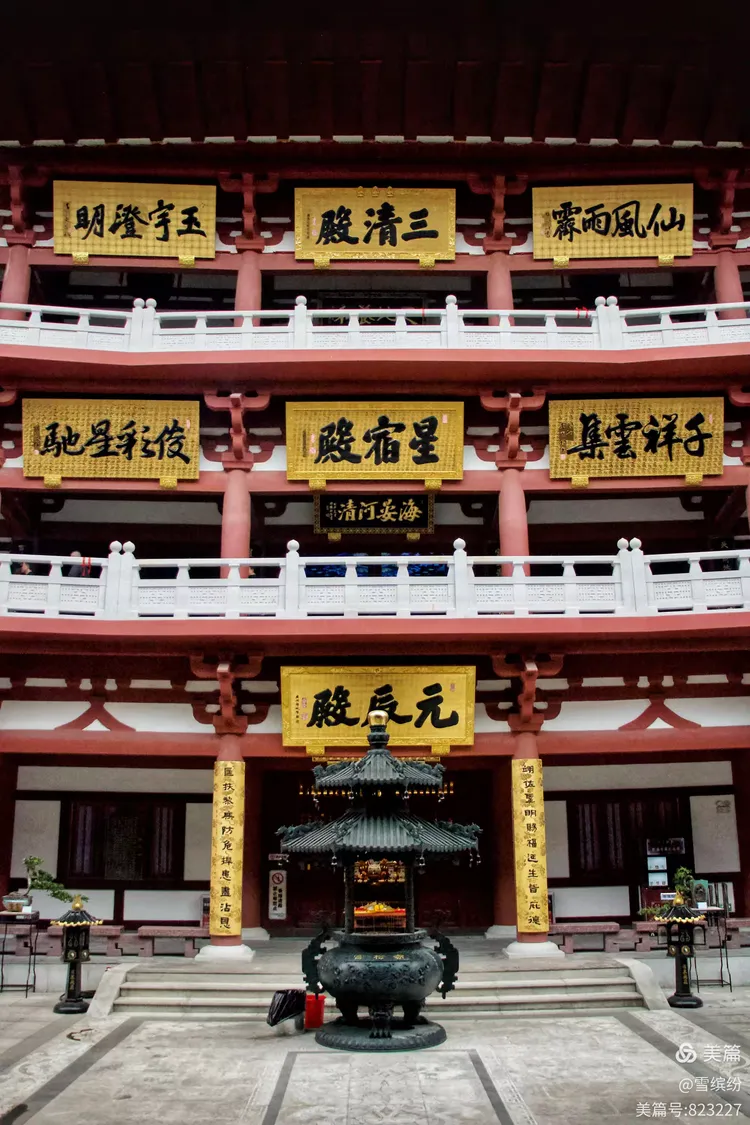
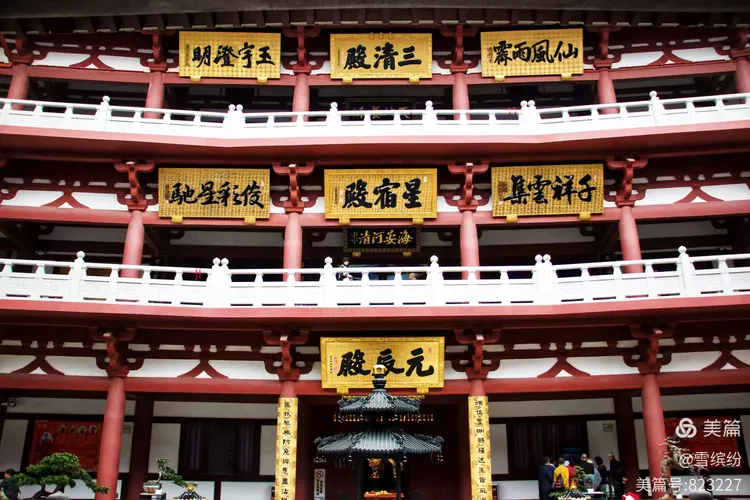
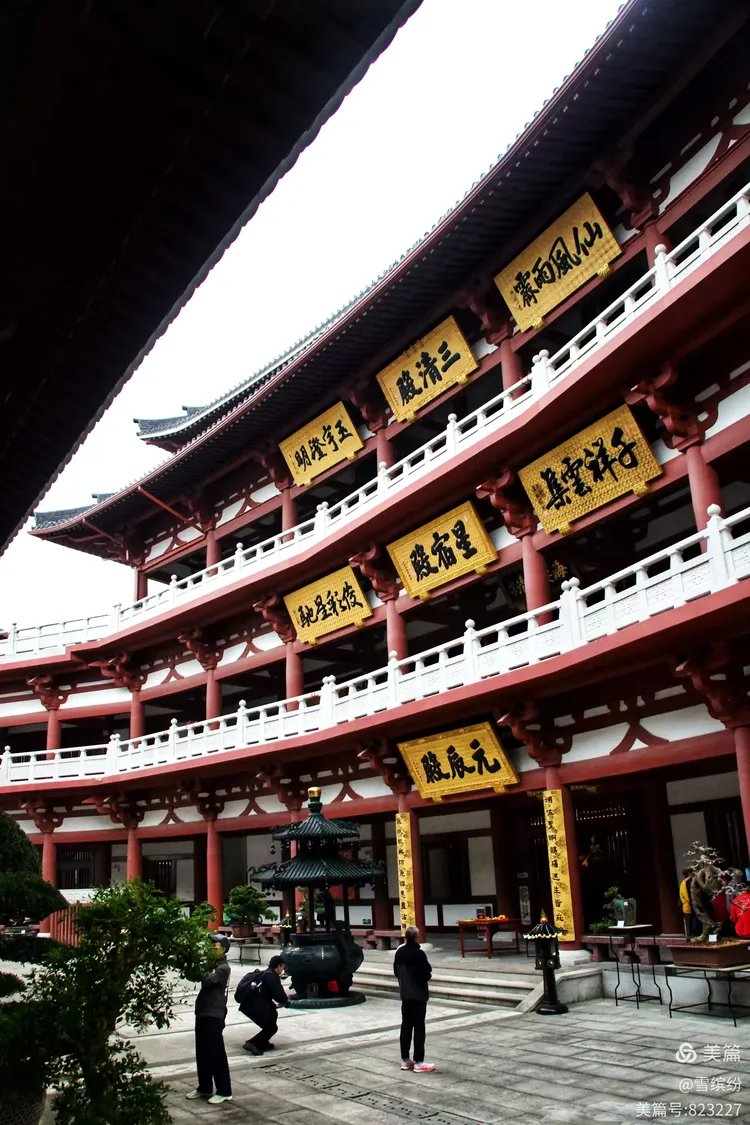
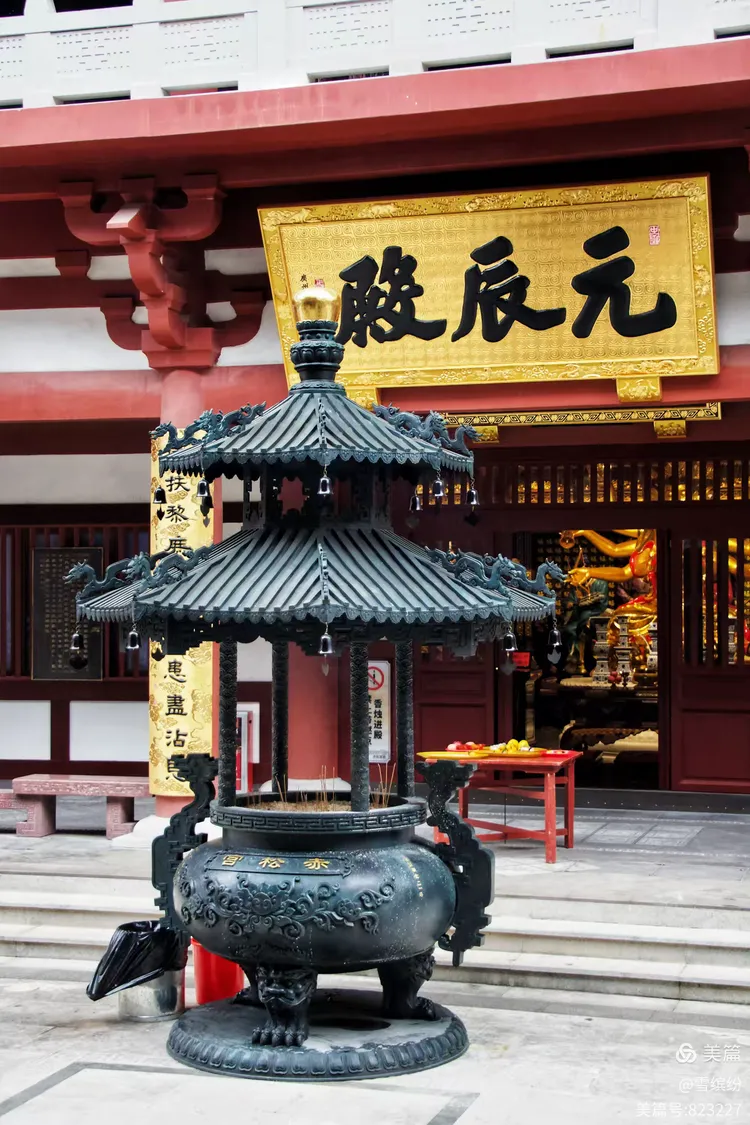
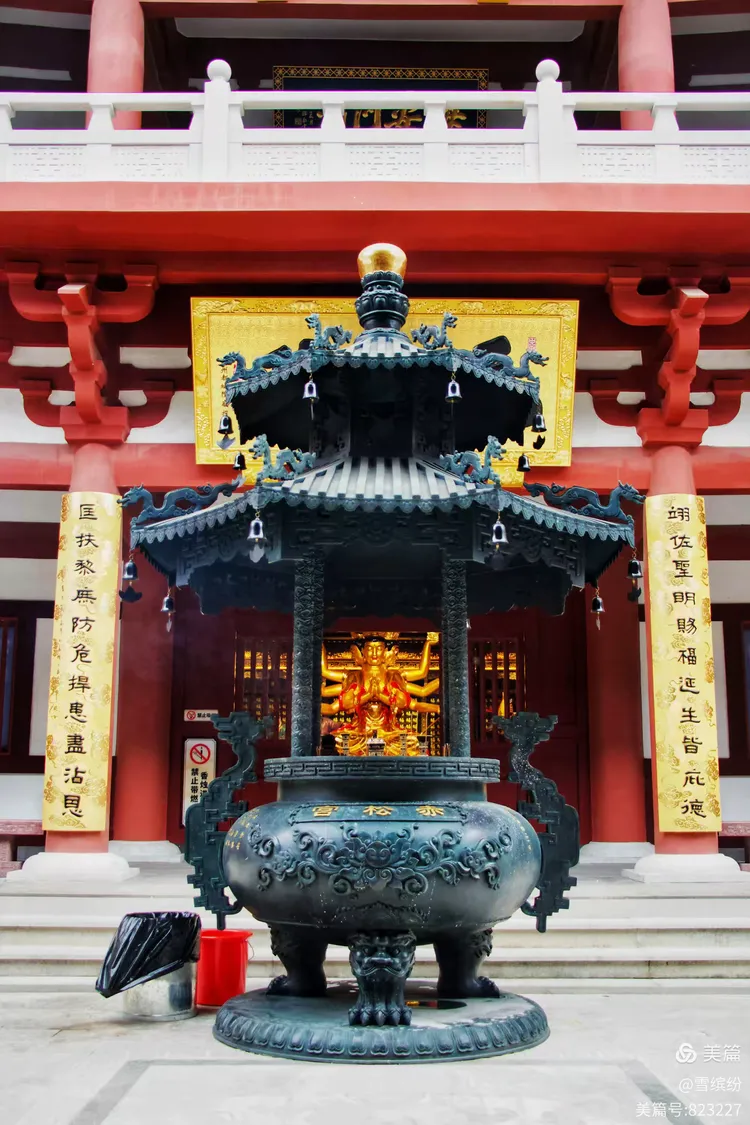
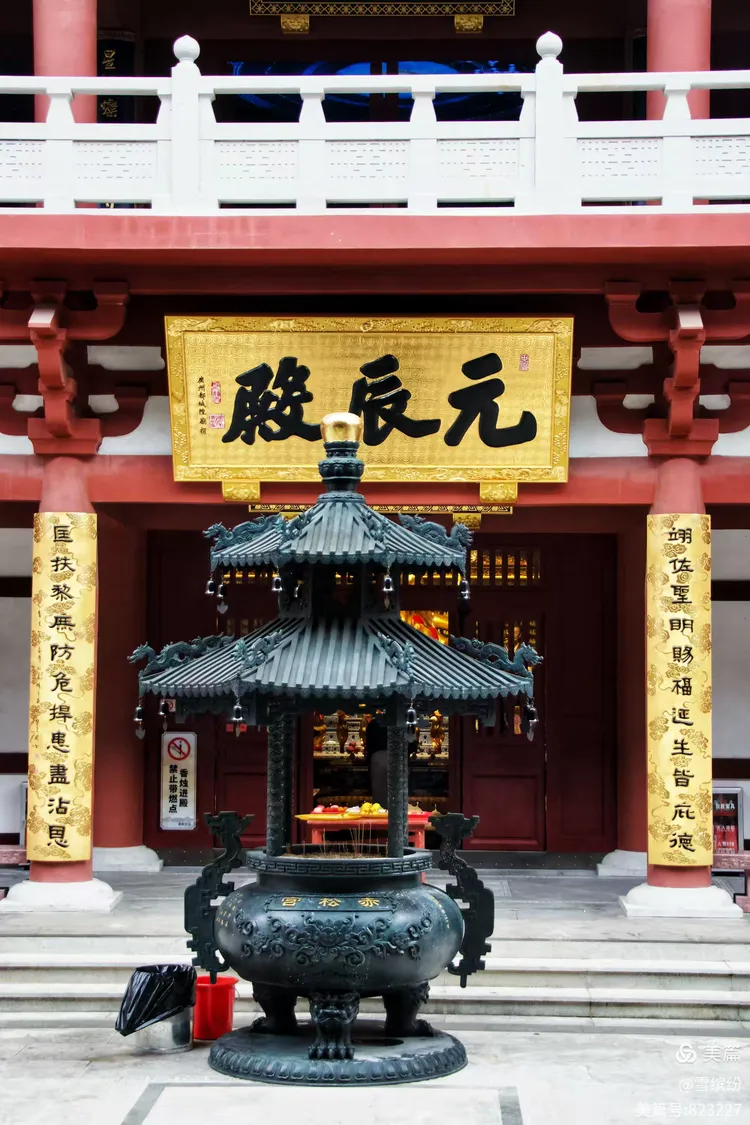
The Yuanchen Hall
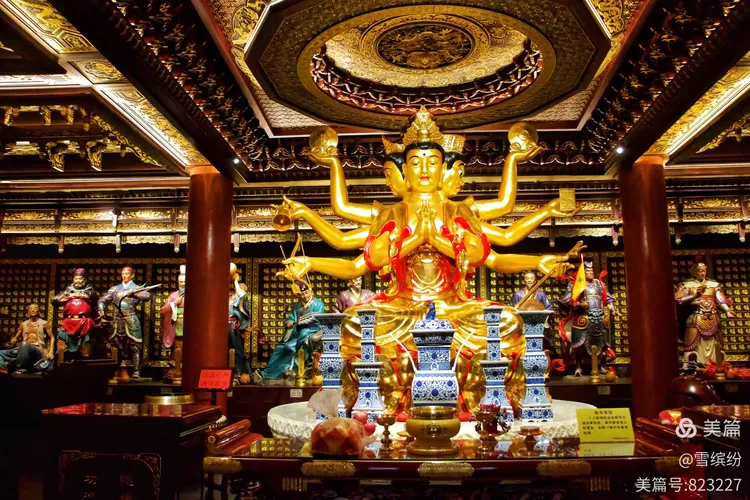
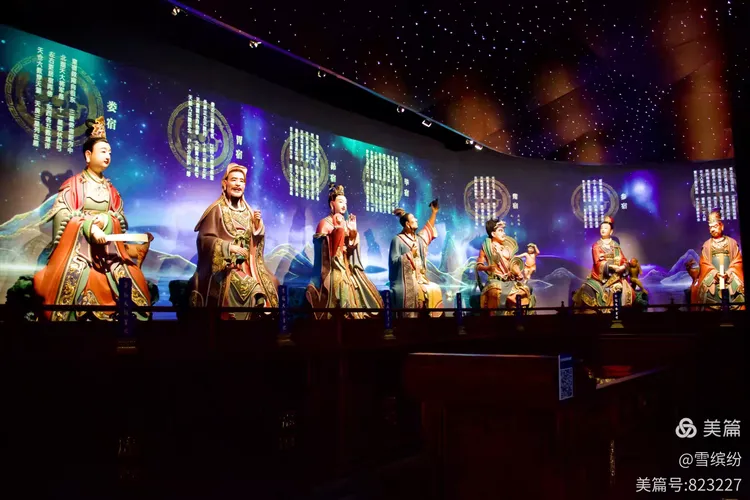
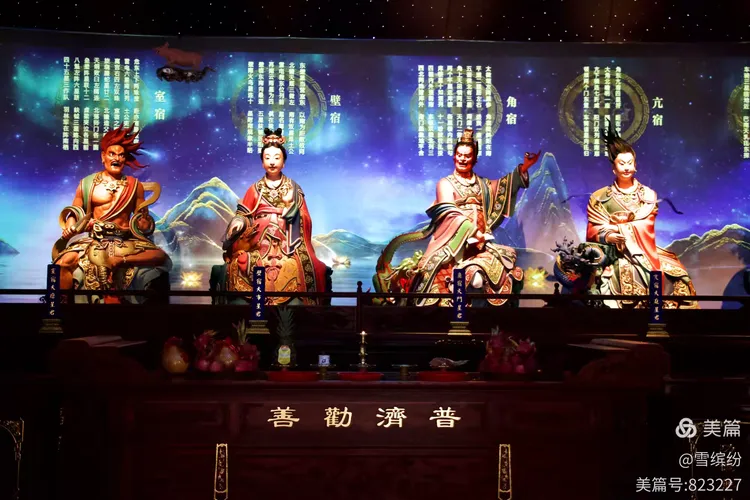
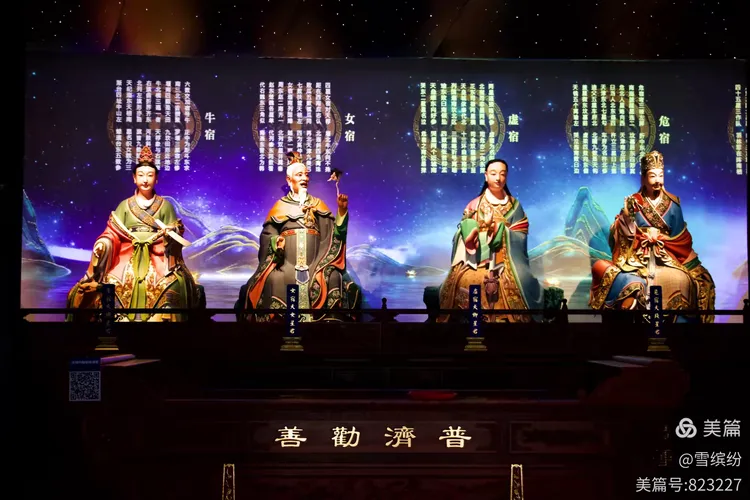
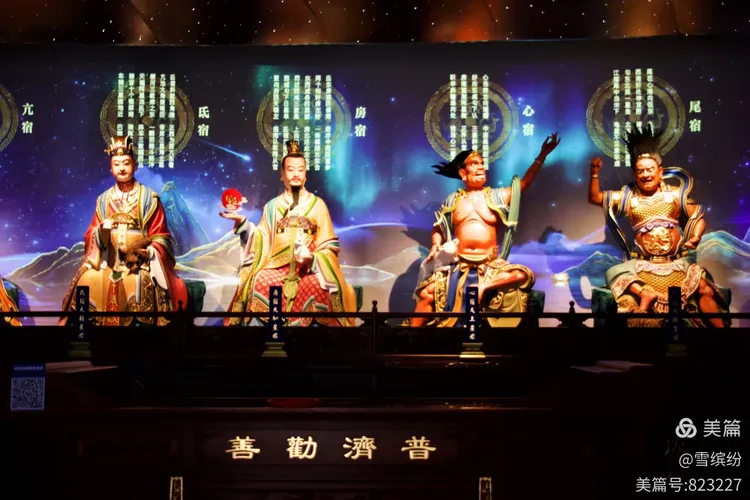
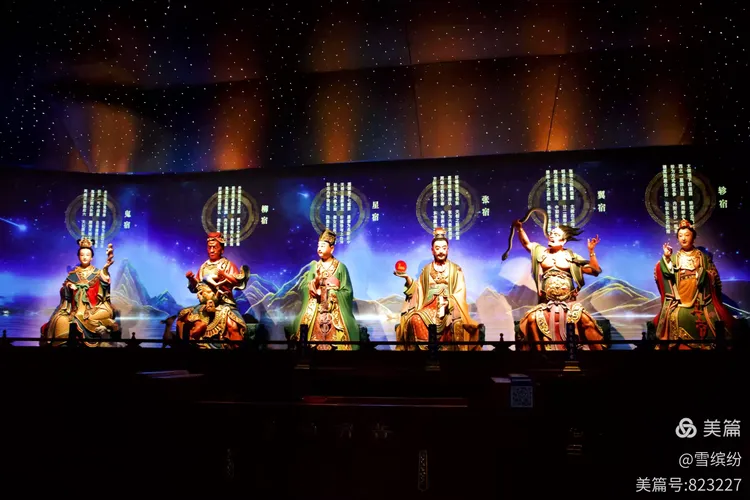
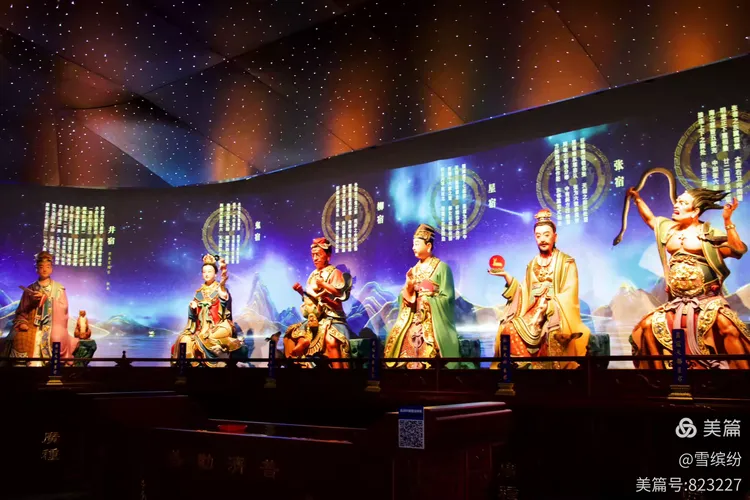
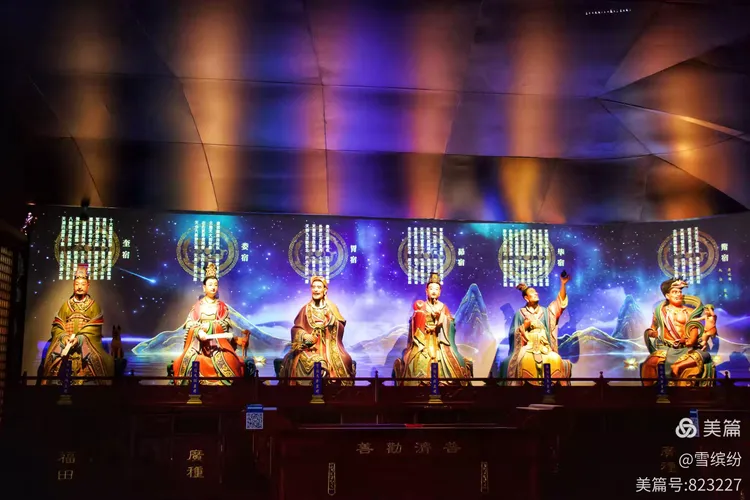
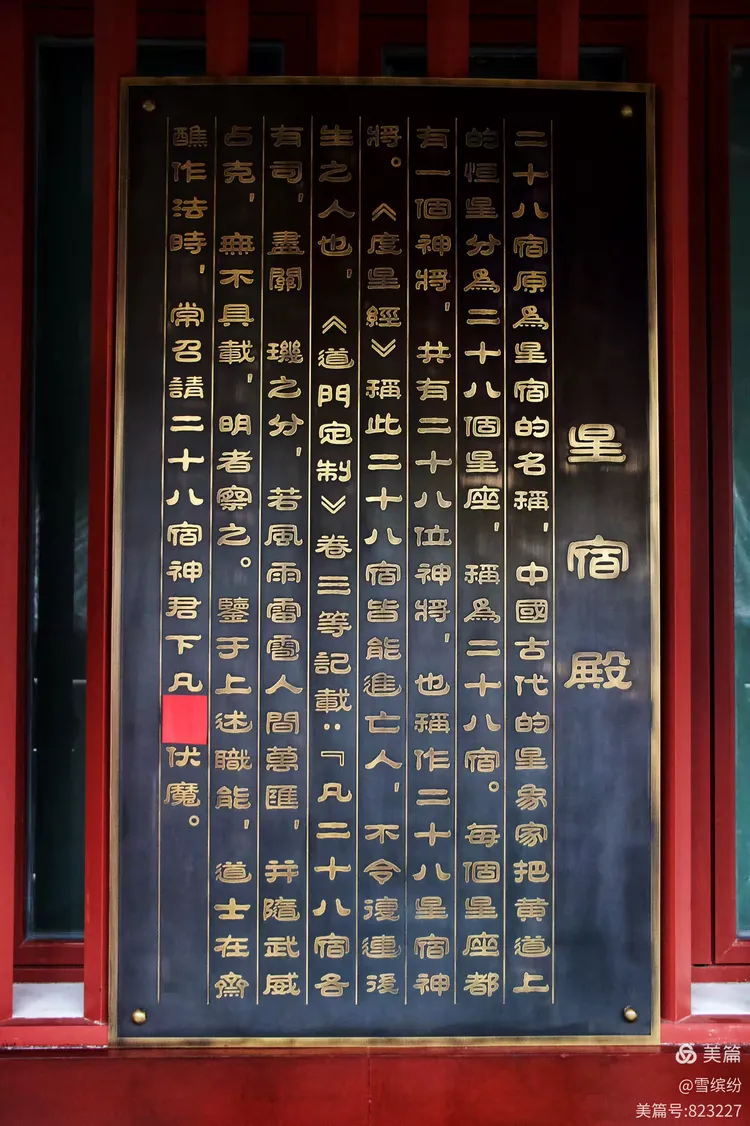
The Twenty-Eight Lunar Mansions are twenty-eight star regions into which ancient Chinese astronomers divided the sky to observe the movements of the sun, the moon, and the five planets. They consist of seven mansions each for the Azure Dragon of the east, the Vermilion Bird of the south, the White Tiger of the west, and the Black Tortoise of the north. In high antiquity, the ancient Chinese looked up at the starry sky along the band near the plane of the ecliptic and divided the star groups near the ecliptic into a number of regions, called the Twenty-Eight Lunar Mansions. They further divided these twenty-eight mansions by direction into four palaces—east, south, west, and north—with seven mansions each, and imagined the seven mansions of each palace linked together as an animal, regarding them as “the four numinous creatures of heaven, which set the four directions aright.” The ancients successively chose twenty-eight star groups near the ecliptic and the celestial equator as coordinates. Because they are ranged around the sun, the moon, and the five planets on all four sides, like lodging places for them, they are called the twenty-eight mansions. The Twenty-Eight Lunar Mansions are used to indicate the positions reached by the sun, the moon, and the five planets in their movements.
As one of the important components of traditional Chinese culture, the Twenty-Eight Lunar Mansions were widely used in ancient astronomy, religion, and literature, and in the numerological arts such as astrology, star-based fate calculation, feng shui, and choosing auspicious days. Different fields gave them different meanings, and the related material is extremely complex.
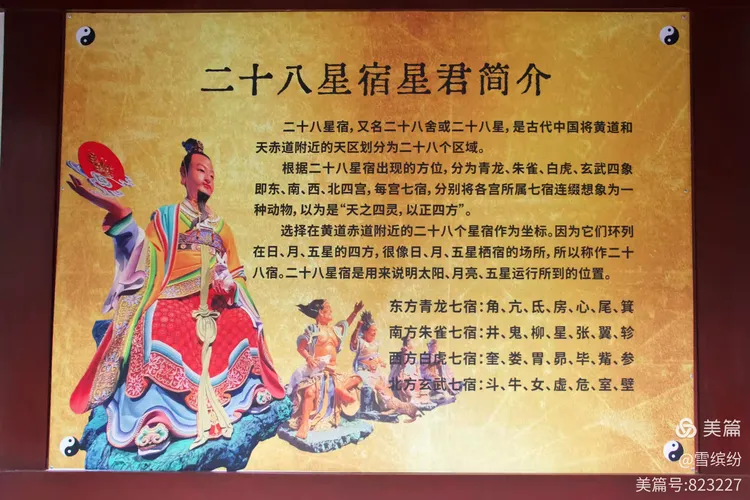
A Brief Introduction to the Star Lords of the Twenty-Eight Lunar Mansions
The Twenty-Eight Lunar Mansions, also called the twenty-eight lodges or twenty-eight stars, are the twenty-eight regions into which the ancient Chinese divided the sky near the ecliptic and the celestial equator. According to the directions in which they appear, they are divided into the Four Symbols—Azure Dragon, Vermilion Bird, White Tiger, and Black Tortoise—that is, the four palaces of east, south, west, and north, with seven mansions each; the seven mansions of each palace were imagined linked together as an animal, regarded as “the four numinous creatures of heaven, which set the four directions aright.” Twenty-eight star groups near the ecliptic and the celestial equator were chosen as coordinates. Because they are ranged around the sun, the moon, and the five planets on all four sides, like lodging places for them, they are called the twenty-eight mansions. The Twenty-Eight Lunar Mansions are used to indicate the positions reached by the sun, the moon, and the five planets in their movements.
The seven mansions of the Azure Dragon of the east: Horn, Neck, Root, Room, Heart, Tail, and Winnowing Basket
The seven mansions of the Vermilion Bird of the south: Well, Ghost, Willow, Star, Extended Net, Wings, and Chariot
The seven mansions of the White Tiger of the west: Legs, Bond, Stomach, Hairy Head, Net, Turtle Beak, and Three Stars
The seven mansions of the Black Tortoise of the north: Dipper, Ox, Girl, Emptiness, Rooftop, Encampment, and Wall
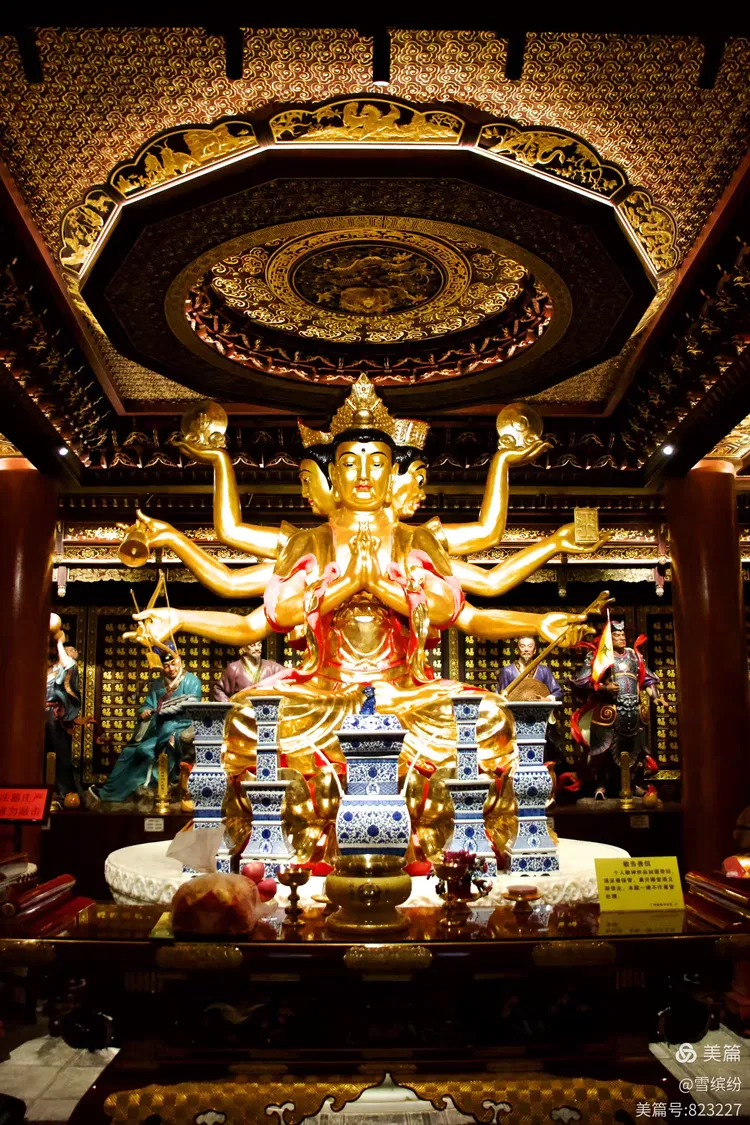
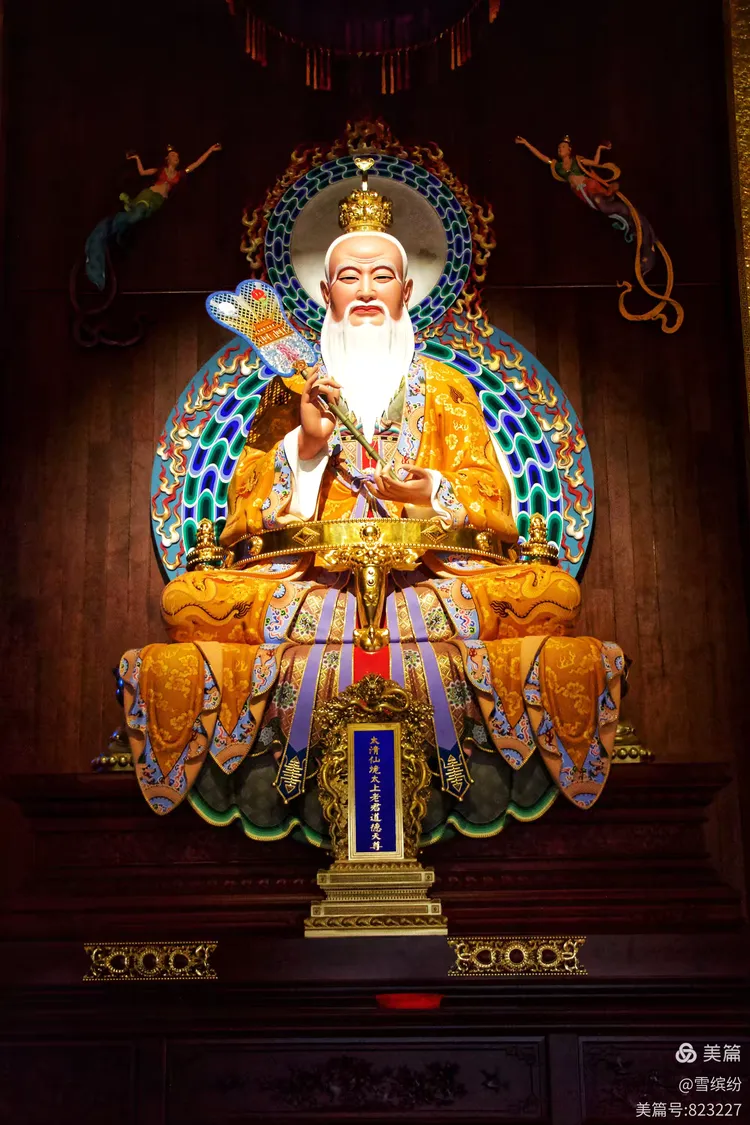
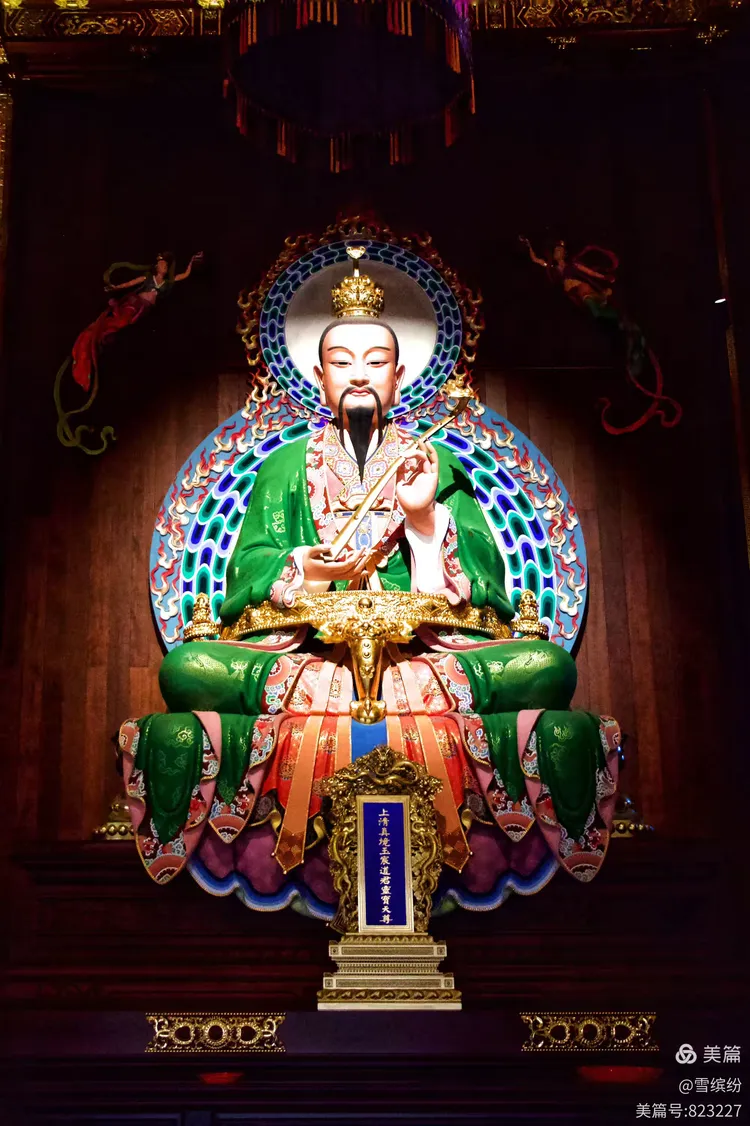
The three statues: the Primordial Heavenly Worthy (Yuanshi Tianzun) of Jade Clarity, the Heavenly Worthy of Numinous Treasure (Lingbao Tianzun) of Highest Clarity, and the Heavenly Worthy of the Tao and Its Virtue (Daode Tianzun) of Grand Clarity. The statues enshrined in the Hall of the Three Pure Ones at the Chisong Palace in Guangzhou are the Primordial Heavenly Worthy of Jade Clarity, the Heavenly Worthy of Numinous Treasure of Highest Clarity, and the Heavenly Worthy of the Tao and Its Virtue of Grand Clarity. The Primordial Heavenly Worthy of Jade Clarity is the embodiment of the Tao and the god who opened heaven and earth in Taoism; he dwells in the Realm of Jade Clarity, is also called the Primordial Heavenly King, and is honored as “the Treasure of the Tao.” The Heavenly Worthy of Numinous Treasure of Highest Clarity dwells in the Realm of Highest Clarity and is an embodiment of the Tao; he is also called the Most High Lord of the Tao and the Great Emperor of Highest Clarity, and is honored as “the Treasure of the Scriptures.” The Heavenly Worthy of the Tao and Its Virtue of Grand Clarity dwells in the Realm of Grand Clarity; he is also called Lord Lao the Most High (Taishang Laojun) and the Great Emperor of Grand Clarity, and is honored as “the Treasure of the Masters.”
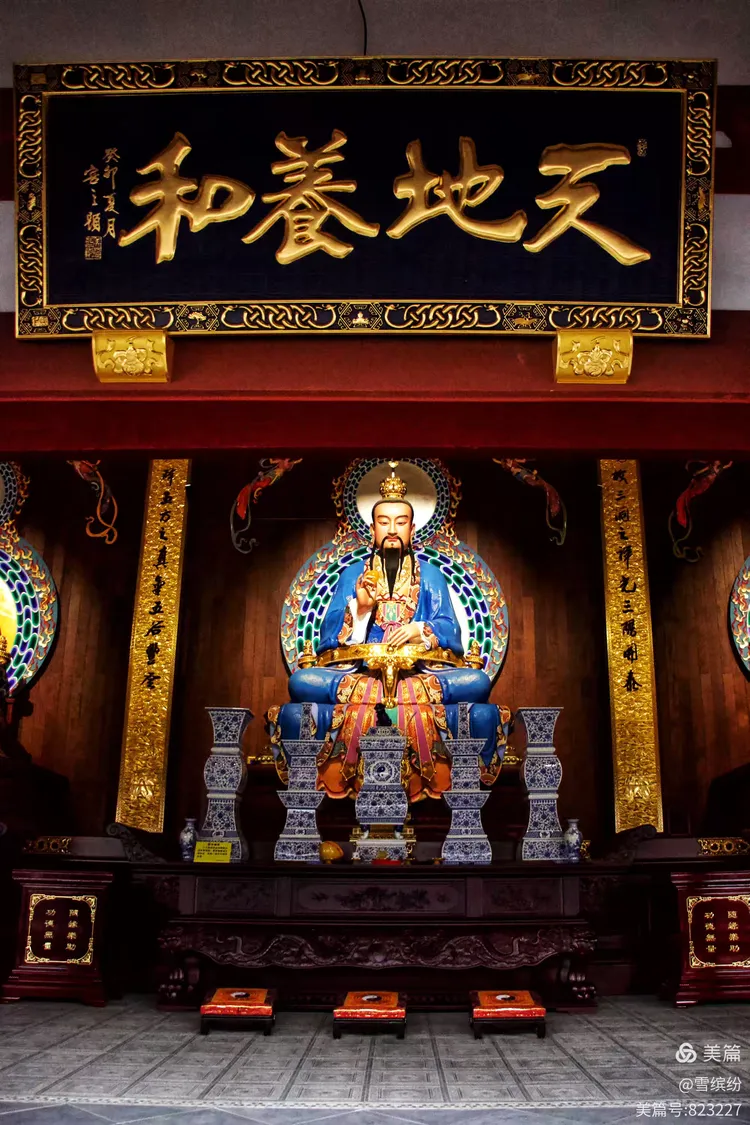
(The following accounts of the ritual implements come from the novel Investiture of the Gods (Fengshen Yanyi).)
The ritual implement held by the Heavenly Worthy of the Tao and Its Virtue of Grand Clarity (Lord Lao the Most High) is the Diagram of the Supreme Ultimate, the implement with which he attested his attainment of the Tao. It can shatter heaven and earth and sever past from present; when unrolled it forms a world of its own, immune to all magical attacks. Lord Lao's Diagram of the Supreme Ultimate displays the harmony and balance of the cosmos. These implements not only represent the power and standing of the deities but also embody the Taoist view of the cosmos and ideas of spiritual practice.
The ritual implement held by the Heavenly Worthy of Numinous Treasure of Highest Clarity is the Immortal-Slaying Sword Formation, a sword array made up of four divine swords (the Immortal-Killing Sword, the Immortal-Slaying Sword, the Immortal-Trapping Sword, and the Immortal-Annihilating Sword) and a formation diagram. It is immensely powerful, able to defeat even the golden immortals of Daluo. The Heavenly Worthy of Numinous Treasure's Immortal-Slaying Sword Formation embodies great offensive power. These implements not only represent the power and standing of the deities but also embody the Taoist view of the cosmos and ideas of spiritual practice.
The ritual implement held by the Primordial Heavenly Worthy of Jade Clarity is the Pangu Banner, a treasure given to him by the Patriarch Hongjun. It can tear apart primordial chaos and split time and space, and its power is enormous. The Primordial Heavenly Worthy's Pangu Banner symbolizes the power of creation. These implements not only represent the power and standing of the deities but also embody the Taoist view of the cosmos and ideas of spiritual practice.