
Chiyang Daoren, Eastern Taoism
The Dongyue Temple of Beijing, at 141 Chaoyangmenwai Street, Chaoyang District, Beijing, is the largest and best-preserved surviving temple of the Zhengyi (Orthodox Unity) school of Taoism in North China.
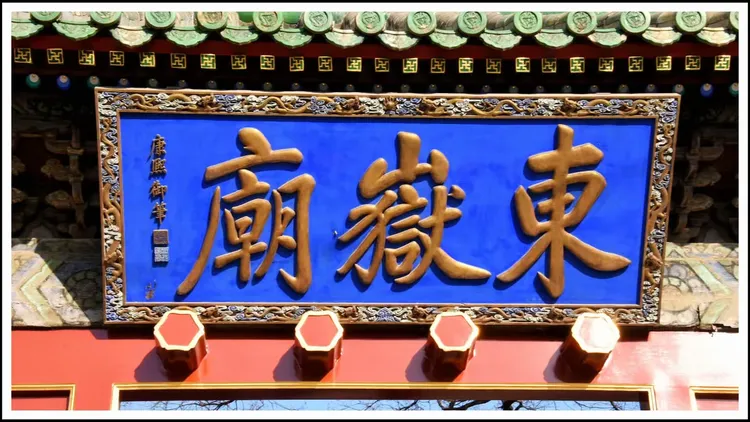
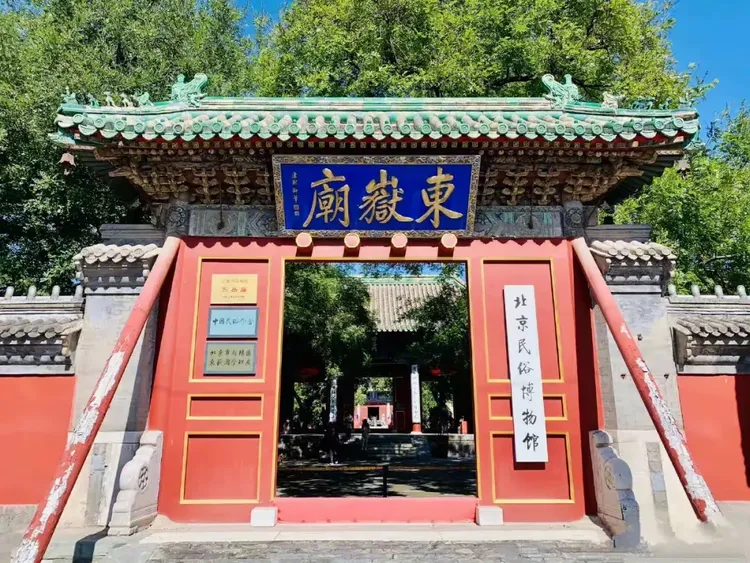
The chief deity of the Dongyue Temple is the Great Emperor of the Eastern Peak, who governs life and death, fortune and misfortune. Its highlight is the group of clay figures of the “Seventy-Six Departments,” which vividly presents the Taoist vision of the underworld and has great artistic and folkloric value. The temple also preserves steles from the Yuan, Ming, and Qing dynasties, including celebrated calligraphy by the family of Zhao Mengfu. Today it also serves as the Beijing Folk Custom Museum, a treasure house of physical evidence for the study of ancient architecture, Taoist belief, and folk culture.
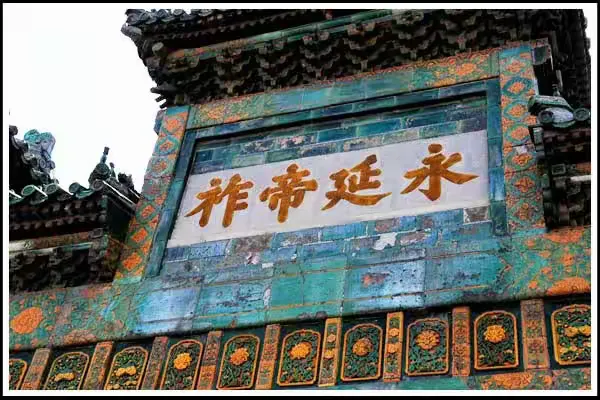
The Dongyue Temple of Beijing was first built in the Yuan dynasty, by imperial order, by Zhang Liusun, the famous Yuan Taoist priest and founder of the Xuanjiao (Mysterious Teaching), and his disciple Wu Quanjie. Zhang Liusun was granted the title “Great Patriarch of the Xuanjiao” by Emperor Chengzong of the Yuan. Construction began in the sixth year of the Yanyou era of the Yuan (1319) and was largely completed by the third year of the Zhizhi era (1323).
In the Ming and Qing dynasties it was frequently repaired and expanded. Valued and supported by the imperial family, it flourished with incense offerings.
The chief deity of the Dongyue Temple of Beijing is the Great Emperor of the Eastern Peak, that is, the god of Mount Tai. Mount Tai, first of the Five Sacred Peaks, holds an exalted place in traditional Chinese culture and has been regarded as “the ancestor of all mountains, the head of the Five Peaks, the grandson of the Heavenly Emperor, and the abode of gods and spirits.” The Great Emperor of the Eastern Peak is considered one of the highest deities, governing life and death, fortune and misfortune in the human world, the affairs of the underworld, and the rewarding of good and punishing of evil. He oversees the Seventy-Six Departments (or Seventy-Five Departments) of the underworld.
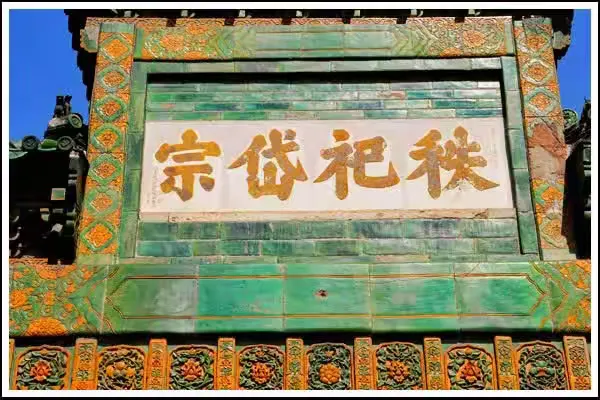
The Dongyue Temple of Beijing faces south, with magnificent buildings and a rigorous layout in the typical style of traditional Chinese temples. The main buildings are arranged along the central axis, including: the glazed-tile memorial archway, on Shenlu Street in front of the temple, which is exquisitely made.
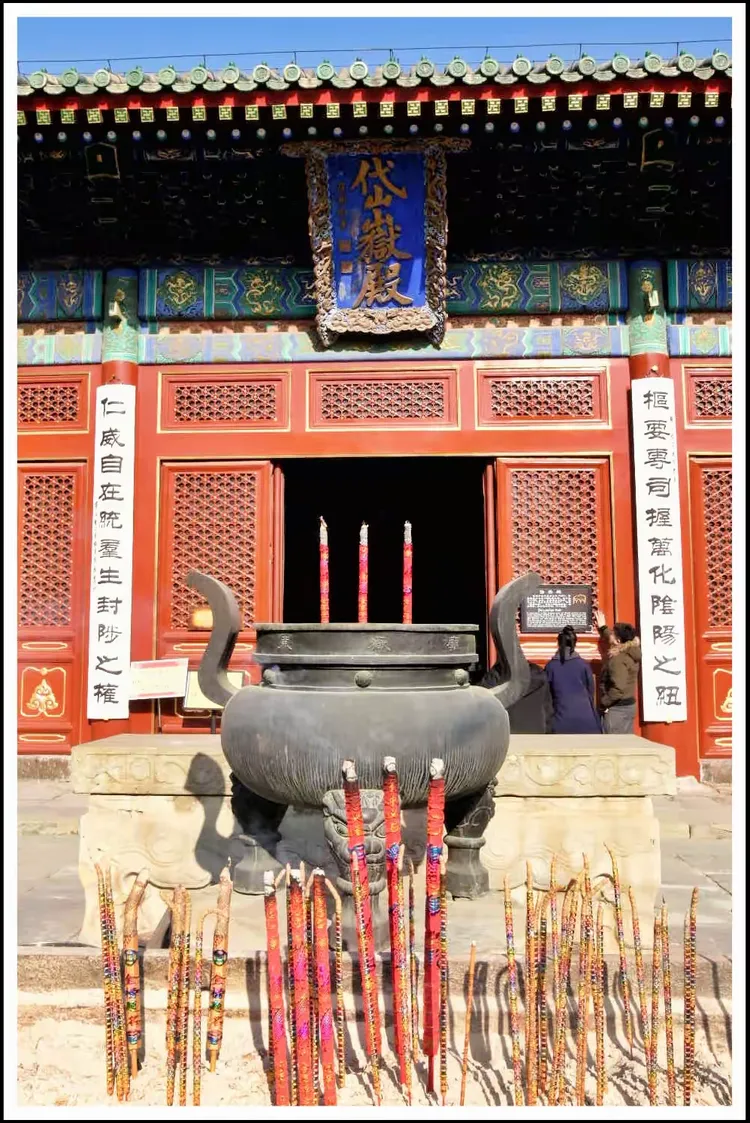
The Hall of the Precious Peak of Dai, the main hall of the Dongyue Temple, enshrining the Great Emperor of the Eastern Peak. The hall is grand and imposing, and its divine statues solemn.
The Rear Building, enshrining the consort of the Great Emperor of the Eastern Peak, Empress Shuming Kunde.
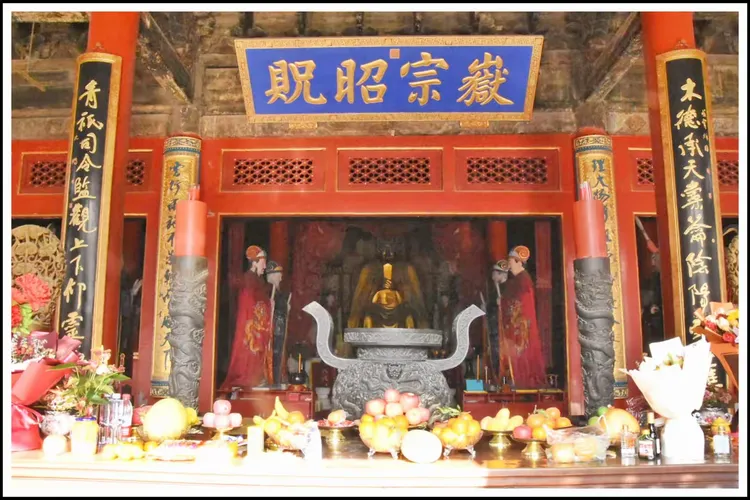
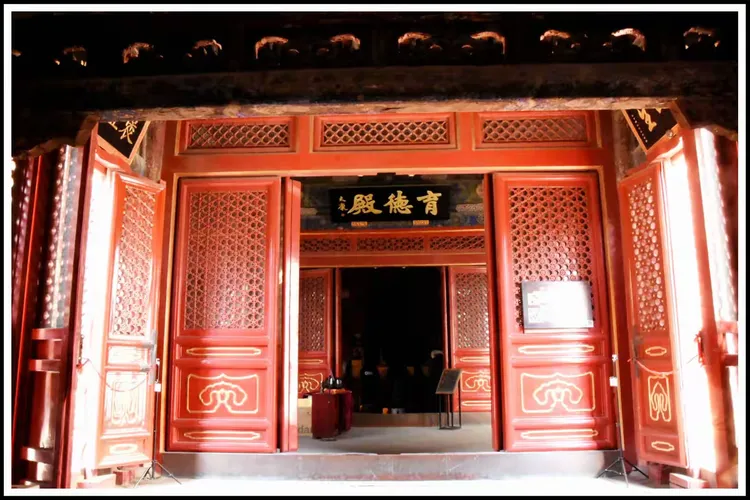
There are also the mountain gate, the Halberd Gate, and the Yude Hall, with side halls and corridors on the east and west. The most famous of these are the Seventy-Six Departments.
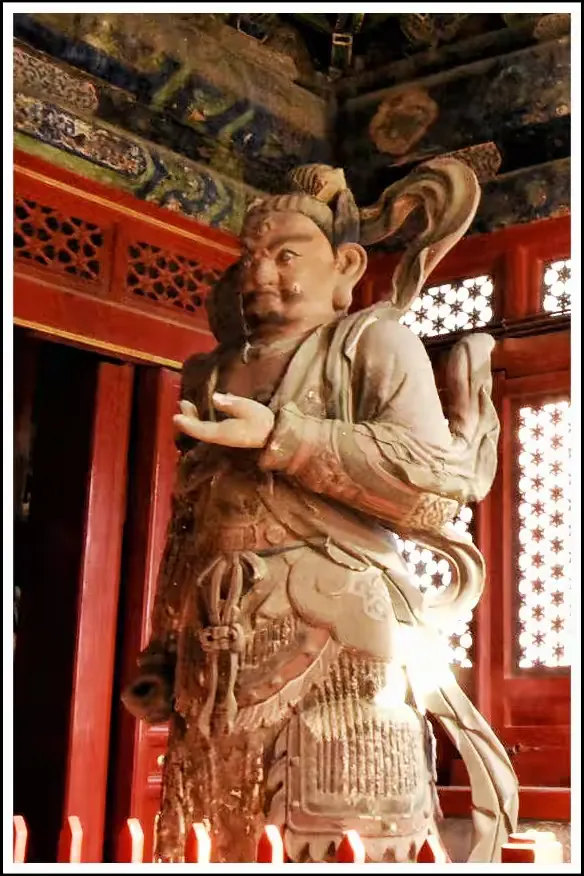
The Seventy-Six Departments: this is the most distinctive part of the Dongyue Temple. The corridors on the east and west enshrine the deities of seventy-six departments under the Great Emperor of the Eastern Peak that manage all kinds of human affairs, such as the Department of Swift Retribution, the Department of Accumulated Wealth, the Department of Reincarnation, and the Department of Hells. Each department has vivid clay statues of its deities, presenting the Taoist vision of the underworld and of every aspect of human life, with great artistic value and value for folklore research.
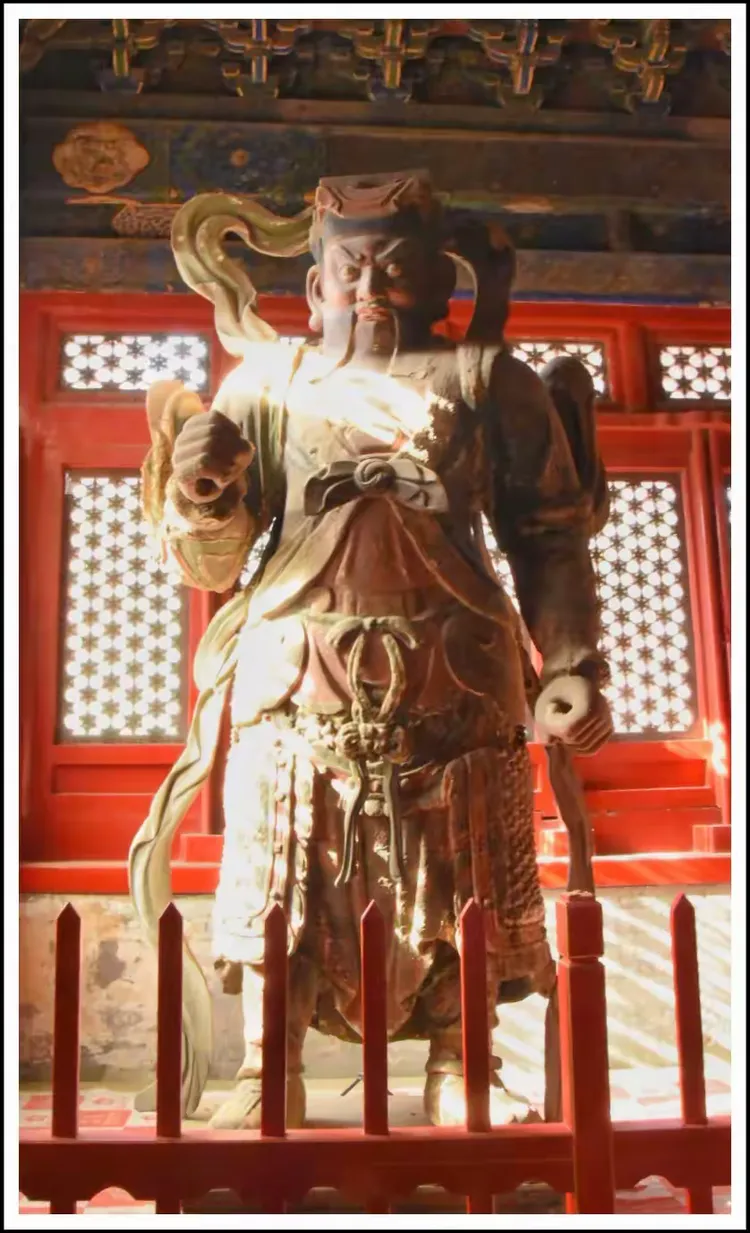
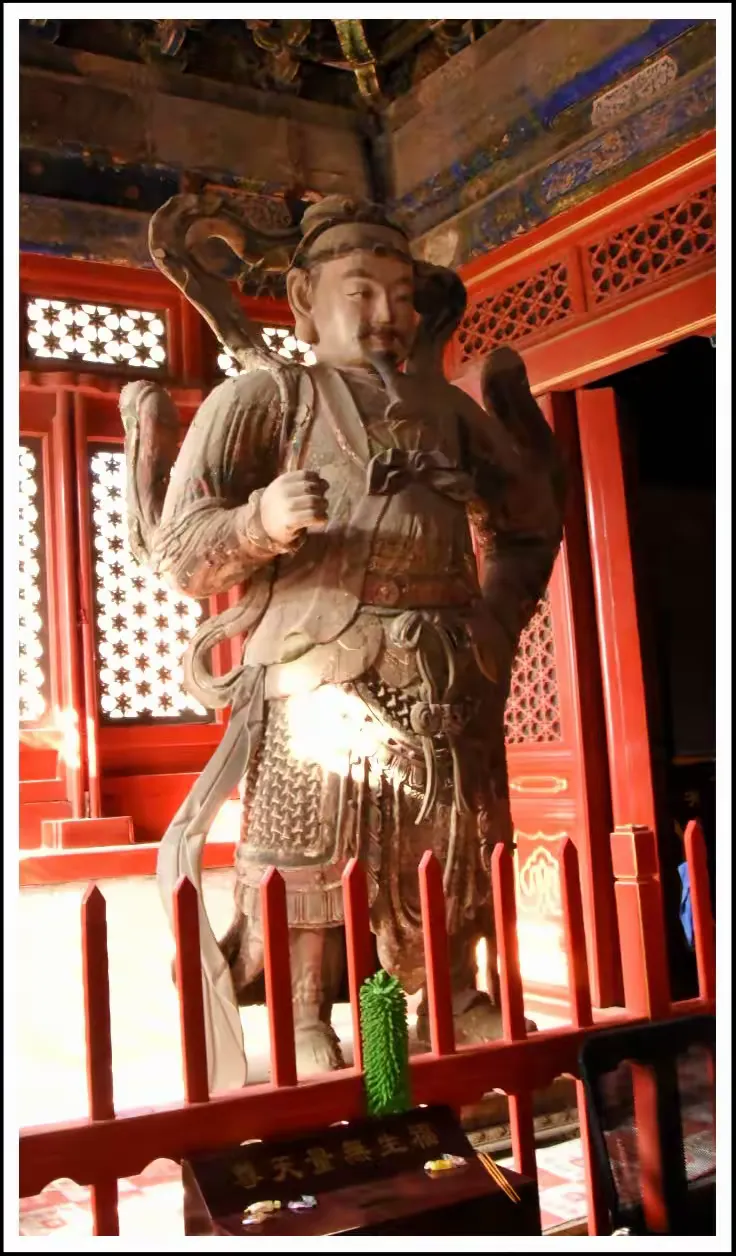
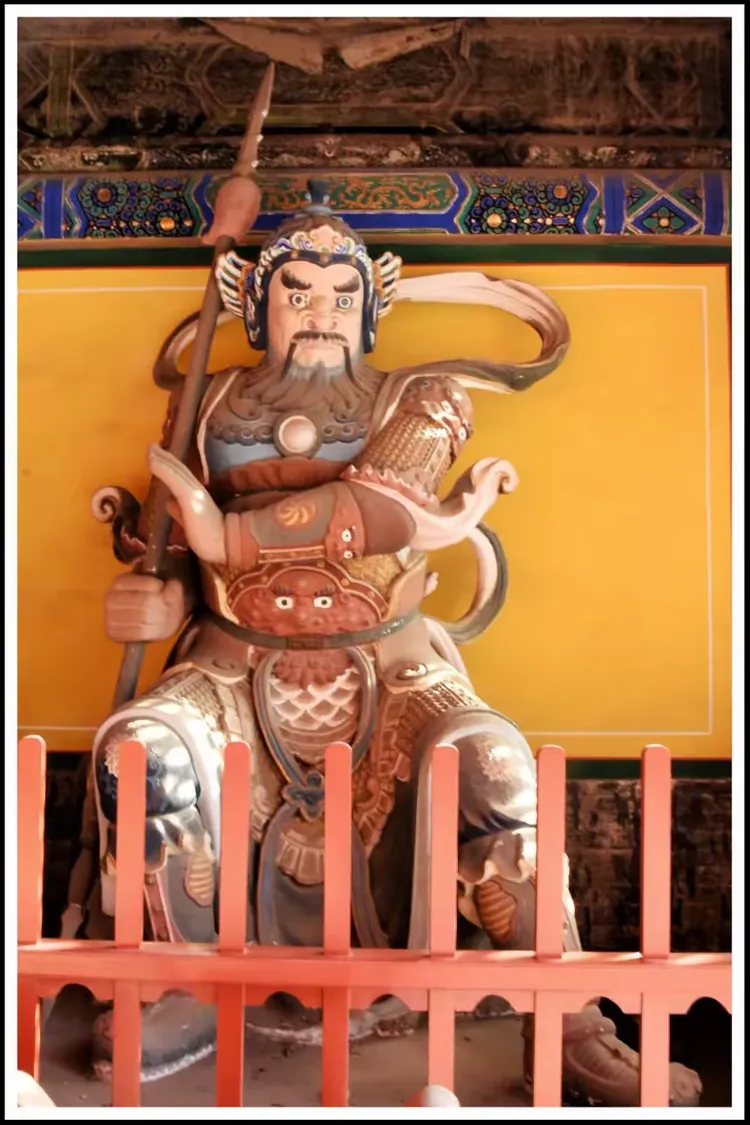
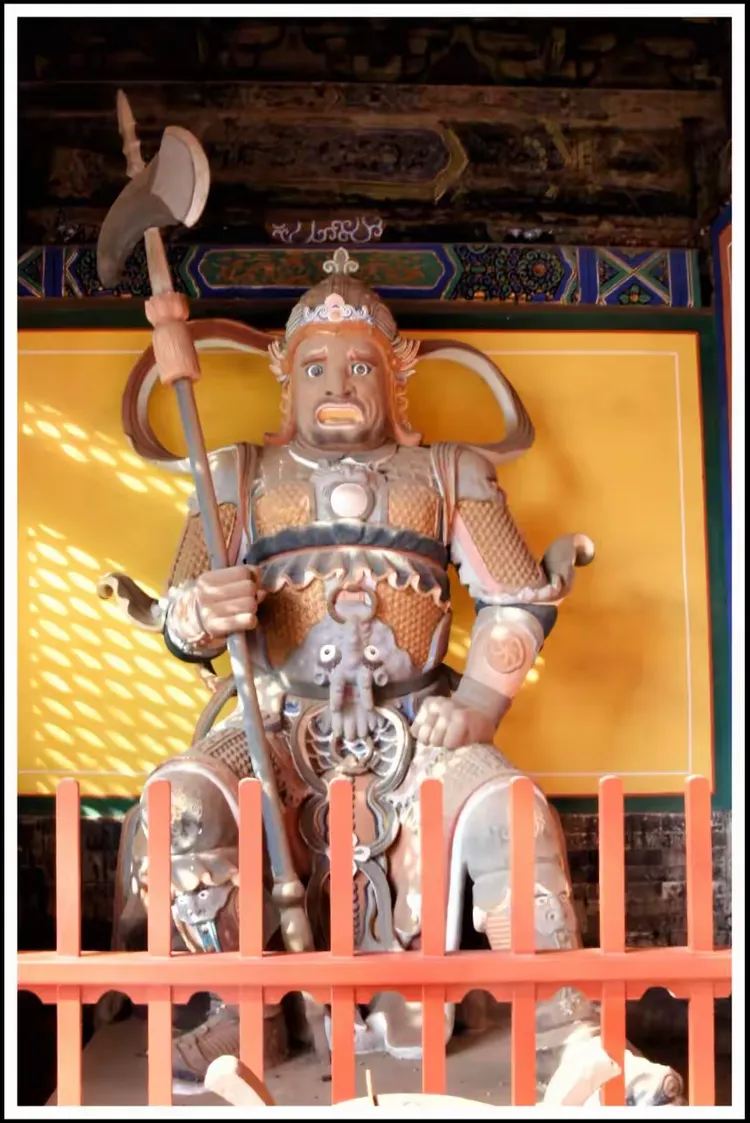
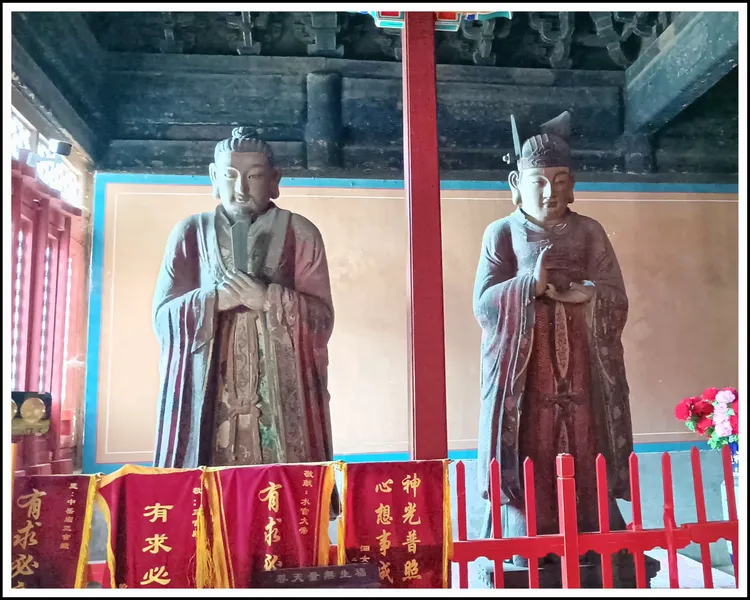
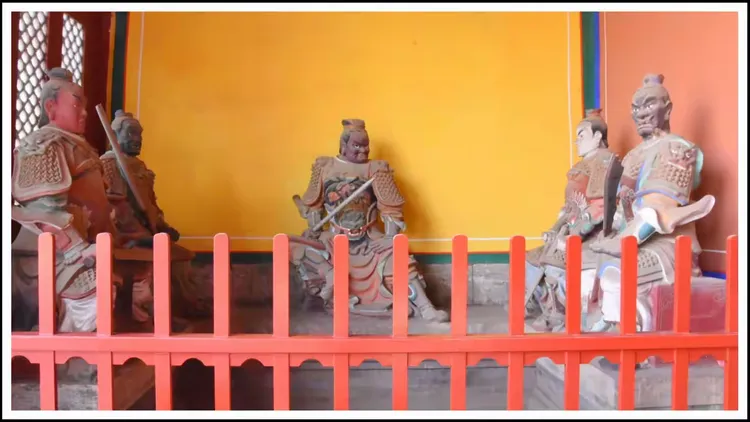
The forest of steles: the temple preserves a large number of steles from the Yuan, Ming, and Qing dynasties, among them many treasures, such as the Stele on the Taoist Conduct of Zhang Liusun (popularly called the Stele of Master Zhang) written by the Yuan calligrapher Zhao Mengfu, which have great value for calligraphic art and as historical sources.
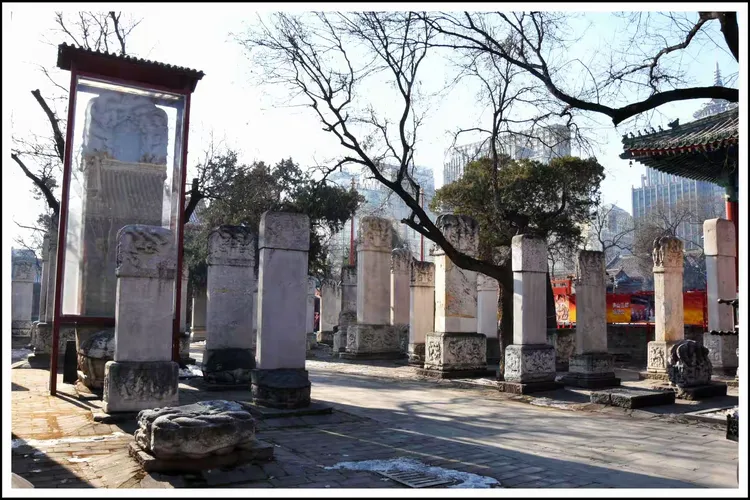
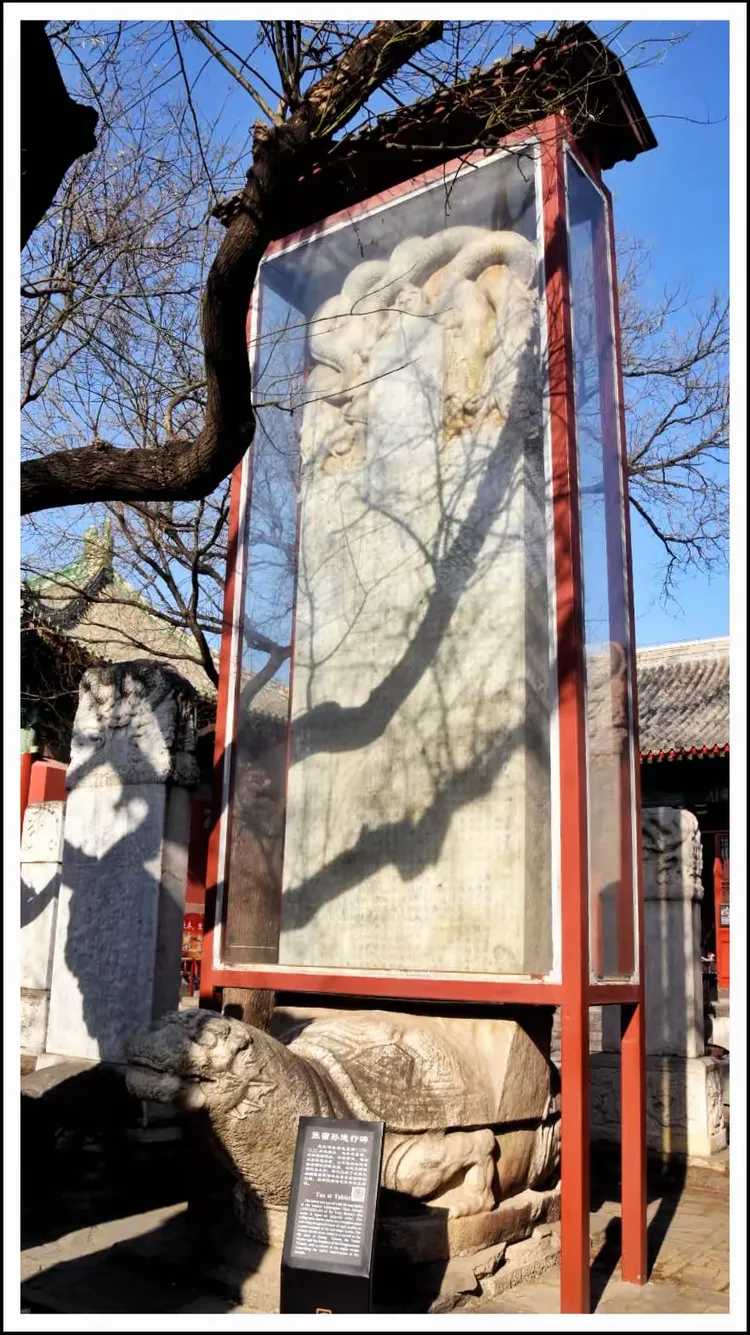
The Stele of Fortune, Emolument, Longevity, and Joy: a stele on which the four characters for “fortune, emolument, longevity, and joy” are ingeniously combined into one, a favorite photo spot for visitors.
The Dongyue Temple of Beijing is an important place for Taoist believers to carry out religious activities. Especially during some major Taoist festivals or the Dongyue Temple fair, it is thronged with incense offerings and attracts large numbers of Chinese and foreign visitors who come to learn about traditional Chinese culture and Taoist belief, and there one can feel a rich Taoist cultural atmosphere.
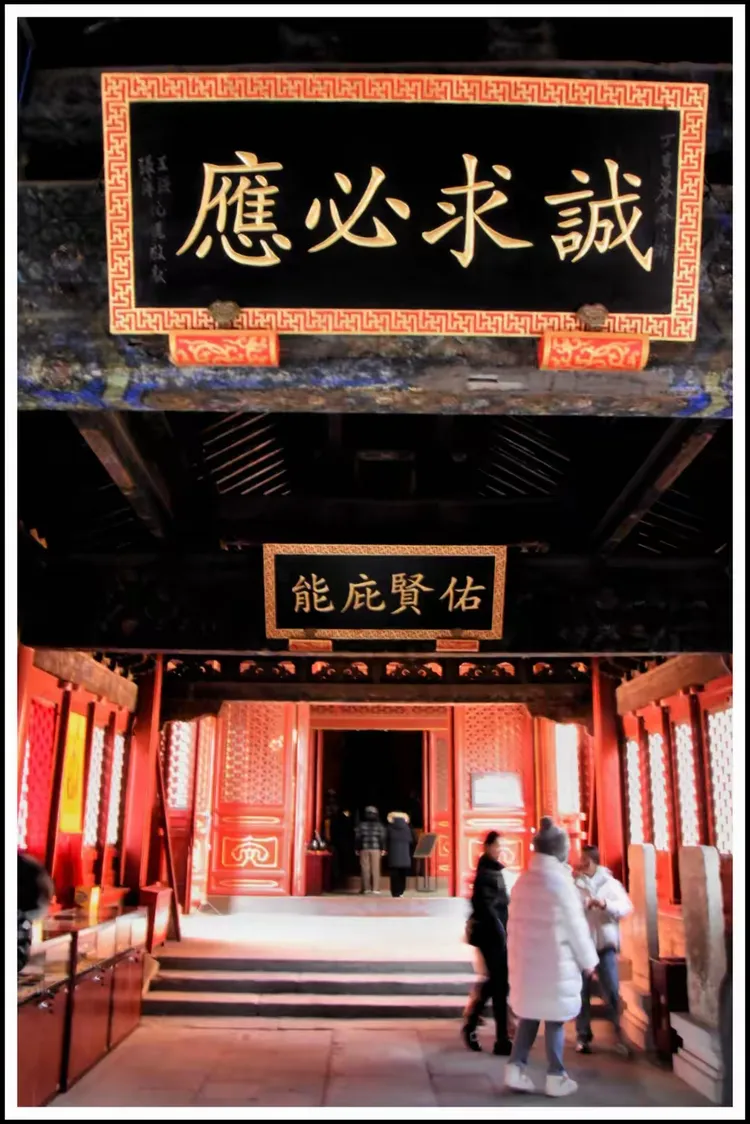
The Dongyue Temple of Beijing is now also the home of the Beijing Folk Custom Museum, which holds year-round exhibitions on Beijing folk culture, such as festival customs, rites of passage, and folk crafts.
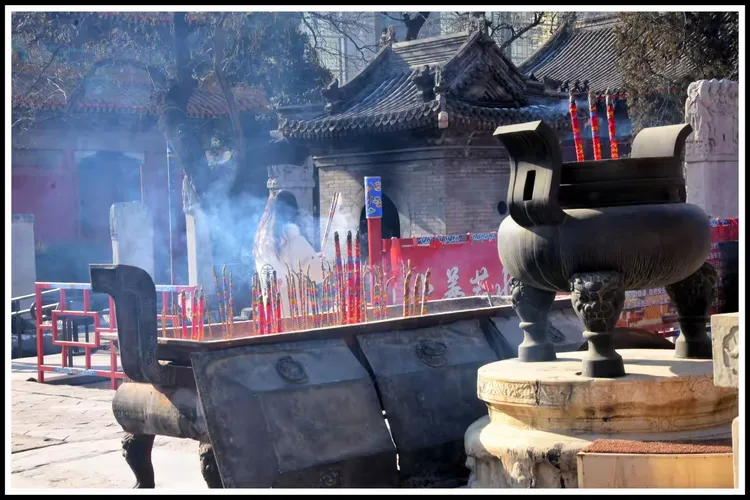
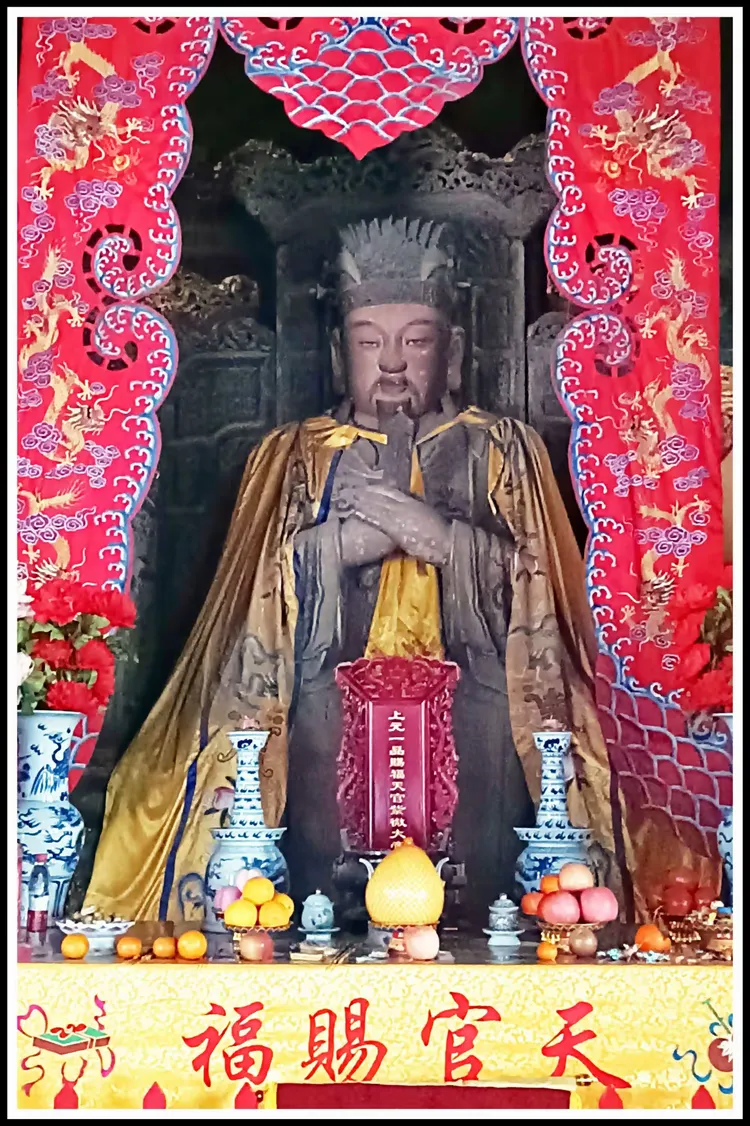
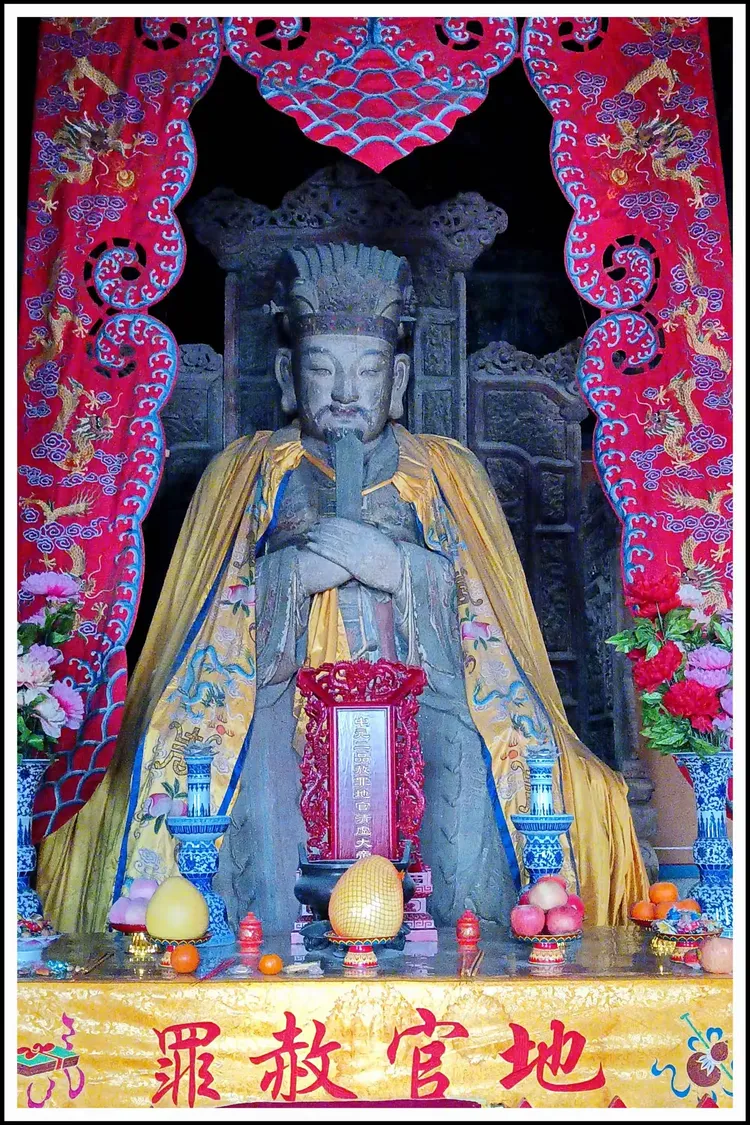
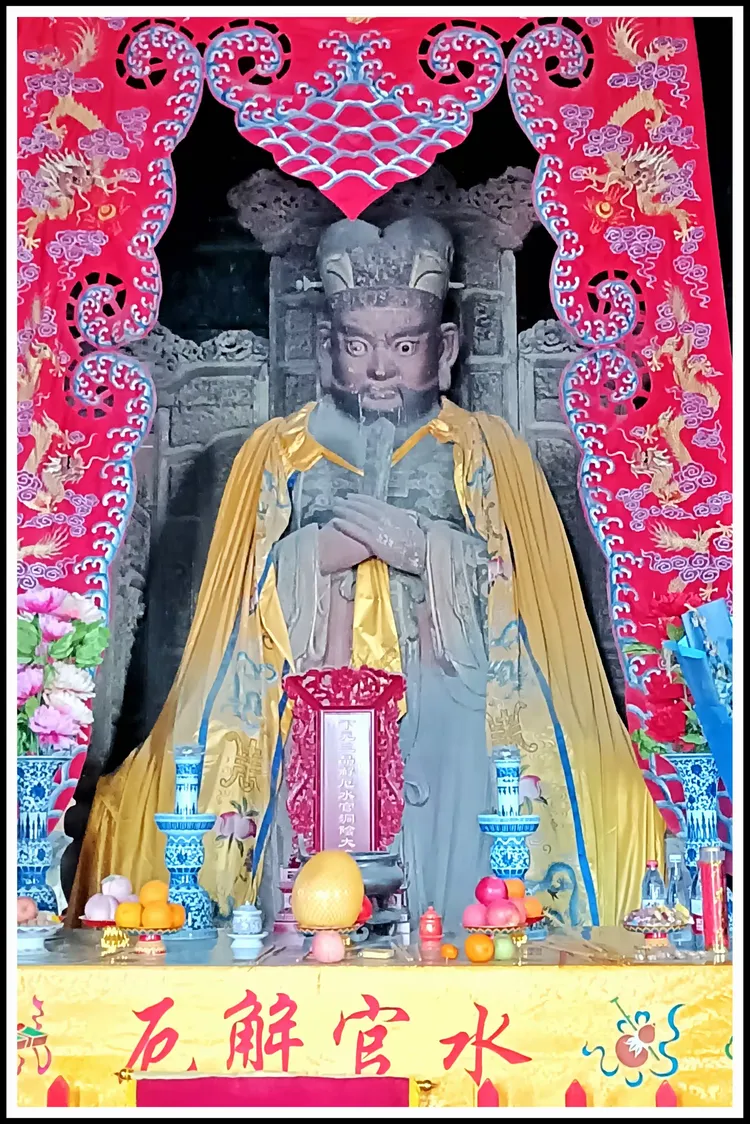
The Dongyue Temple of Beijing is not only a Taoist temple with a long history but also an important physical example for the study of ancient Chinese architecture, sculpture, calligraphy, and folk belief. If you are interested in traditional Chinese culture, Taoism, or Beijing folk customs, it is well worth a visit.