
Chiyang Daoren, Eastern Taoism
Recently a middle-school classmate called me for a chat. He said he had made a little money on the stock market and was planning to build a villa in his hometown. But building a house is easy; choosing the site is hard, because choosing a site for a house involves feng shui, and he knows only a smattering of feng shui.
Feng shui has a very long history in China. It is true that many people found everything going their way before they moved—a harmonious family, a smooth career—and then, after moving, ran into a whole heap of problems, with many worries and nothing going right. Recently another classmate, just six months after moving house, got into such a state that he and his wife were on the verge of divorce. Today I will tell you some feng shui knowledge that is necessary for the home.
1. The Front Door
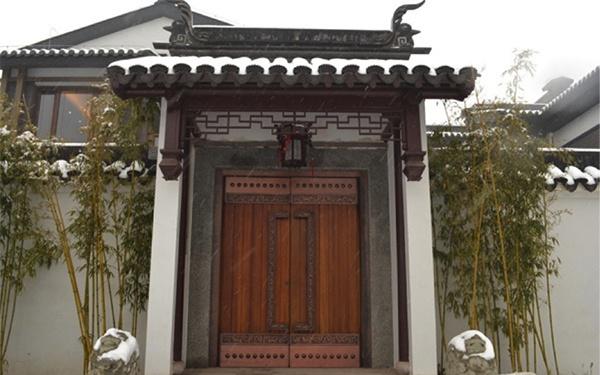
The front door of a home separates the family from society and is also the face of the home. A house is built on the ground, and qi enters through the doorway, just as the mouth and nose of a person are where one eats and breathes; its importance can well be imagined. So the direction of the door is the direction from which qi enters—is that direction auspicious or inauspicious, declining or prosperous? As for the design of your front door and room doors, the size of the door should be appropriate; too large or too small is not ideal. A large house with a small door is called “sealing off qi” and portends illness; a small house with a large door is called “leaking qi” and portends loss of wealth. Even setting aside whether one falls ill or loses money, such a house is uncomfortable to live in. Only with appropriate proportions is it an auspicious house.
2. Windows
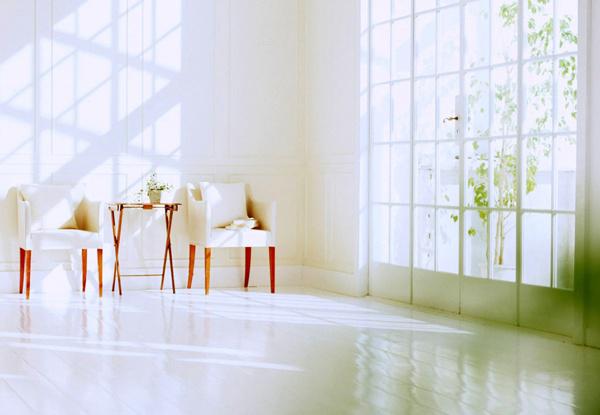
We often say that “the eyes are the windows of the soul.” To lose one's eyes is to lose all hope, and the windows of a house are like human eyes, playing an indispensable role in the home.
Air and sunlight are essentials on which human life depends. If one breathes stale air or stays in poorly lit surroundings for a long time, one easily falls ill or feels listless. So a house must have windows, but bigger windows are not necessarily better. The design of the windows must focus on cross-ventilation in the house—that is, windows should face each other, for example, one window each at opposite positions south and north, or east and west. Only then will the air in the house circulate and the occupants stay healthy and well.
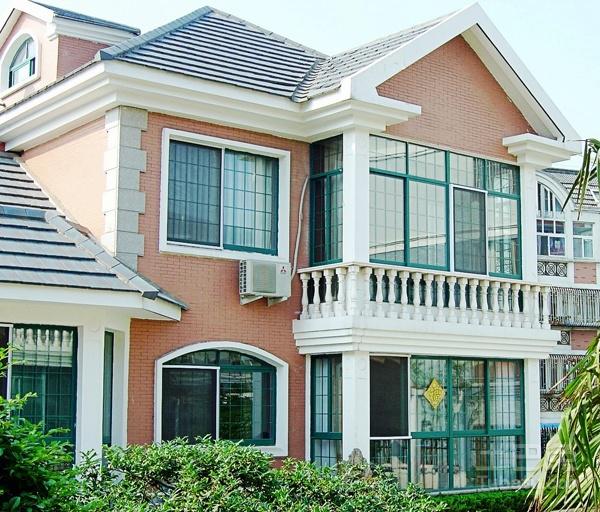
The relationship between doors and windows is like that between parents and children. The door (like the parents' mouth) must be larger than the windows (like the children's mouths); otherwise the children will be rebellious. The ratio of the number of windows to the number of doors also affects family harmony. Where one window is enough, three or more windows will cause discord in the family. Too many windows means the children criticize and quarrel with one another and even with their parents. If the windows are too large, there will also be unrest in the family, because the children will not listen to their parents. A large window divided into small panes or fitted with a single sheet of glass is auspicious.
3. The Living Room
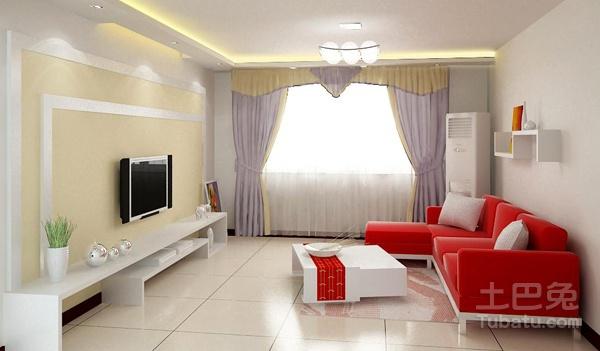
All doors should open from the left. As the saying goes, “Azure Dragon on the left, White Tiger on the right”: the Azure Dragon on the left should move and the White Tiger on the right should be still. So it is auspicious for all doors to open from the left; that is, facing outward from inside, the door handle should be on the left. If doors open the wrong way round, it easily leads to family disputes.
The front door must not directly face an elevator, and it must not be in a straight line with a window, back door, or toilet. In an apartment building, the front door must not directly face the elevator door; facing it directly creates a clash that is bad for wealth luck, and the occupants easily fall ill.
Doors and windows are the openings through which qi enters and leaves the house. The front door must not form a straight line with a window or back door, creating a front and back door that run straight through, so that the qi passes straight through the hall and out without gathering in the house. Wealth then cannot accumulate, which is why this is called losing wealth.
The toilet is a space for excretion and by nature is not clean, so the front door should not directly face the toilet either. A front door directly facing a toilet leads to mistakes in managing money and investments, so that money comes in and goes out again, harming the family's wealth luck.
The living-room floor should be level and should not have too many steps or differences in height. Some living rooms use a split-level design that divides areas by height, so that the floor changes markedly in level; the family's fortunes will then have many ups and downs, following the rise and fall of the floor.
4. The Kitchen
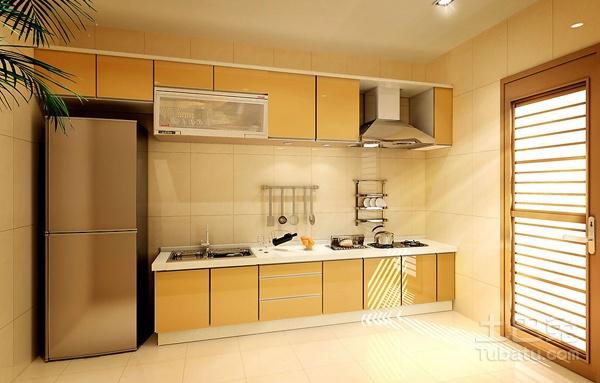
The kitchen is where the family's food and livelihood reside. The stove is the source of the family's three meals a day, and feng shui stresses that “food is livelihood,” meaning the stove is where the family's wealth resides. The stove must not be exposed to a direct draft, because when the wind blows straight on it, the fire easily goes out and the qi of wealth cannot be kept. So it should neither directly face a doorway nor have its back to a window; otherwise it easily leads to financial difficulties.
The kitchen door must not face the front door. The kitchen is where the family's wealth resides, and the front door is the entrance of qi, where family and friends come and go. When the front door directly faces the kitchen door, the kitchen is fully exposed to view from outside and the qi of wealth is laid bare, leading to financial difficulties for the family.
The kitchen must not face the toilet. The kitchen is where food is cooked, while the toilet easily breeds bacteria and filth; if the two face each other, hygiene suffers and the family's health is harmed.
5. The Toilet
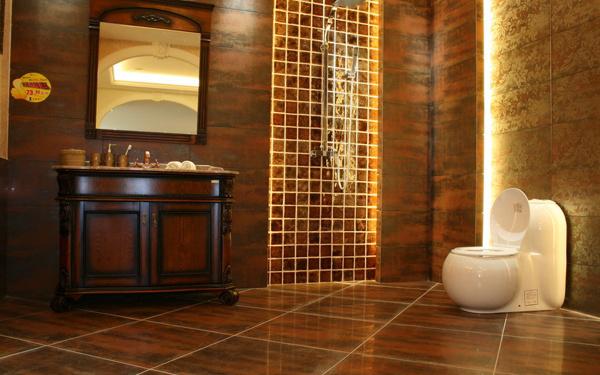
The toilet and the septic tank are two different things and must not be confused. In ancient times, toilets were rather unhygienic and smelly, so they could not be placed upwind. Modern toilets are more hygienic, so their location is not restricted. There is no prescribed direction for the toilet bowl; the principle is convenience of use. Insisting on a particular direction for the toilet bowl is ignorant.
The toilet door must not directly face the front entrance (a picture of a smiling face can be put on the toilet door); otherwise there will be many quarrels and troubles and the career will not go smoothly.
The toilet door must not directly face the stove, or the housewife will be uneasy; a screen can be used to improve this. The toilet door must not directly face a bedroom door, or the occupant will often be ill.
The toilet door must not point at the bed, or there will be aches in the back and waist (pointing at the head causes headaches, at the waist backaches, at the feet foot pain).
The toilet door must not point at a desk or work desk, or one will be unsettled when sitting there. The toilet door must not point at a shrine to the gods or the ancestors, or one will offend petty people. It does no harm if the toilet door directly faces the corridor on the second or third floor.
The toilet door must not point at the safe, or wealth will easily be drained. The toilet is best placed on the White Tiger side of the home.
Do not put the toilet behind a shrine, and above all the toilet bowl must not be behind a shrine. The toilet bowl must not covertly point at the stove.
6. The Bedroom
Sheets and quilt covers with large flowers mostly lead to giving birth to girls. If they have dragons and phoenixes, these should face up toward the sky; otherwise one will feel oppressed.
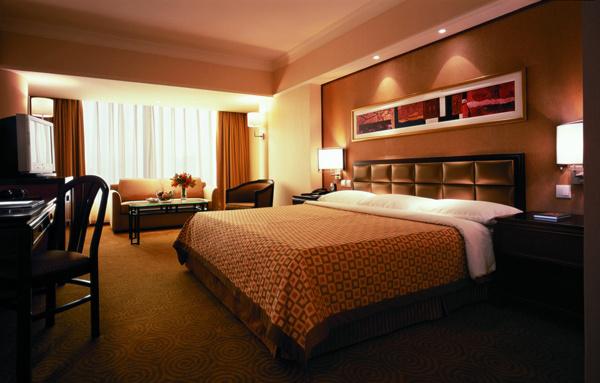
It is best for the bedroom to be quiet and well ventilated (if the light is too dim, the lamp should be lit during the day).
Never paint the inside of the bedroom pink. It causes nervous exhaustion and many quarrels between husband and wife, and more than a few tragedies have resulted from this.
The light in the bedroom should be bright, not dark; only then will one be in a happy mood.
The air in the bedroom should be allowed to circulate; only then will one be healthy.
Well, having read so much introductory knowledge of home feng shui, you should now have a new understanding of it. In fact, all this is only the surface. Chinese feng shui is not only an expression of the ecology of the home environment; it also incorporates sensory and psychological factors. Feng shui is a broad and profound field of learning. I hope that you will apply it flexibly in real life, but without becoming obsessed with the good or bad, auspicious or inauspicious, of any single feng shui point—because what shapes a person's life is not feng shui but one's own will and a good heart.